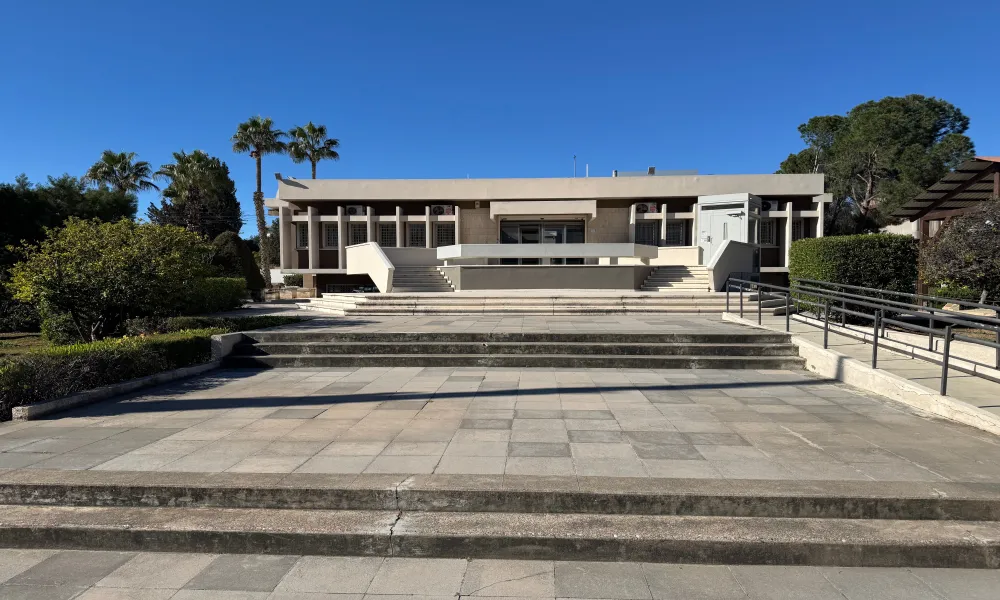
The long-discussed project to upgrade the Limassol Archaeological Museum appears to be moving forward, with political decisions now in place and procedures expected to advance within the year. At a high-level meeting held last Tuesday, involving all key stakeholders, officials reaffirmed their intention to proceed, with the launch of an international architectural competition anticipated before the end of 2026.
The meeting was attended by the Minister of Transport, the Deputy Minister of Culture, the Mayor of Limassol, and the Directors of the Department of Antiquities and the Public Works Department. While the project falls under the Deputy Ministry of Culture, the Ministry of Transport is providing technical support to facilitate procedures.
Radical renovation and expansion
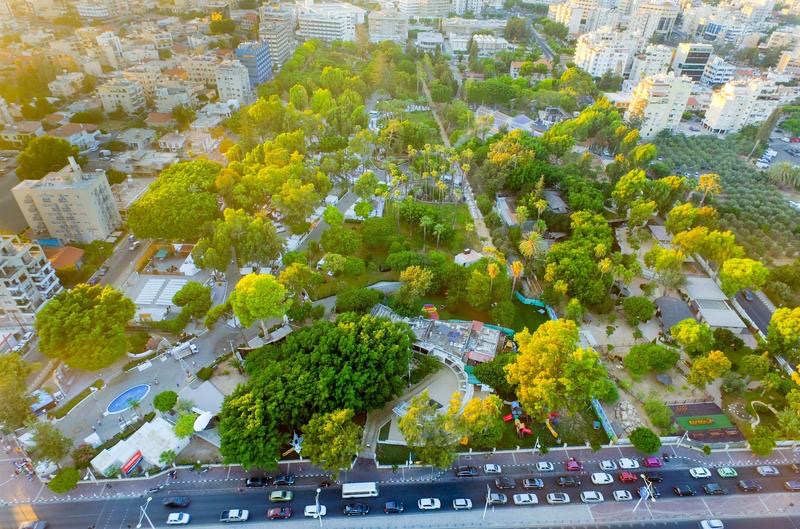
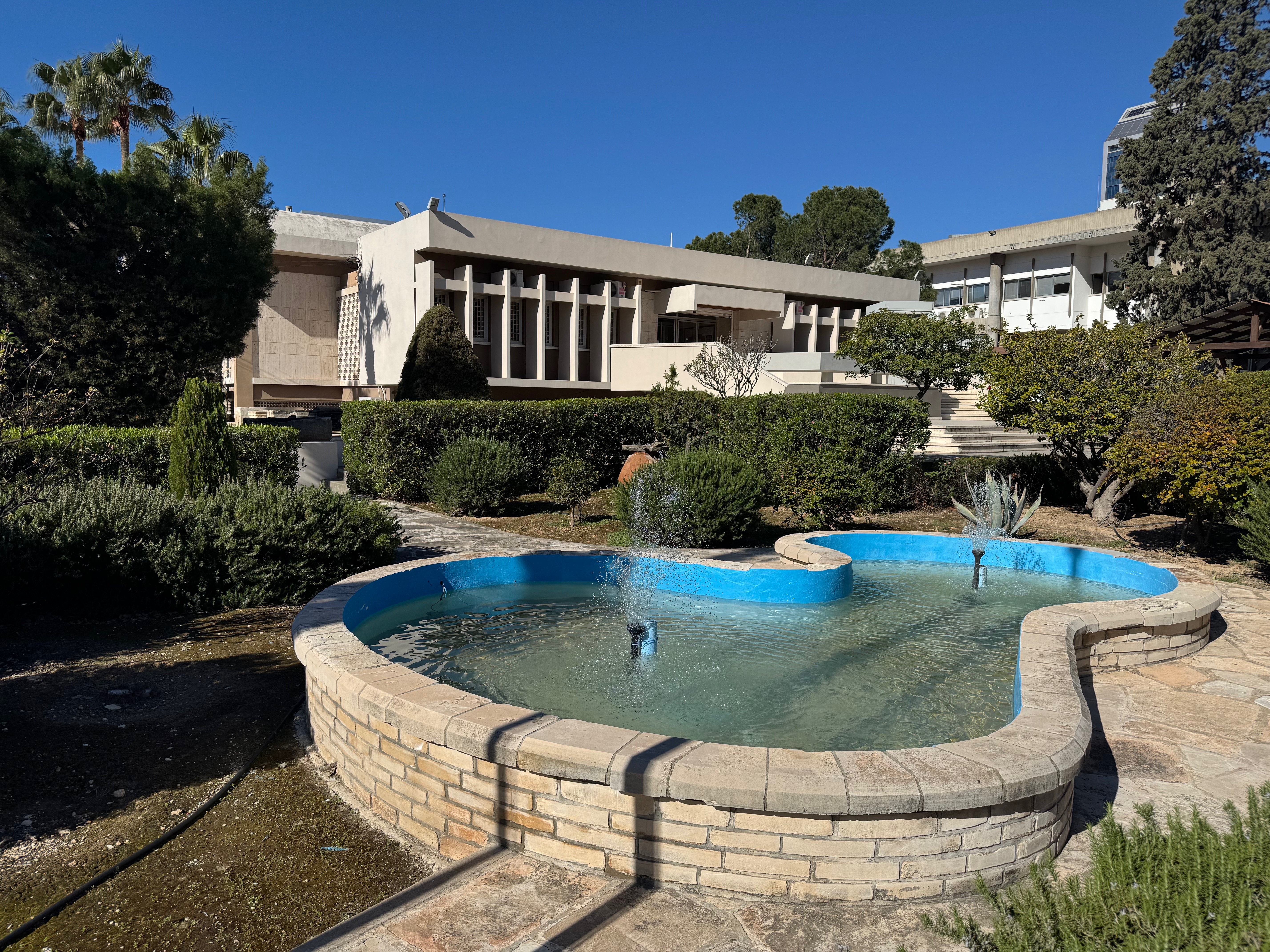
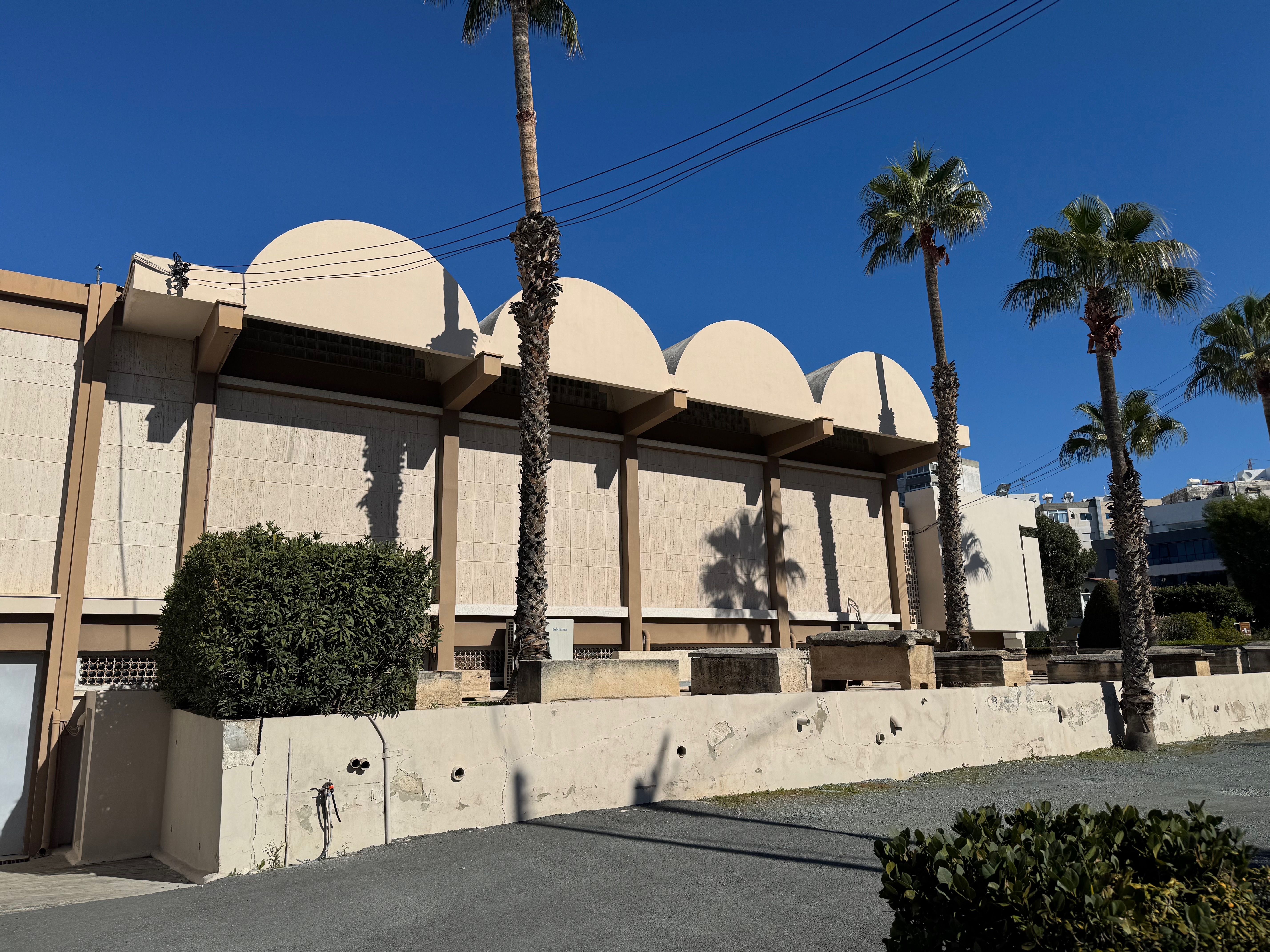
The proposal centres on the comprehensive renovation and extension of the existing museum through its connection to the Limassol Public Garden, transforming it into a new landmark building for the city. Part of the current structure was declared a listed building last summer as an important example of Cypriot modernism. The museum was originally designed in 1972 by architect Hector Stylianides.
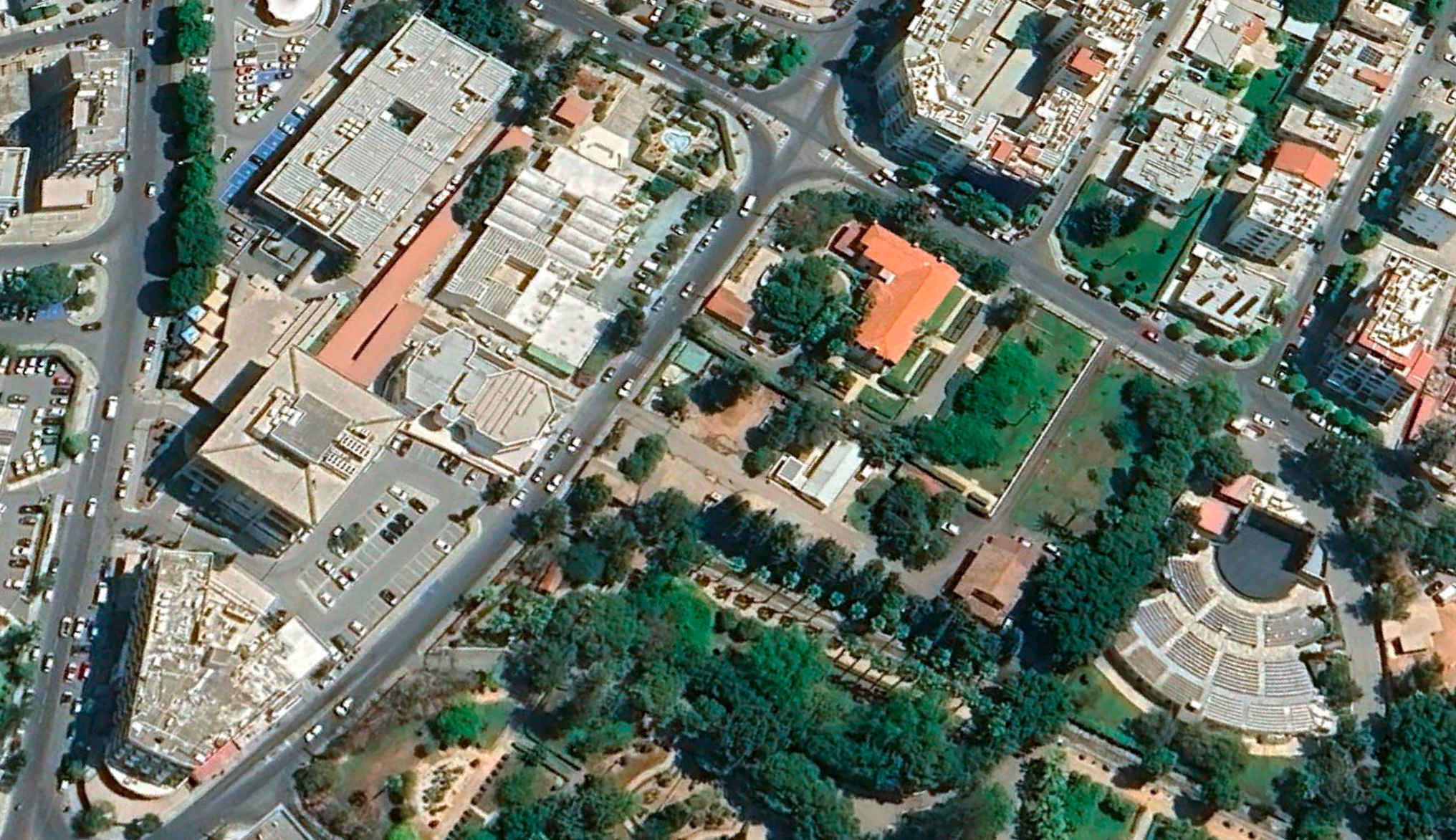
Under the emerging planning framework, the listed section will be preserved, while a substantial portion of the existing building is expected to be demolished to make way for new construction. One preliminary concept, subject to the outcome of the competition, envisages a bridge-building over Anastasi Sioukri Street, effectively converting the roadway and adjacent spaces into a multifunctional public square with covered open areas.
The Municipality of Limassol has agreed to allocate the plot directly opposite the museum, currently used by the municipal green services for vehicle parking. This development addresses one of the main obstacles to the museum’s expansion, namely the lack of available space.
The competition is also expected to include the creation of a public square on the southern side, linking the museum with the Patticheio Historical Archive and Research Centre of the Municipality, known as the former District Officer’s residence. A broader objective is to connect the new archaeological museum to the seafront, with a new entrance through the Public Garden. The exact parameters will be defined by the international competition, based on requirements set by the Deputy Ministry, the Municipality, the Public Works Department and the Department of Antiquities. If structured as a single-phase competition, the process could be completed within six months of its announcement.
Building programme nearing completion
The Minister has instructed the Department of Antiquities to promptly finalise preliminary studies outlining the building programme and spatial needs. This includes exhibition areas for antiquities, auxiliary spaces such as laboratories and storage facilities, as well as visitor amenities that may include a café-restaurant or event space. Early museological planning will also determine the scope and presentation of exhibits.
The Municipality will contribute architectural drawings and surveys of the existing building, along with plans for the southern extension. Preliminary estimates suggest that a new structure of approximately 5,000 to 6,000 square metres will be required, alongside expanded external public spaces and plazas.
While costs will depend on final design and spatial requirements, early assessments indicate a budget in the region of €50 million. With the completion of the Cyprus Museum in Nicosia expected in 2027, there is scope for the Limassol Archaeological Museum to be prioritised within the Deputy Ministry of Culture’s budget. The need for expanded exhibition and storage capacity has long been acknowledged, as the current museum faces severe spatial constraints.
Toward a “Museum Neighbourhood”
Beyond the museum itself, the Municipality envisions the creation of a broader “museum neighbourhood” on the eastern side of the city centre. The area already hosts the Municipal Art Gallery, the GSΟ complex with the under-construction Sports Museum, the Papadopoulos House earmarked for a city museum, the Fytidou House slated for cultural use, and the Panos Solomonides Cultural Centre, home to the Cyprus Theatre Museum and the Limassol Carnival Museum. The iconic Municipal Library and the Folk Art Museum are also located nearby.
The aim is to unify these sites into a cohesive cultural corridor with improved connectivity and accessibility. Several architecturally significant buildings in the area have already been declared listed, including the Tourist Pavilion within the Public Garden, the former Convent School and the District Courts, allowing for their integration into the proposed cultural route.
Separately, the Municipality is advancing plans for the Public Garden itself. A public consultation is currently underway on proposals to close the zoo and transform the site into a Biodiversity and Urban Environment Centre. These changes will form part of a broader master plan for the Public Garden, which remains in preparation.
This article was first published on Politis' cultural page Parathyro