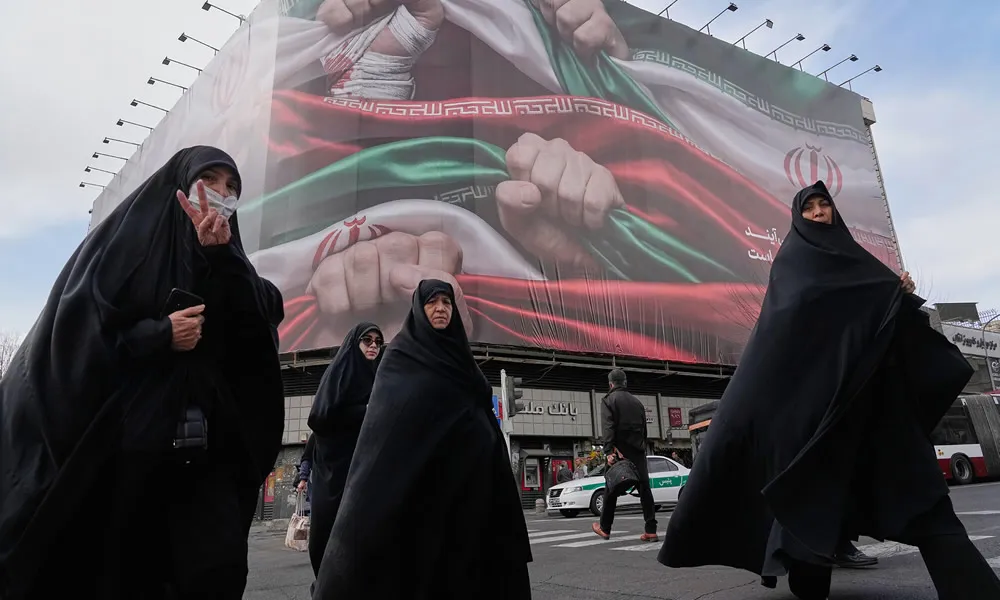
On the 27th of May, three months since the inital attacks launched by the US and Israel, developments across multiple fronts converged to produce the most complex single day of the conflict so far: a draft framework for a US-Iran memorandum of understanding, intensifying Israeli strikes in Lebanon, the killing of a senior Hamas commander in Gaza, and the partial restoration of Iran's internet after 88 days of blackout.
A draft deal, with conditions
Iran's state television reported on Wednesday that Tehran has obtained a draft of an initial, unofficial framework for a memorandum of understanding with the United States. Under the proposed terms, Iran would restore commercial shipping through the Strait of Hormuz to pre-war levels within a month, while the United States would withdraw military forces from Iran's vicinity and lift a naval blockade on Iranian ports. The framework envisages Iran managing ship traffic through the strait in cooperation with Oman, excludes military vessels, and is not yet finalised. Tehran said it would take no steps without "tangible verification." If a final agreement is reached within 60 days, it could be approved as a binding UN Security Council resolution.
The gaps remain significant. While Trump wants Iran to renounce nuclear ambitions before any final deal, Iran wants a permanent end to the war first, alongside sanctions relief. On Tuesday, the situation deteriorated sharply: US forces attacked Iranian boats and launch sites in what Washington described as self-defence strikes, after Iran deployed mine-laying boats in the strait and flew attack drones near American ships. Iran's Revolutionary Guard vowed a "decisive reciprocal response" and Supreme Leader Mojtaba Khamenei suggested the country could resume strikes on US military installations in the Gulf. By Wednesday morning, no resumption had taken place. The Trump administration is expected to hold a full cabinet meeting on Wednesday with Iran on the agenda.
Strikes intensify as diplomacy stalls
Israeli forces pounded southern Lebanon on Wednesday, the latest escalation in a campaign against Hezbollah that killed at least 31 people in the previous 24 hours, including children, according to Lebanon's health ministry. The Israeli military said it struck more than 150 Hezbollah sites overnight and issued evacuation warnings for the entire city of Nabatieh. In the town of Baysarieh, residents climbed onto rooftops to watch plumes of smoke rising from nearby areas as warplanes circled and artillery shelling punctuated the morning. "They are getting closer and closer every day," said one resident, Hanan Khalil. The streets were unusually quiet, the first day of Eid marking not celebration but anxiety.
The war in Lebanon began in March, when Hezbollah opened fire across the border in support of Iran. A US-brokered ceasefire took effect in April but has not held. More than 3,200 people have been killed since. The intensification of fighting is a direct complication for the US-Iran talks: Iranian officials have said any deal would end fighting on all fronts, while Netanyahu has publicly suggested Israel would retain the right to act against Hezbollah regardless of any agreement, citing conversations with Trump. The two positions are not easily reconciled.
Israeli forces said on Wednesday they had killed Mohammed Odeh, the recently appointed leader of Hamas's military wing, in an airstrike in northern Gaza on Tuesday, less than two weeks after Israel said it had killed his predecessor. Israeli officials described Odeh as among the last surviving senior Hamas planners of the 7 October attack.
88 days in the dark
After what monitoring groups described as the longest nationwide internet shutdown in modern history, Iran's government appeared on Wednesday to be restoring partial access for its population of roughly 90 million. Iranians had been confined for 88 days to a state-controlled domestic internet of government-approved platforms, with independent news and foreign communication tools blocked entirely. Businesses estimated losses of up to $80 million a day. "The worst part was reading all this news you don't trust, with a controlled narrative, and being in a complete information black hole," said one Tehran resident. The restoration remains partial and contested, with a court moving to halt the process even as the president's working group pressed ahead.
Sources: Reuters, The New York Times, NPR, Axios