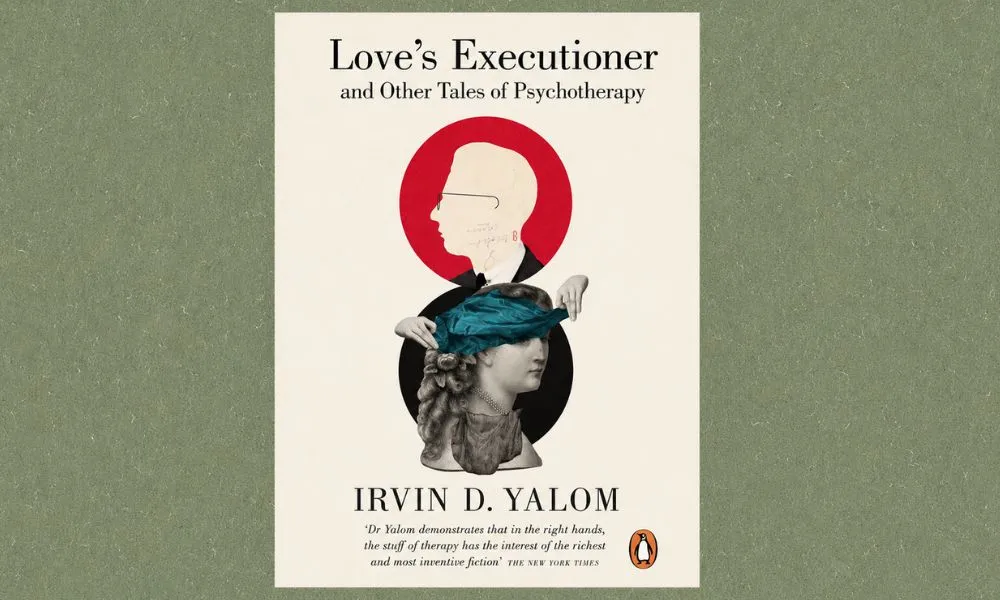

I read this book during my training in psychotherapy, and it genuinely reshaped how I understand human relationships. Not in a dramatic or immediate way, but in how it changed the way I think about people, connection, and the stories we hold on to; sometimes without even realising it.
The ten stories are raw, layered, and deeply human. They don’t try to resolve things neatly, which is probably why they feel so real. You sit with people who are uncertain, defensive, hopeful, sometimes all at once. People who hold on to something, a memory, a relationship, an idea, because letting go would mean facing something else underneath. Yalom doesn’t rush that process. He stays with it, even when it’s uncomfortable.
The story that stayed with me most was the first. It showed me how two people can move through the same relationship and come away with entirely different truths. There isn’t one shared version, only parallel experiences that don’t always meet. What one person experiences as something meaningful, the other may have already left behind. Seeing that laid out so clearly changed how I think about attachment, memory, and what people carry forward from their relationships.
Something else that stood out to me is how much of what we present on the surface is often protecting something deeper. Obsession, avoidance, even hope; they don’t appear randomly. They serve a purpose. Yalom doesn’t try to strip that away too quickly. Instead, he approaches it with curiosity, trying to understand what the person is holding on to and why.
What I appreciate about Yalom is how present he is in the work. He’s curious, conflicted, and at times a little judgmental, which I appreciate. It never feels like he’s trying to be neutral or detached. You see him reacting, questioning himself, at times struggling with his own responses to the person sitting across from him. It made it clear that being human in the therapy room isn’t something to correct or hide. It’s part of the process. It shapes the interaction in ways that can either block connection or deepen it.
If you’re curious about therapy, this book is a good place to start. Not because it explains everything, but because it shows what it actually looks like when two people sit together and try to make sense of something difficult.
I find myself recommending it to people well outside the field because at its core, it isn’t just about therapy. It’s about presence and what it means to sit with another person’s pain without immediately trying to fix it, or turn away from it.