
The employers’ organisations OEB (Federation of Employers and Industrialists) and KEVE (Cyprus Chamber of Commerce and Industry) have rejected the government’s draft agreement on the Cost of Living Allowance (CoLA), describing it as unsatisfactory in key provisions.
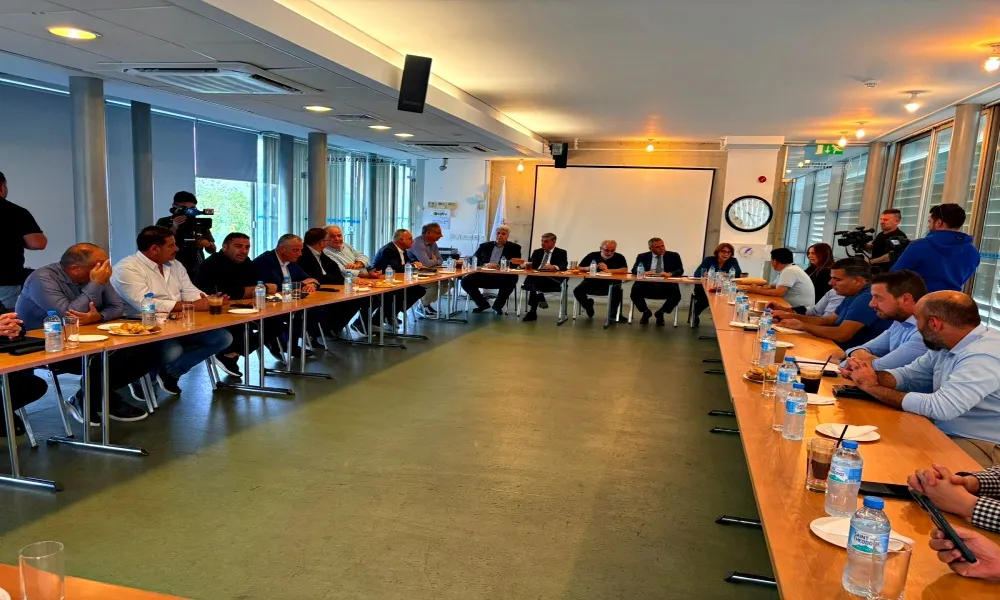
According to a joint communiqué issued on Wednesday, the Executive Committees of OEB and KEVE met in a joint session to examine the draft “Permanent Agreement on CoLA” submitted by the government the previous day.
Following an extensive and in-depth exchange of views, both bodies concluded that the draft, as presented, could not be accepted or signed due to significant shortcomings.
Minimum wage sticking point
The two organisations reaffirmed their genuine intention to reach a permanent agreement on CoLA, emphasising their acceptance of the need for 100% coverage for low-income earners eligible for the allowance. At the same time, they underlined the importance of incorporating safeguards and conditions into the system’s operation to modernise it while ensuring business competitiveness and the sustainability of the public payroll.
A key point of contention lies in the provisions concerning the National Minimum Wage. The employers argue that these provisions fall outside the transitional agreements of 2017 and 2023 and cannot be accepted in their current form. They note, however, that their side has consistently recognised under the existing decree the inclusion of CoLA in the biennially determined minimum wage.
What proved decisive in the employers’ final rejection was a last-minute addition by the government, calling on the employers to authorise the Ministers of Finance and Labour to “implement measures extending CoLA to additional beneficiaries”.
Despite their objections, OEB and KEVE stressed that they remain committed to the negotiation process and continue to participate in talks with the aim of reaching a mutually acceptable agreement.
Trade unions say 'yes'
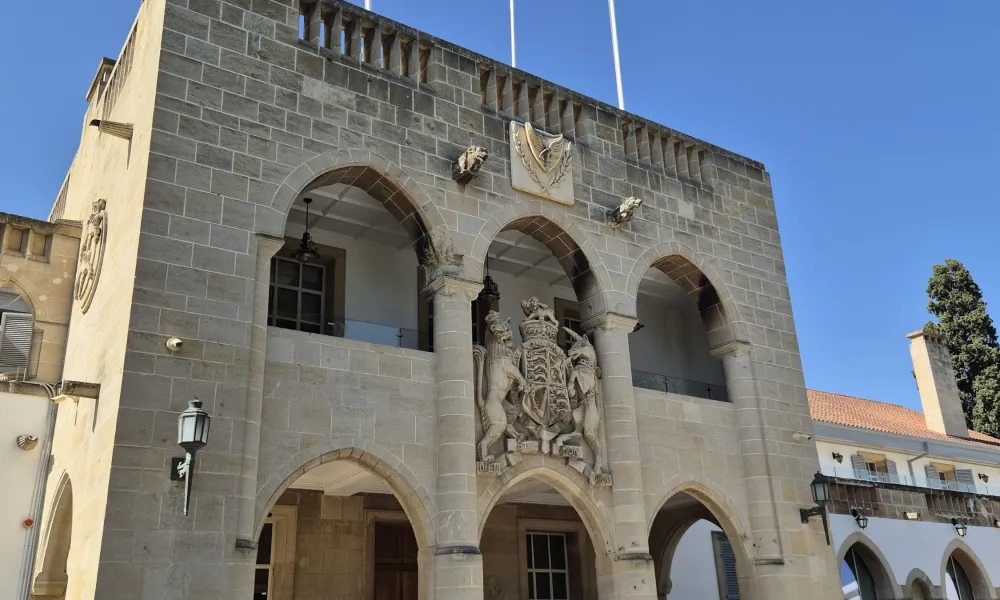
Earlier in the day, a joint meeting of trade unions held at the Journalists’ House announced its acceptance of the government’s proposed draft for a permanent COLA agreement, presented during the meeting at the Presidential Palace on 3 November 2025.
In their statement, the unions said: “For months, the trade union movement has been engaged in a difficult struggle to defend, preserve, and extend the institution of CoLA. The fifth joint union meeting expresses its satisfaction with the overall handling of the issue by the negotiating team. We now have before us a draft permanent agreement proposed by the government at the Presidential Palace on 3 November.
"The trade union movement, with prudence and a spirit of cooperation, has accepted the government’s proposal as is, without a single change. In order to secure a permanent arrangement for the protection of the institution, the unions have made concessions to facilitate a solution. We hope that the employers’ side will show a similar spirit. The government’s contribution has been decisive, and we thank it for that.”
On Sunday evening, the employers’ organisations met with President Nikos Christodoulides to discuss the framework agreed during Friday’s joint meeting with the Ministers of Finance and Labour and Social Insurance.
According to that framework, the government proposed a gradual restoration of CoLA to 100% for all eligible employees within 18 months, without tiered adjustments, and its annual incorporation into the minimum wage. The proposal also includes a 4% inflation ceiling as the maximum rate of adjustment. COLA would be granted once a year, provided that the annual percentage change in real GDP in the previous year is positive.