Chocolate, as we know it, may not be guaranteed forever. Scientists increasingly warn that climate change is pushing cocoa to its limits, threatening one of the world’s most beloved foods. As extreme weather disrupts harvests and prices surge, researchers are now looking toward an unlikely saviour: carob.
For Cyprus, this shift feels less like innovation and more like a return to something familiar.
Cocoa under pressure from a warming planet
Around 60 per cent of the world’s cocoa is produced in West Africa, primarily in Côte d’Ivoire and Ghana. Cocoa thrives in humid environments where warmth and rainfall are carefully balanced. That balance, however, is rapidly breaking down.
Over the past two years, global cocoa production has fallen by as much as 40 per cent, sending chocolate prices to levels not seen since the 1970s. Some projections warn that, without intervention, cocoa could become scarce by 2050.
While illegal mining, ageing trees and smuggling have all played a role, climate researchers increasingly point to extreme and erratic rainfall as the main driver of the crisis.
According to the Salata Institute for Climate and Sustainability at Harvard University, rising global temperatures are intensifying rainfall events. For every 1°C increase in air temperature, the atmosphere can hold around seven per cent more moisture, leading to heavier downpours.
These conditions cause waterlogging, soil erosion and fungal diseases, all of which are devastating for cocoa trees.
A Mediterranean answer to a global problem
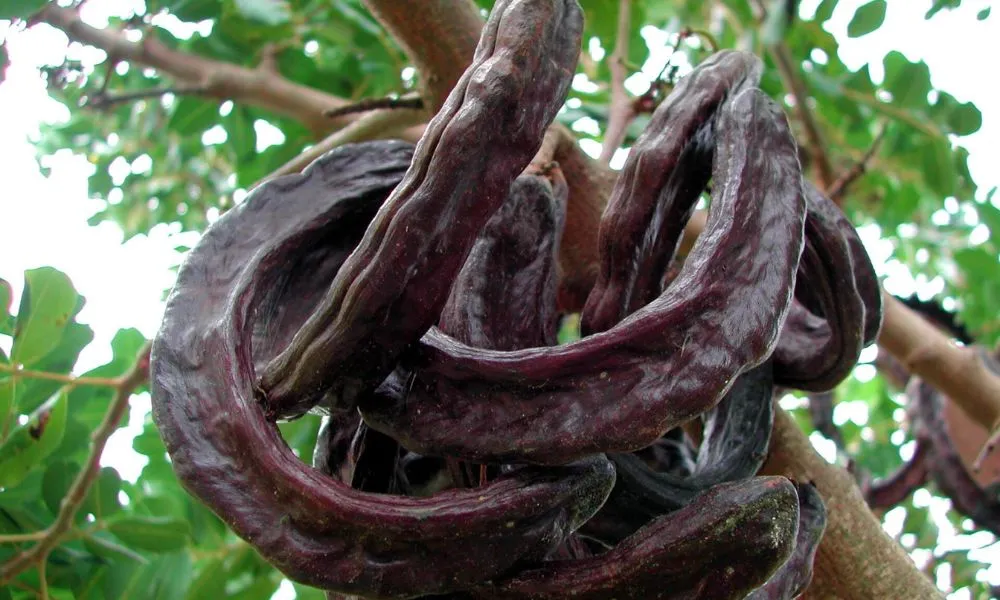
As cocoa struggles, scientists at the National University of Singapore have been searching for alternatives. Their focus has turned to carob, a plant native to the Mediterranean and long cultivated in hot, dry climates.

Unlike cocoa, carob thrives in arid conditions, requires very little water and is highly resistant to drought. Once roasted, it releases a naturally cocoa-like aroma. The challenge has always been flavour: carob is sweeter and less bitter than cocoa, making it an imperfect substitute.
To address this, researchers developed enzyme-based techniques to adjust carob’s flavour profile, increasing bitterness while enhancing its natural sweetness. The method is clean and minimal, avoiding harsh chemical treatments often used in food processing.
The result, scientists say, is a carob-based ingredient that could be used in chocolate bars, cocoa powders, malt drinks and other cocoa-based products.
If adopted widely, this approach could significantly reduce the chocolate industry’s dependence on cocoa, making supply chains more resilient to climate change and crop disease.
“Our goal is not just to copy cocoa,” said lead researcher Manfred Ku. “It’s about diversifying ingredients and helping the industry adapt, while still offering products people enjoy.”
Why this matters for Cyprus
For Cyprus, the idea of carob as the future of chocolate carries particular weight. The island has a long and deeply rooted relationship with the carob tree, once known locally as the black gold of Cyprus.
For decades, carob exports were a pillar of the Cypriot economy, especially during periods of hardship. Carob syrup, flour and pods were staples of rural life, valued for their nutrition, durability and versatility. Cyprus was once among the world’s leading exporters of carob, with the crop shaping landscapes, trade routes and local cuisine.
Today, as climate change reshapes global agriculture, that legacy may gain new relevance.
What was once seen as a humble, traditional product could become a key player in a climate-adapted food system. Carob’s resilience, low water needs and Mediterranean heritage position Cyprus not just as a producer, but potentially as a reference point in the search for sustainable chocolate alternatives.
In a warming world where cocoa struggles to survive, Cyprus’ carob trees may yet prove that the future of chocolate lies closer to home than we ever imagined.
Source: Euronews