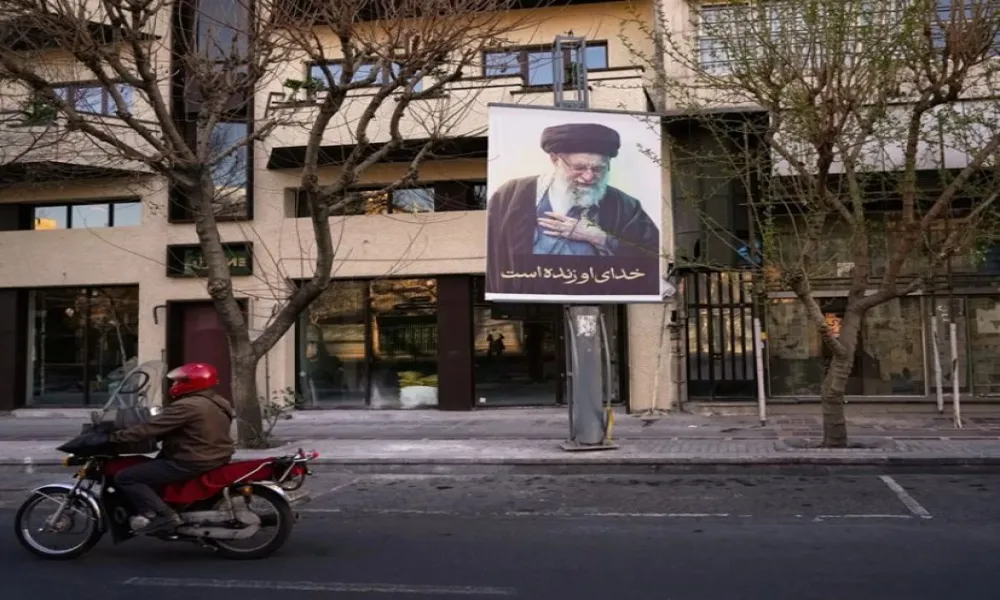

Iran is executing a strategy devised by Ayatollah Ali Khamenei, escalating attacks across strategic locations in the Middle East in an effort to pressure the United States and Israel and to disrupt global markets, according to a report by the Financial Times.
Iranian forces have implemented a plan prepared by Khamenei and senior Iranian commanders aimed at spreading instability across the region, unsettling global markets and raising the stakes in a bid to compel Washington and Tel Aviv to halt their offensive.
A regime insider told the Financial Times that the supreme leader, who was killed in the first wave of strikes on Tehran on Saturday, and his close associates began working on a “detailed” plan following Israel’s devastating 12-day war against the Islamic Republic in June.
That plan included attacks on energy infrastructure and operations designed to disrupt regional air traffic, the source said.
“We had no choice but to escalate and start a big fire so that everyone would see it,” the regime insider told the newspaper. “When our red lines were violated in defiance of all international laws, we could no longer abide by the rules of the game.”
The plan was activated despite the deaths of Khamenei and at least six senior Iranian military and intelligence officials, including the defence minister and the head of the elite Islamic Revolutionary Guard Corps, in US and Israeli strikes.
Ayatollah Alireza Arafi, a member of the three-person interim leadership council announced hours after Khamenei’s death, said in a video message on Monday that “this war continues because of his [Khamenei’s] planning.”
Escalation of retaliation
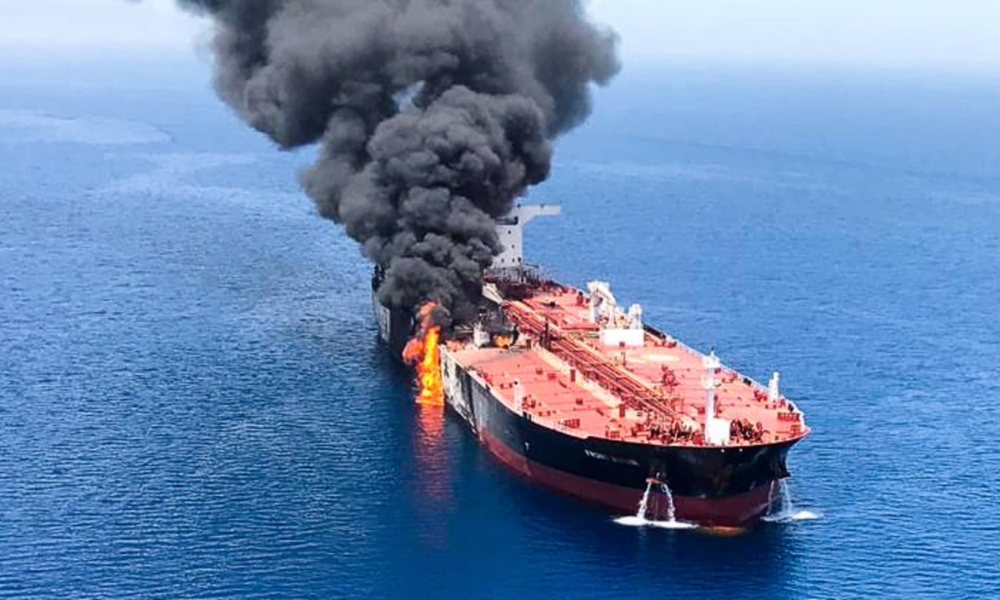
On Monday, 2 March, as markets reopened after the weekend, Tehran dramatically escalated its response, targeting energy facilities in the oil-producing Gulf. Drones were launched at a critical gas installation in Qatar and at one of Saudi Arabia’s largest refineries.
Qatar, one of the world’s leading suppliers of liquefied natural gas, subsequently halted supplies. Oil and gas prices surged as the Strait of Hormuz, through which roughly one-fifth of global energy shipments pass, was closed.
Following US and Israeli strikes, Iranian drones also hit hotels, airports and ports in countries including the United Arab Emirates, Kuwait, Iraq, Oman and Bahrain. Missiles and drones were fired at US bases in the region, while the Cypriot government confirmed the fall of a drone within the British Bases in Akrotiri.
Part of Tehran’s approach, the report notes, is the decentralisation of military decision-making so that its forces are not paralysed by the targeted killings of senior commanders. Iranian Foreign Minister Abbas Araghchi said the country’s forces are now operating independently.
“Our military units are now, in fact, independent and somewhat isolated and act based on the general directives that have been given to them in advance,” he told Al Jazeera.
Iran’s regional allies, who had stayed out of June’s conflict, have now entered the confrontation. Hezbollah launched rockets towards northern Israel, raising the prospect of renewed fighting in Lebanon, while Iraqi militias targeted a US base in northern Iraq and said they had struck American personnel at Baghdad airport.
The escalation is expected to continue, the regime insider told the Financial Times. “What did they expect? If the head of the Islamic Republic is targeted, did they think nothing would happen?”