



Few commodities influence the global economy as profoundly as oil. It remains the dominant fuel for transportation, a key input for industry and a major determinant of shipping and logistics costs. Because oil sits at the centre of global trade networks, movements in its price quickly spread through supply chains and appear in everyday costs, from petrol and electricity to food and manufactured goods.
Oil is also one of the most internationally integrated markets. A disruption in one part of the world can rapidly affect prices everywhere else. For countries that produce little or no oil, including many European states, changes in global prices are transmitted almost immediately through imported energy costs.
The result is that oil prices often serve as both a reflection of global economic conditions and a barometer of geopolitical tension.

The pandemic shock and the return of inflation
The Covid-19 pandemic delivered one of the most dramatic shocks ever recorded in the oil market. As lockdowns spread across the world in early 2020, transport activity collapsed. Global demand for oil fell at a speed and scale the industry had never previously experienced.
The collapse did not last long. As economies reopened in 2021, demand rebounded quickly while supply remained constrained. Oil prices rose sharply throughout the year and accelerated further in 2022, when Russia’s invasion of Ukraine disrupted energy markets and forced Europe to reorganise large parts of its energy supply.
By that stage Brent crude, the global benchmark used across Europe, had climbed above $100 per barrel. Higher oil prices contributed significantly to the inflation wave that followed the pandemic, raising fuel costs, shipping rates and electricity prices across many economies.
How OPEC influences the market
A central force in shaping oil supply is the Organization of the Petroleum Exporting Countries, or OPEC. Founded in 1960, the group brings together major oil-producing states including Saudi Arabia, Iraq, Iran, Kuwait and the United Arab Emirates.
Over time, OPEC has expanded its coordination with additional producers such as Russia in what is commonly known as the OPEC+ alliance.
Unlike many commodities, oil production is heavily concentrated among a relatively small group of countries. This concentration gives producer alliances significant influence over supply levels. Rather than setting prices directly, OPEC affects prices by coordinating production quotas among its members.
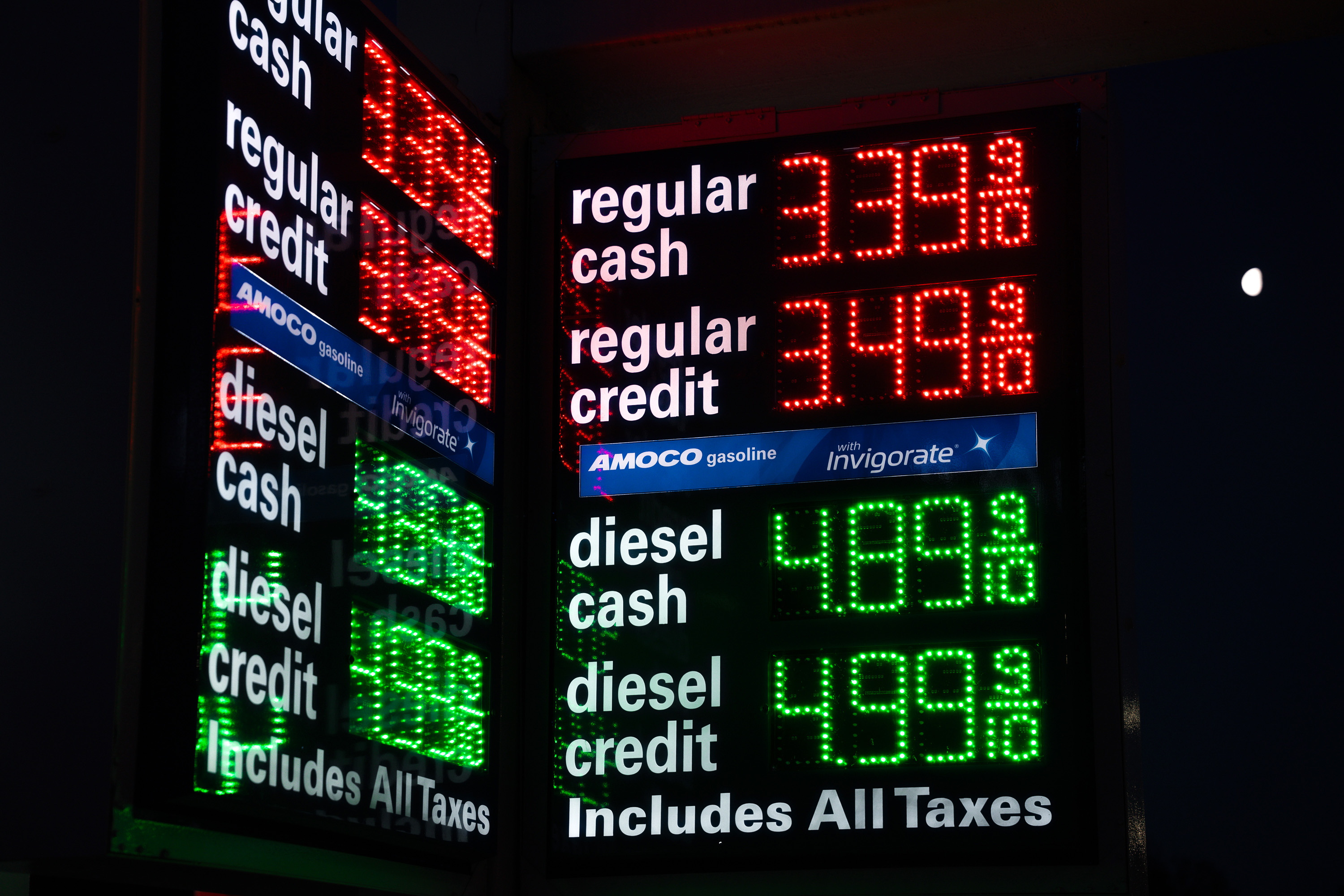
When OPEC and its partners agree to cut production, the supply of oil entering the market declines, typically pushing prices higher. When the group increases output, the additional supply can place downward pressure on prices. Saudi Arabia plays a particularly influential role because it maintains spare production capacity that can be activated relatively quickly. This ability to increase or reduce output makes the kingdom an important stabilising force in global oil markets.
Why wars in the Middle East move oil markets
Geopolitical instability has long been one of the most powerful drivers of oil price volatility. The Middle East remains central to global energy supply, holding a large share of the world’s proven oil reserves and exporting millions of barrels per day to international markets. When conflicts emerge in the region, markets immediately begin to price in the risk of supply disruption. Even before any actual interruption occurs, the mere possibility that oil infrastructure or shipping routes could be affected often leads traders to bid prices higher.
One of the most sensitive locations is the Strait of Hormuz, a narrow waterway connecting the Persian Gulf with the Arabian Sea. Roughly one fifth of global oil consumption passes through this maritime corridor each day.
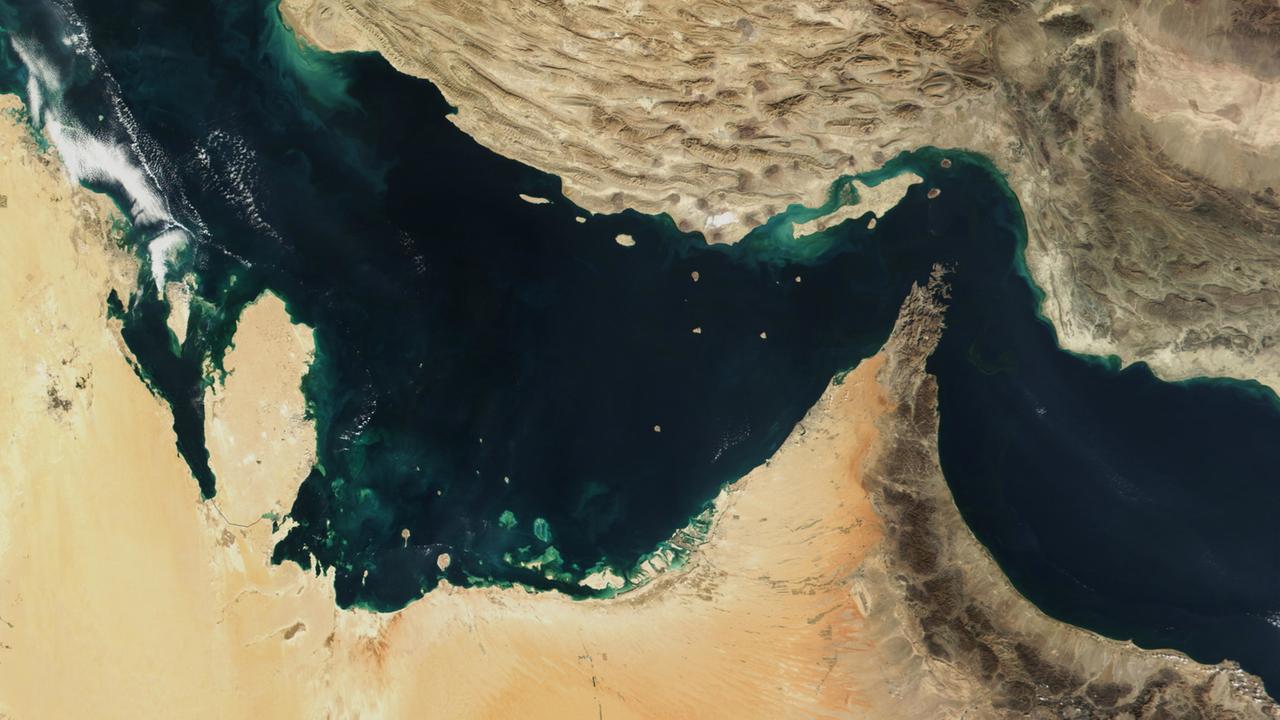
Any threat to shipping through the strait - whether through military confrontation, attacks on tankers or broader regional escalation - can trigger immediate movements in oil markets. The current war involving Iran and regional actors has once again highlighted this vulnerability. Traders are closely watching whether the attacks could expand to affect major oil facilities or shipping routes.

How to follow oil prices in real time
Global oil prices are tracked through several benchmark grades. The most widely used is Brent crude, produced in the North Sea and used as the international reference price for most oil traded worldwide. In the United States, the primary benchmark is West Texas Intermediate, which is traded on the New York Mercantile Exchange. A third benchmark, Dubai crude, is often used for pricing exports to Asian markets.
Oil prices are also shaped by futures markets, where traders buy and sell contracts for future delivery. These markets allow investors and energy companies to hedge risk but also serve as a forward-looking indicator of expectations about supply and demand. Regular analysis from institutions such as the International Energy Agency, the US Energy Information Administration and OPEC itself provides further insight into production levels, global demand and market forecasts.
Key price milestones in the oil market
Recent data highlight the scale of volatility that has characterised oil markets over the past decade, particularly during the pandemic and the subsequent geopolitical shocks.
Brent crude annual average prices (EIA):
-
2021: $70.86 per barrel
-
2022: $100.94 per barrel
-
2023: $82.49 per barrel
-
2024: $80.56 per barrel
-
2025: $79.27 per barrel
Global crude oil average (World Bank):
-
2019: $61.4 per barrel
-
2020: $41.3 per barrel
-
2021: $69.1 per barrel
-
2022: $97.1 per barrel
-
2023: $80.8 per barrel
-
2024: $78.7 per barrel
-
2025: $67.4 per barrel
Strategic vulnerability in supply routes:
-
Around 20 million barrels of oil per day pass through the Strait of Hormuz, roughly 20 percent of global petroleum liquids consumption, making it one of the most critical chokepoints in the global energy system.
Recent conflict-driven volatility (March 2026):
-
9 March 2026: Brent settled at $98.96 per barrel, after surging by as much as 29 percent intraday amid fears of escalation in the Middle East.
-
10 March 2026: prices retreated to around $92–$93 per barrel following signals of possible de-escalation.
The role of the dollar
The global oil market is closely intertwined with the international monetary system. Since the 1970s, most oil transactions have been priced and settled in US dollars, a structure often referred to as the “petrodollar” system.
This arrangement means that the value of the dollar can influence the effective price of oil for countries using other currencies. When the dollar strengthens, oil becomes more expensive for importers whose currencies weaken against it. When the dollar falls, oil becomes relatively cheaper for many buyers.
The dollar’s role in energy trade has also reinforced its position as the dominant global reserve currency. Oil-exporting states frequently invest their revenue in dollar-denominated assets, particularly US government debt. Although some countries have explored alternative currency arrangements for energy trade, the overwhelming majority of global oil transactions continue to be conducted in dollars.
Impact on Cyprus fuel prices
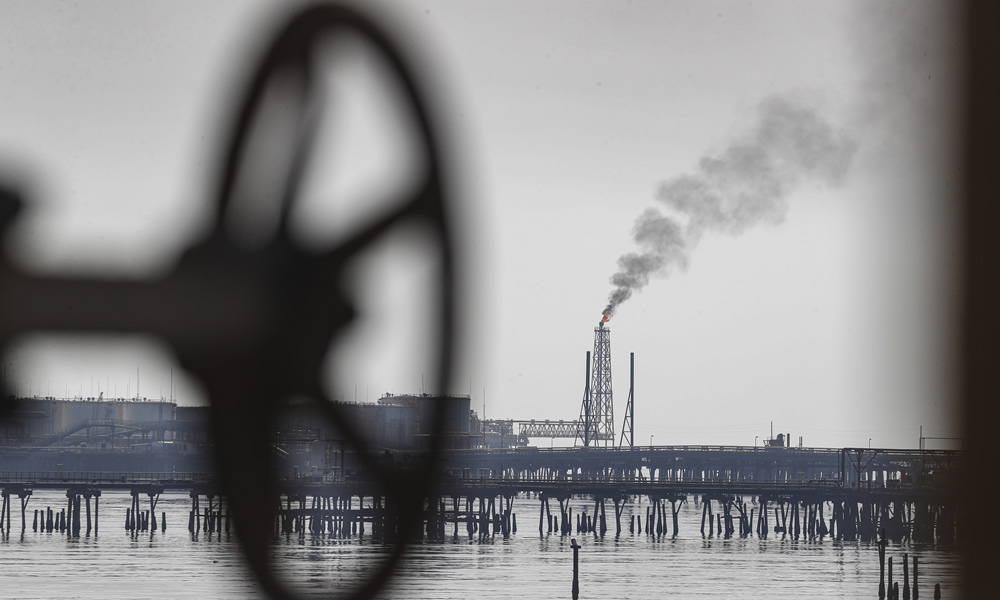
The volatility in international oil markets is already expected to be reflected in Cyprus’ domestic fuel prices. Energy expert Charles Ellinas, Senior Associate and Senior Fellow at the Atlantic Council, warned that petrol and diesel prices on the island could rise by as much as 30 to 40 percent in the coming weeks once new fuel shipments reach the market.
Ellinas noted that Brent crude briefly surged to around $120 per barrel following statements suggesting the conflict could continue, before retreating to roughly $91–94 after signals that military objectives may be nearing completion. The sharp swings illustrate how quickly oil markets react to political developments and shifting expectations about the duration of the conflict.
He added that if the fighting persists for several weeks, prices could again move above $120 per barrel and, in an extreme scenario involving a complete disruption of Middle Eastern exports, could approach $150. For Cyprus, where current retail prices stand at approximately €1.347 per litre for petrol and €1.461 for diesel, the effects are expected to appear once existing fuel stocks are depleted and the next round of imports reflects the higher international prices.
The renewed escalation of conflict in the Middle East introduces an additional element of risk into a market that has already undergone significant turbulence since the pandemic. Even in the absence of immediate supply disruption, geopolitical tensions tend to generate a risk premium in oil prices as traders factor in the possibility of interruptions to production, infrastructure or maritime transit routes.