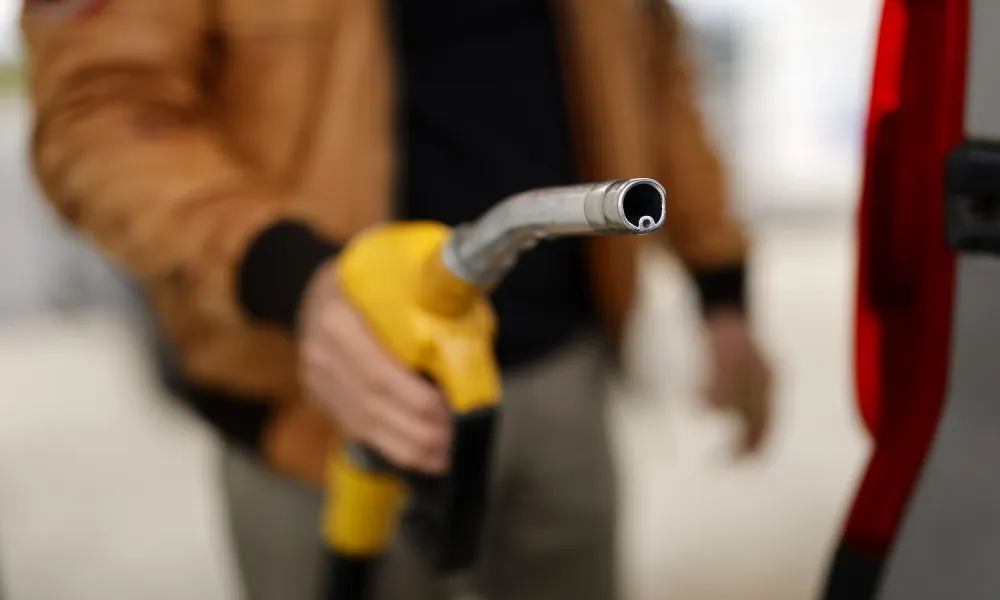
Geopolitical developments in the Middle East are once again putting pressure on global energy markets, with drivers seeing fuel prices at petrol stations climb sharply. As the cost of filling the tank continues to rise, efficient car use can make a noticeable difference to monthly transport expenses.
Fuel economy is not the result of a single trick but mainly depends on proper driving behaviour and the good condition of the vehicle. Small adjustments in everyday use can significantly reduce fuel consumption without affecting comfort or safety.
Maintenance is the first step
A well-maintained car operates more efficiently. Clogged air or fuel filters, worn spark plugs or a fuel injection system that is not functioning properly can significantly increase fuel consumption.
The same applies to tyres. When tyre pressure is lower than the level recommended by the manufacturer, friction increases and the engine needs more energy to move the vehicle.
Smooth driving saves fuel
The most important factor affecting fuel consumption is the way a vehicle is driven. Sudden acceleration and heavy braking can considerably increase fuel use.
Maintaining a steady speed, especially during longer journeys, is one of the most effective ways to save fuel. In practice, the difference between travelling at 120 km/h and around 100 km/h can be much greater than many drivers expect.
In city driving, anticipating traffic conditions also helps. The fewer stops and sharp accelerations required, the lower the fuel consumption will be.
Reduce weight and aerodynamic drag
Every additional kilogram carried by a car increases fuel consumption. Many drivers use the boot as a storage space without realising that unnecessary weight directly affects fuel efficiency.
The same applies to elements that affect aerodynamics, such as roof boxes or roof racks. When they are not in use, it is advisable to remove them, as they increase air resistance and place additional strain on the engine during journeys.
Careful use of air conditioning
Air conditioning increases fuel consumption, particularly in city driving or at lower speeds. Using it at reasonable temperature settings and ensuring proper maintenance of the system helps prevent it from operating more than necessary.
Fuel economy depends largely on the driver
In practice, saving fuel does not require major sacrifices. A smoother driving style, proper maintenance and careful use of the vehicle are enough to noticeably reduce consumption.
At times when international developments directly affect fuel prices at the pump, these small changes can make a significant difference by the end of the month.
Source: newsauto.gr