
The Εastern Mediterranean is set to receive increased rainfall from now until February 20, according to a forecast from the Climate Watch Advisory Group of the World Meteorological Organisation (WMO).
The medium-term climate forecast, circulated by the Cyprus Department of Meteorology, shows comparatively favourable data in the short term, with an increased probability of rainfall above normal values. For Cyprus, these conditions may lead to increased surface runoff and a temporary improvement in soil moisture and hydrological conditions, while locally heavy rainfall over short periods of time is not excluded.
More rain but not enough
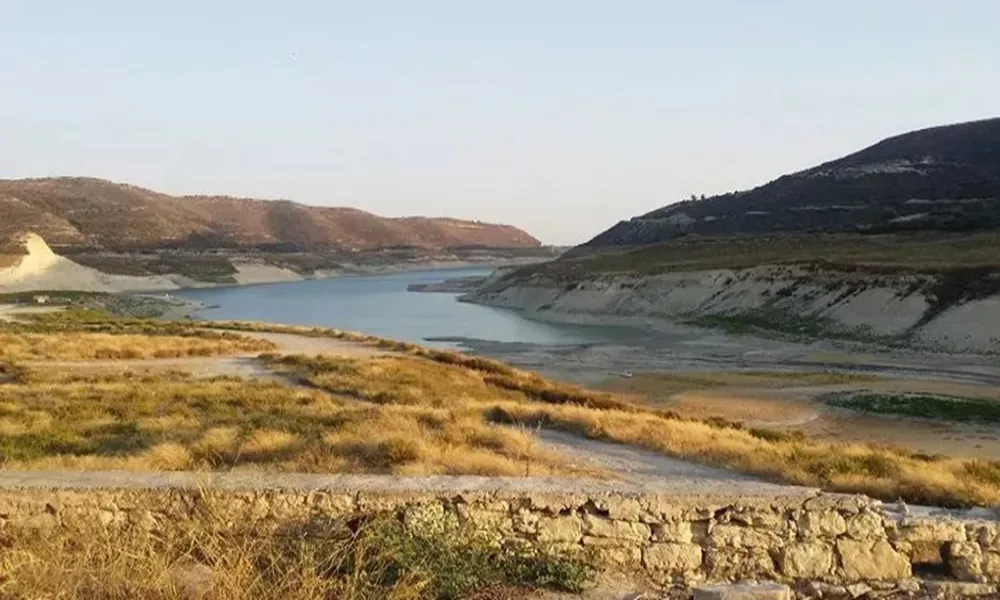
However, hydrological conditions in the country remain particularly demanding. According to the forecast, following an extensive and multi-year drought, water reserves in Cyprus' dams are still at very low levels and the expected rainfall is not sufficient to substantially reverse the current situation, nor to make the reserves satisfactory.
The Eastern Mediterranean is set to continue receiving reduced amounts of rainfall in the future, and this fact further increases water pressure. Under these circumstances, the rational and limited use of water is not an option but a necessity, notes the WMO.
A period of increased precipitation compared to seasonally normal levels is expected over much of the Mediterranean over the next four weeks. This trend affects, among others, Cyprus, Greece, western and southwestern Turkey and areas of the central and western Mediterranean.
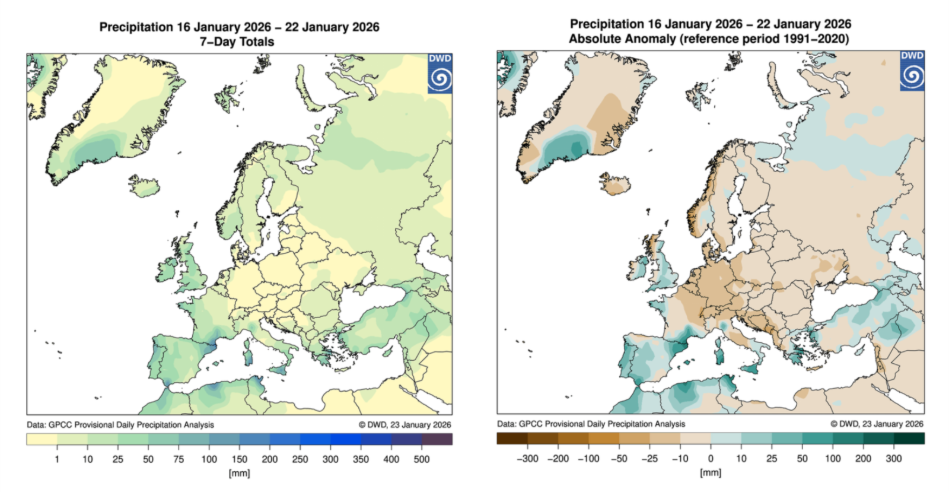
Weekly precipitation amounts in the Eastern Mediterranean are estimated to generally range between 25 and 100 mm, with locally higher amounts in exposed areas. Weekly precipitation anomalies are expected to be in the range of +10 to +50 mm, while in some cases larger positive deviations are not excluded.
For the week of January 16-22, Cyprus has received close to 20 mm of additional rain compared to the expected amount for this period.
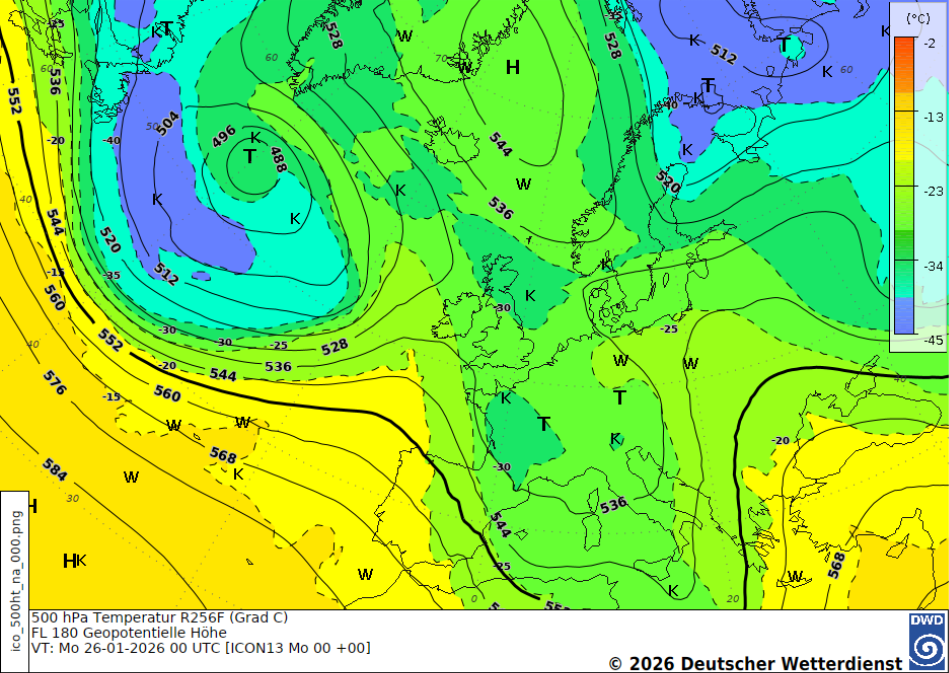
Prevailing atmospheric circulation favours the maintenance of wetter than normal conditions in the Eastern Mediterranean and Cyprus, with an increased frequency of precipitation episodes due to the successive passage of barometric lows and frontal systems for the next four weeks, noted the forecast.
Source: CNA