By Andrie Daniel
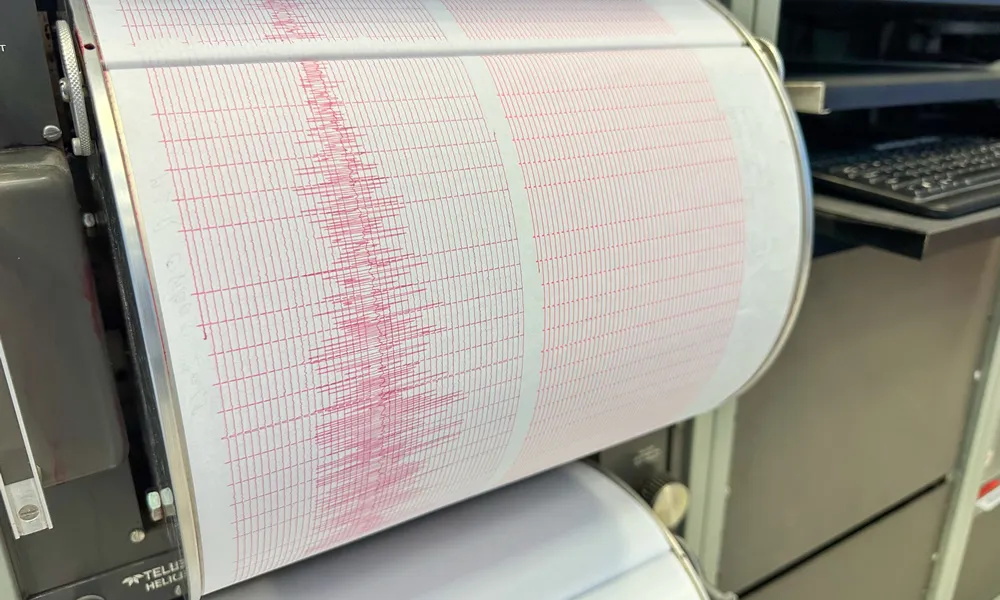
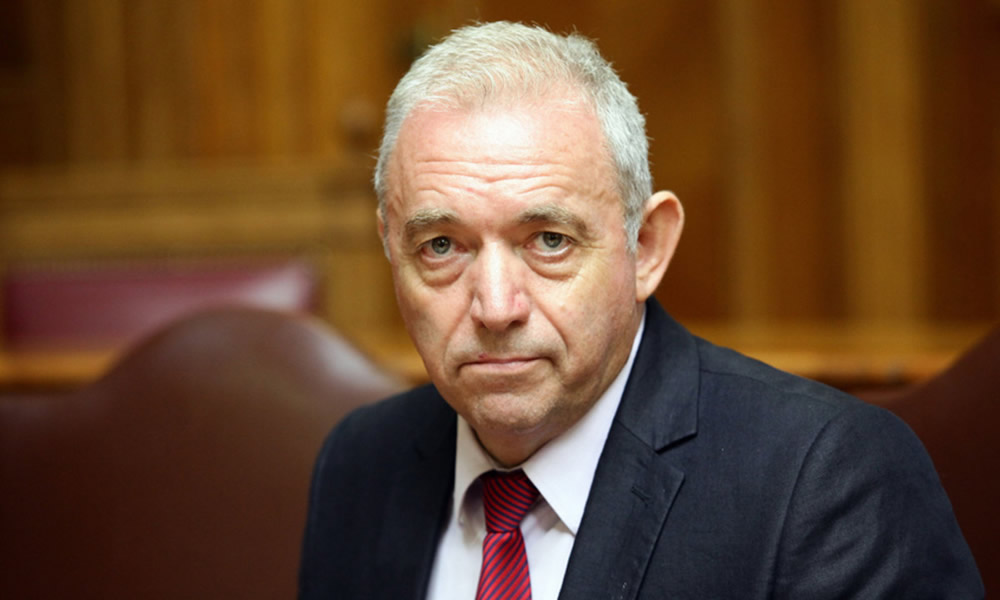
“Based on the data so far, the picture indicates the phenomenon is on a trajectory of de-escalation,” said Efthymios Lekkas, Professor of Dynamic Tectonics and Applied Geology and President of Greece’s Earthquake Planning and Protection Organization (OASP). Speaking to Politis radio 107.6 fm, he noted that no one can predict the exact course of a seismic sequence, but current indicators are reassuring.
Lekkas outlined the past 24 hours: Wednesday’s quakes of magnitude 5.2 and 5.3 were followed by a significant number of aftershocks, which is normal. Another tremor of about 4.5 was recorded today, considered part of the aftershock sequence and contributing to the release of energy. He added that the appearance of more similar aftershocks would be positive, although no specific evolution can be forecast.
When to worry
Asked if Cyprus should be concerned at particular magnitudes, he said quakes above 6.0 are those that can potentially cause problems. He stressed that magnitude alone is not the only assessment criterion. Focal depth, rupture mechanism, the active fault, frequency content and local soil conditions are equally important.
“At this time there is no indication of an event above 6.0 or of a serious deterioration,” Lekkas said, urging calm while authorities continue monitoring.