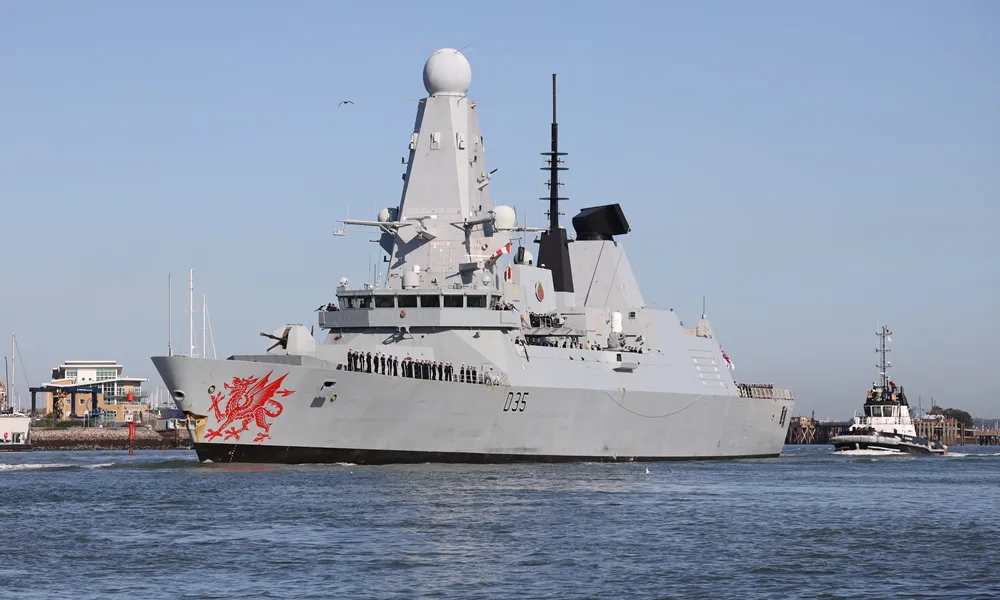
British Prime Minister Keir Starmer has rejected a request from Donald Trump to deploy British warships to the Middle East to escort oil tankers through the Strait of Hormuz. According to the British government, the two leaders spoke by phone on Sunday evening and agreed on the importance of restoring navigation through the strait in order to ease disruptions to global shipping and the rising costs linked to the crisis. However, the statement from 10 Downing Street indicated that the two sides do not currently share a common approach on how to stabilise the situation in the region.
Strategic disagreement
The United States has been pushing allies to contribute naval assets to help protect commercial shipping moving through the Strait of Hormuz, a key global energy corridor through which roughly one fifth of the world’s oil supply passes.
Tensions in the area have increased following attacks on commercial vessels and threats from Iran to target ships linked to Western states amid the broader regional conflict. British analysts say London’s reluctance to send warships reflects concerns that direct naval escorts could expose the United Kingdom to retaliation, particularly after Iranian officials warned of possible countermeasures against British interests.
Alternative support
Instead of deploying warships, the UK government is reportedly preparing to contribute other forms of support to the international effort to safeguard maritime traffic. According to British media reports, London is considering providing specialised drones capable of detecting naval mines and intercepting missiles in order to help secure shipping routes without placing British naval forces directly in the line of escalation. Such systems could assist multinational operations aimed at keeping the Strait of Hormuz open to global trade.
Global economic implications
The Strait of Hormuz is widely considered one of the most critical chokepoints in the global energy system. According to the U.S. Energy Information Administration, around 20 percent of the world’s petroleum liquids consumption passes through the waterway. Disruptions in the strait have already pushed oil prices higher and increased shipping costs, raising concerns about broader economic repercussions if the crisis deepens.
While Washington continues to seek broader allied participation in naval protection missions, London’s current position suggests that Western partners may pursue different strategies in managing the security risks in the Gulf.
Source: Reuters, The Guardian