From Western Europe to East Asia, countries are scrambling to secure natural gas supplies after the war in Iran disrupted flows from the Persian Gulf, a key source of fuel for heating, electricity and industry. According to reporting by The New York Times, the disruption is expected to benefit major exporters such as the United States in the short term, but it is also exposing structural vulnerabilities in the global gas market.
Supply shock reshapes the market
The United States, currently the world’s largest exporter of liquefied natural gas (LNG), is positioned to gain from the shortage. Industry executives told the newspaper that American producers could expand exports and command higher prices as global demand intensifies.
However, analysts warn that the war, now entering its second month, is reinforcing a broader concern: dependence on imported gas leaves countries exposed to geopolitical shocks, price volatility and supply interruptions. This is the second major disruption in recent years, following the spike in gas prices triggered by Russia’s invasion of Ukraine in 2022.
Qatar disruption raises stakes
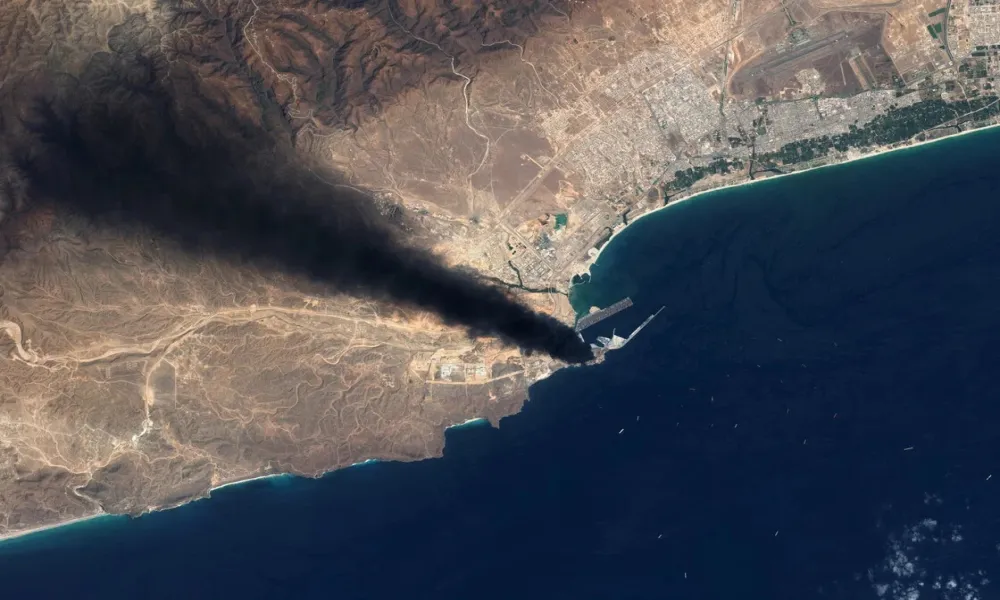
The situation has been exacerbated by the halt in exports from Qatar, one of the world’s largest LNG suppliers, which typically accounts for around 20 per cent of global LNG trade.Facilities in the country sustained significant damage early in the conflict, with repairs expected to take years. According to the New York Times, other exporters lack the spare capacity to quickly replace these volumes.
As a result, countries such as Japan, Bangladesh and Thailand have already increased coal use to generate electricity, while South Korea has urged citizens to conserve energy.
Shift towards alternatives
The crisis is accelerating a shift in energy strategy. Higher gas prices and supply uncertainty are making alternatives such as renewables, nuclear energy and even coal more attractive. Energy executives cited in the New York Times say countries are increasingly looking to reduce exposure to imported gas by investing in domestic energy production or diversifying their energy mix. The credibility of LNG as a stable long-term solution has been weakened, particularly after consecutive disruptions linked first to Russia and now to the Middle East.
Forecasts are already being revised. Goldman Sachs has raised its LNG price outlook for Asia, projecting significantly higher costs by 2028, while similar upward revisions are expected in Europe.
At the same time, structural demand could weaken. Europe, for example, is already using around 16 per cent less natural gas than before the Ukraine war, according to the International Energy Agency. Analysts warn that if high prices persist, countries may accelerate investments in renewable energy, storage systems and nuclear power to shield themselves from future crises.
Strategic rethink under way
The broader lesson, according to experts cited by the New York Times, is that energy security is once again at the centre of national policy. Countries without domestic fossil fuel resources are now weighing long-term strategies to reduce dependence on volatile import markets, even if that requires costly infrastructure or a shift in energy models. While LNG demand may remain strong in the short term, the current crisis is likely to reshape global energy planning, with lasting implications for both producers and consumers.