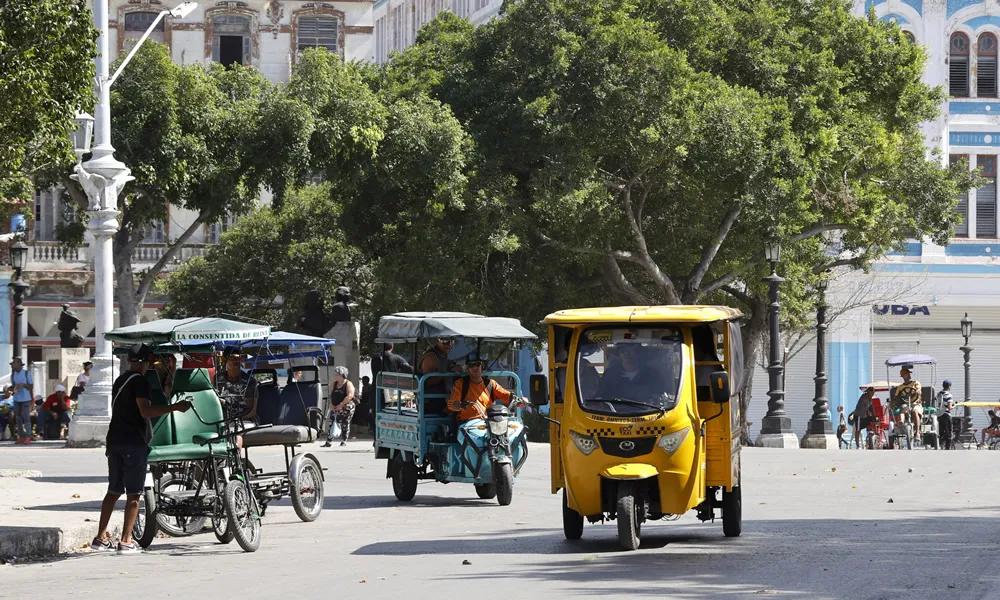

The United Nations has called for increased humanitarian support to Cuba, warning that a prolonged energy crisis, aggravated by the impact of Hurricane Melissa, is placing growing strain on essential services across the country.
The country has long faced economic challenges, but a worsening fuel shortage in recent months has triggered more frequent power outages and disruptions to transport and industry, placing growing pressure on electricity generation and supply chains, while long-standing US sanctions continue to restrict access to financing, fuel imports and international trade.
Speaking on Monday, UN Resident Coordinator Francisco Pichon described the situation as highly concerning and confirmed that the UN system has rolled out a restructured action plan to respond to evolving needs.
“This is not a conventional emergency,” he said, noting that the energy crisis is having a systemic humanitarian impact, disrupting healthcare, water supply, sanitation, food systems, education, transport and telecommunications.
The plan targets around 2 million people in 63 municipalities and eight provinces, with a strong focus on securing fuel and expanding alternative energy solutions. Pichon stressed that access to fuel remains critical to maintaining operations, while recent deliveries of Russian oil provide only temporary relief and do not address the underlying constraints linked to the embargo.
The response is organised around six key sectors: logistics, health, water and sanitation, food security, shelter and protection, and education. Central to the plan is the development of energy back-up systems, including solar-powered irrigation, solar panels for hospitals and schools, and upgrades to water pumping infrastructure using renewable energy.
The UN estimates that $94.1 million is needed to fully implement the plan. So far, $26.2 million has been secured, leaving a shortfall of about $60 million. Pichon said there is a critical window to mobilise additional funding.
The scale of the disruption is already evident. In March alone, the national electricity system was disconnected three times. Around 1 million people now depend on water deliveries due to fuel shortages, with supply cycles in some areas exceeding 30 days.
Healthcare services have also been severely affected, with more than 96,000 surgeries postponed, including over 11,000 involving children. At the same time, around 5 million people with chronic conditions lack reliable access to medication.
Education has also been disrupted, with 411,000 children following reduced school schedules and 85,000 students in remote areas struggling to continue their studies.
The UN also highlighted the impact on vulnerable groups, including nearly 300,000 elderly people living alone, more than 114,000 persons with disabilities and over 32,000 pregnant women facing risks due to inconsistent prenatal care.
“This is about safeguarding dignity,” Pichon said. “Saving lives cannot wait.”
Source: CNA