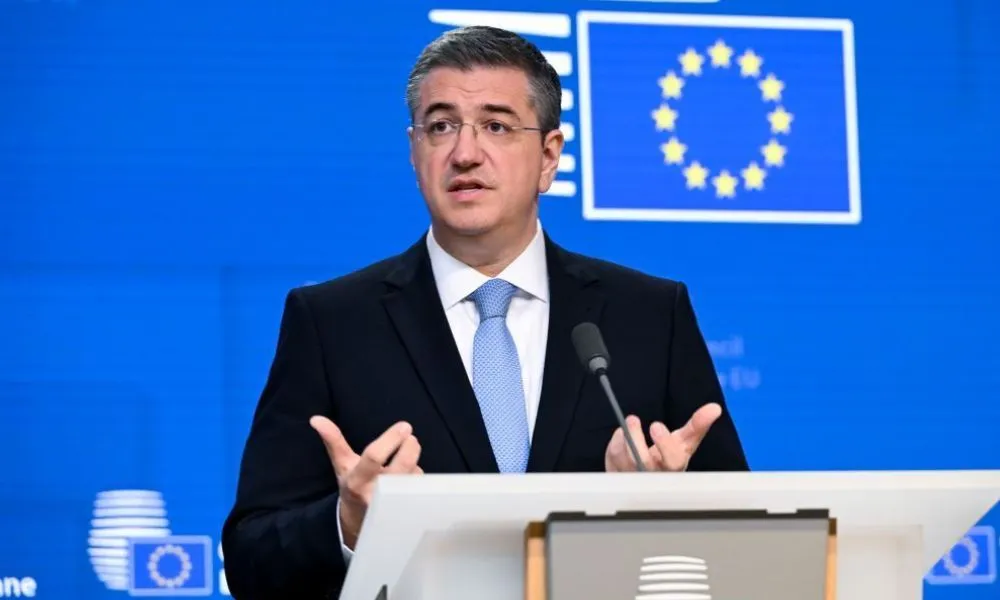
European Union plans to safeguard fuel supply were presented during the Informal Councils of Transport Ministers and Ministers responsible for maritime transport, held in Nicosia under the Cypriot Presidency of the Council of the EU.
Speaking at a press conference on Wednesday, European Commissioner for Sustainable Transport and Tourism Apostolos Tzitzikostas said diplomacy remains the only way out of the current turmoil, stressing that the EU is working to secure alternative supply routes, including aircraft fuel imports from the United States.
He noted that if supply pressures intensify, emergency reserves must be mobilised strategically and responsibly. The EU is also preparing guidelines for the sector covering airport slots, restrictions on fuel transfers, public service obligations and the use of imported fuels, while remaining ready to propose temporary regulatory adjustments if conditions deteriorate.
Tzitzikostas warned that without the full restoration of freedom of navigation, consequences would be catastrophic for Europe and the wider world. He highlighted the EU’s priority to ensure the safe evacuation of European vessels currently in the Strait of Hormuz and expressed solidarity with seafarers affected by the crisis.
He added that while markets are currently absorbing the shock, aircraft fuel stocks are under pressure in parts of Europe and preparedness remains essential. As part of this effort, the EU has launched the Accelerate EU plan and established a new fuel observatory to monitor supply levels across all transport sectors.
Reference was also made to ports, with the Commissioner stressing the need for diversification into clean energy, digital services and innovation, supported by significant public and private investment, particularly for smaller and remote ports.
The Nicosia Declaration, signed on Wednesday, was described as a turning point in recognising the human dimension of European shipping, underlining the importance of seafarers to competitiveness and resilience.
Transport Minister Alexis Vafeades said strengthening European transport infrastructure remains central to resilience and strategic autonomy, adding that Cyprus is recording fuel consumption data to be shared with Member States.
Deputy Minister of Shipping Marina Hadjimanolis highlighted the importance of the Nicosia Declaration, stressing that the future of European shipping depends on its people and on addressing skills shortages, safety risks and the need for a more inclusive maritime sector.
Cyprus holds the Presidency of the Council of the EU until the end of June 2026, as part of the Trio Presidency with Poland and Denmark.