
In Lefkara, a place with strong cultural resonance and a recognisable international identity, the Republic of Cyprus presented the framework of its Presidency of the Council of the European Union, which begins on 1 January 2026. The unveiling ceremony served as the first public reference point for a six-month term that has been in preparation for months at both administrative and political level, at a time when the European Union is facing accumulated crises and difficult policy choices.
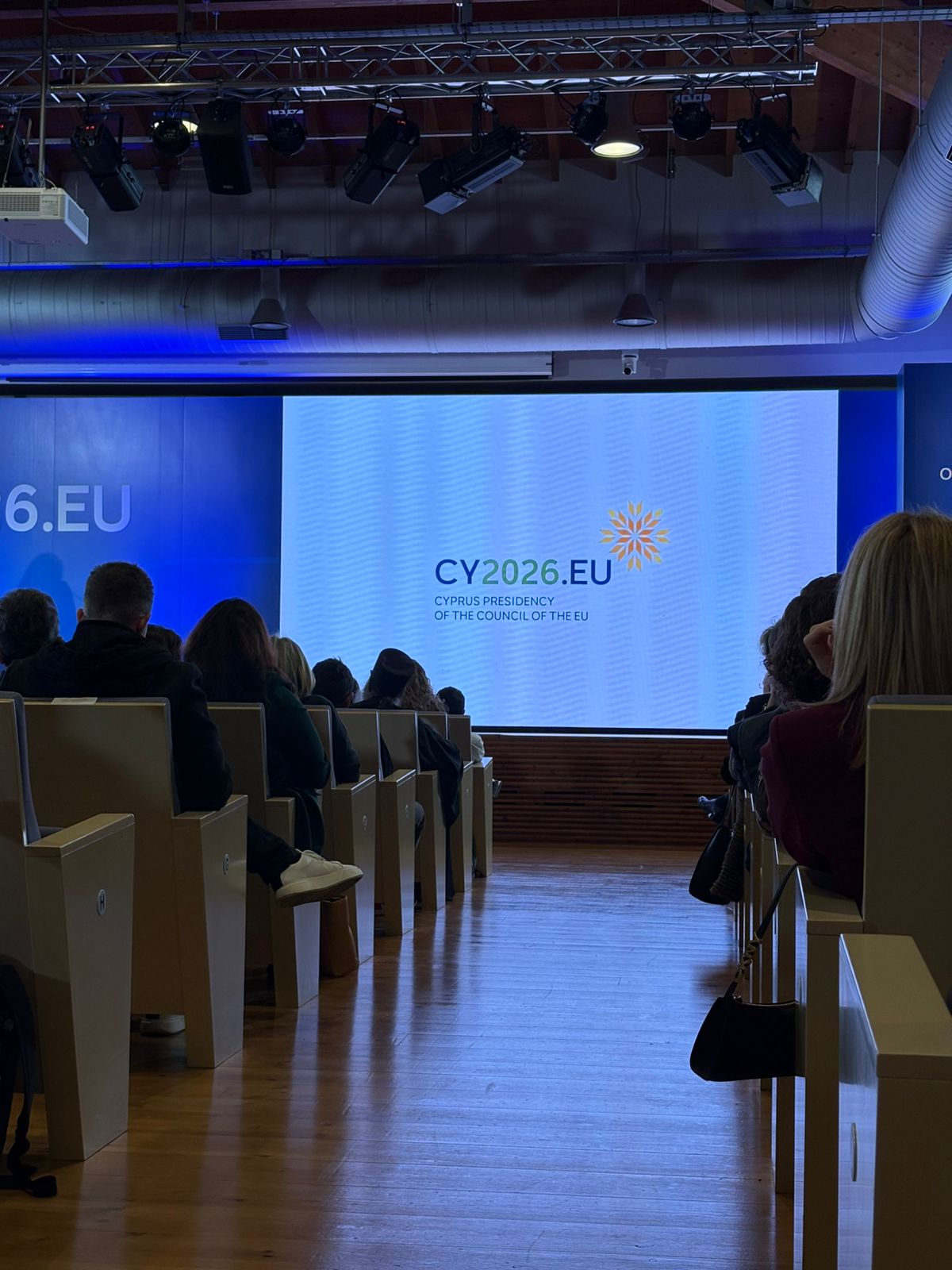
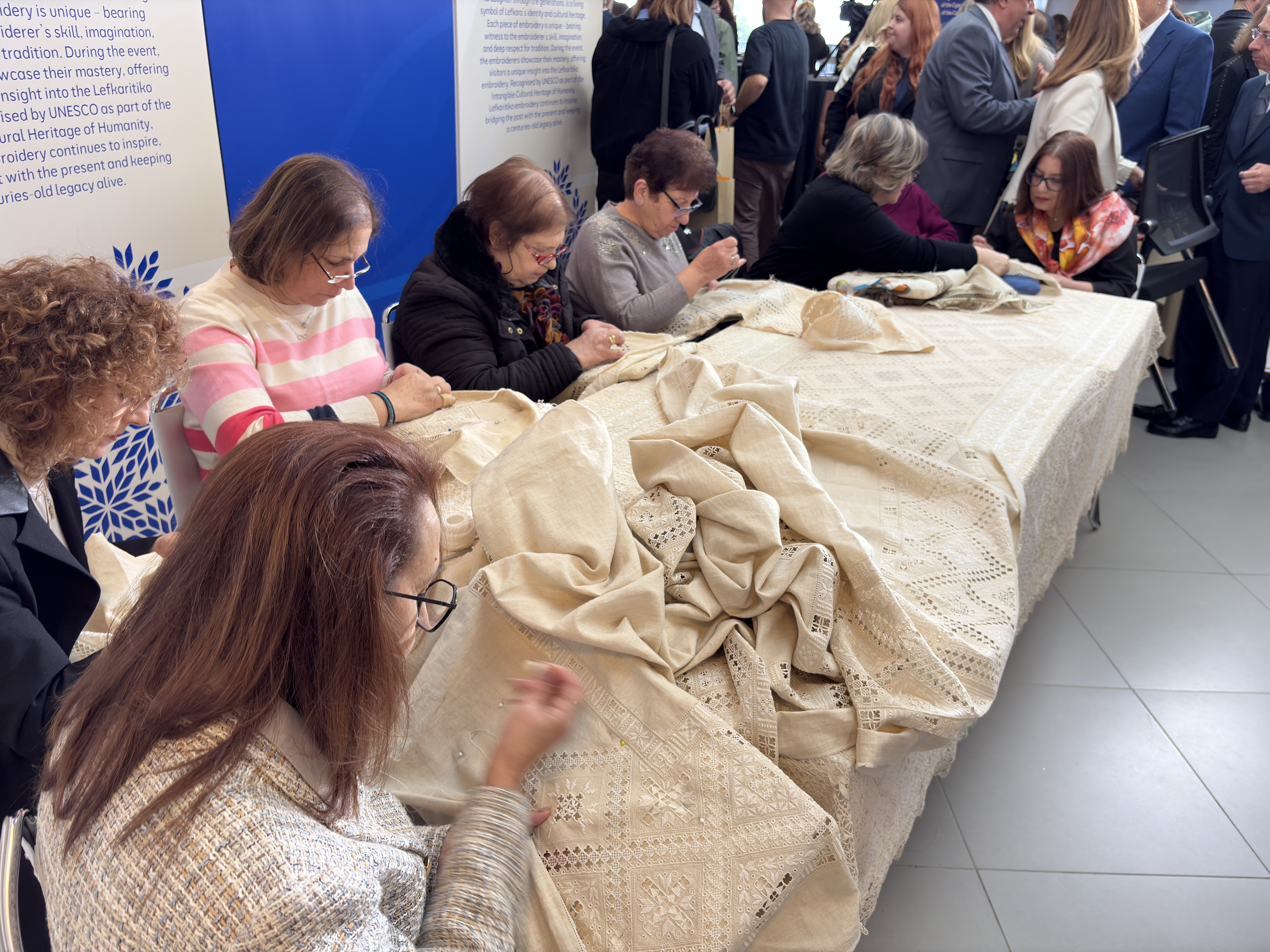
The choice of Lefkara reflects Nicosia’s intention to link its European role with elements of cultural continuity and outward-looking identity. The village, internationally known for its tradition of handicraft and lace-making, was used as the backdrop for a narrative that places Cyprus as a member state with particular geographic and political weight in the Eastern Mediterranean.
Beyond symbolism, the Cypriot Presidency will be required to manage a heavy institutional and political agenda. Issues expected to dominate the Council’s work include developments in Ukraine, negotiations on the next Multiannual Financial Framework, European defence and security, economic competitiveness, and the implementation of the Pact on Migration and Asylum. These are major policy areas that demand coordination, technical capacity and the ability to bridge differing positions among member states.
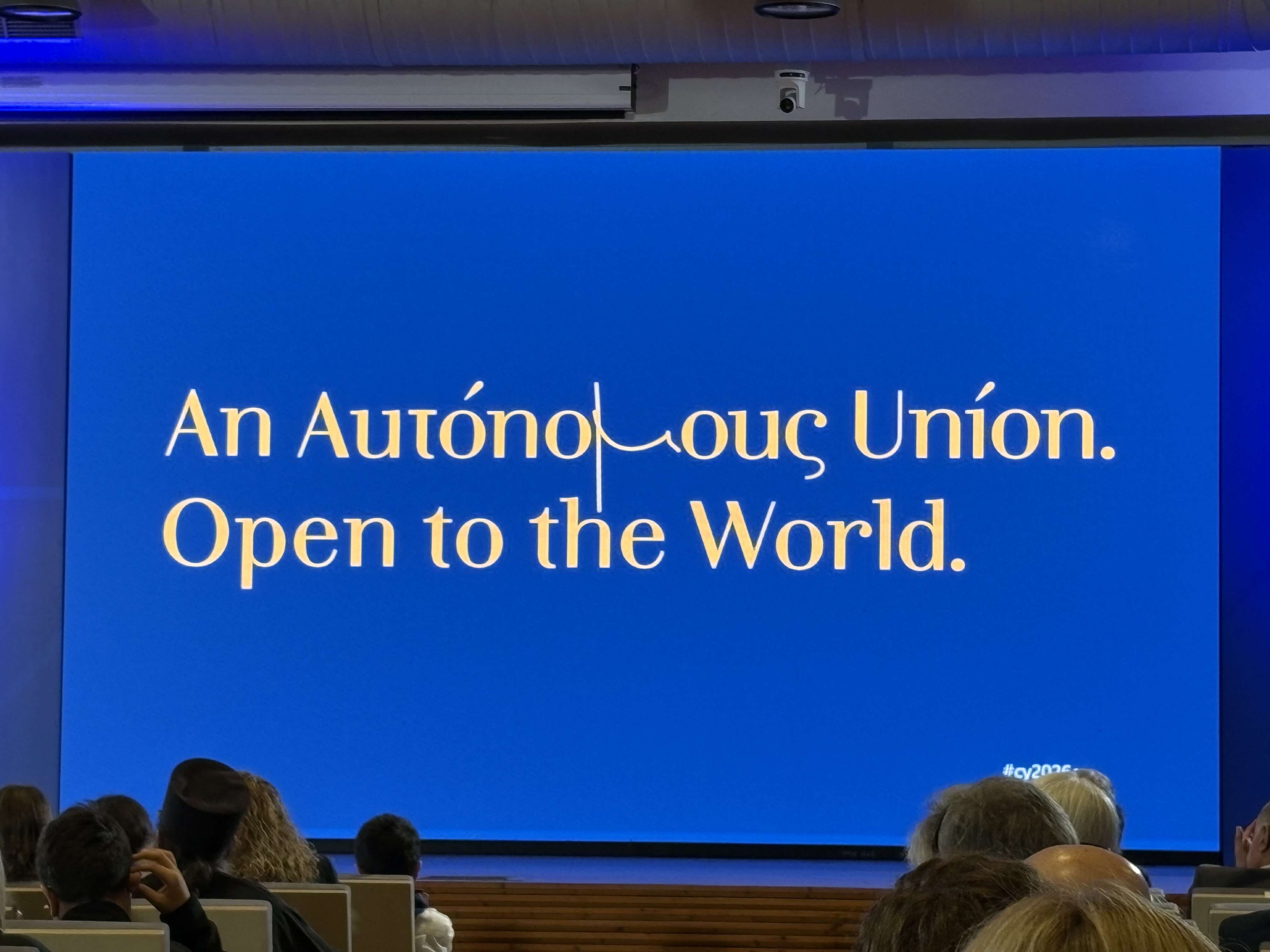
A central pillar of the framework promoted by Nicosia is the concept of the European Union’s strategic autonomy. The Cypriot side argues for strengthening Europe’s self-reliance in areas such as defence, energy and critical infrastructure, in an international environment marked by growing dependencies and shifting geopolitical balances. At the same time, emphasis is placed on the EU’s neighbourhood policy and its relations with the wider Middle East, an area in which Cyprus seeks a more active role during its Presidency.
EU enlargement remains another politically sensitive file. Nicosia has signalled its intention to pursue progress in accession processes without compromising adherence to European criteria, at a time when enlargement continues to generate internal debate and divergent approaches within the Union.
The presentation in Lefkara therefore functioned as an entry point to the political and institutional context in which the Cypriot Presidency will unfold. The real measure of the six-month term will lie in how these policy areas are handled and in Cyprus’ ability to coordinate, mediate and deliver concrete outcomes within a Council seeking stability and direction.