
The European Commission has announced a new package of measures aimed at accelerating Europe’s transition to a circular economy, placing particular emphasis on the plastics sector. The initiative seeks to strengthen recycling, support innovation and improve the functioning of the Single Market, while addressing growing pressures on Europe’s plastic recycling industry.
The measures form part of a broader two-step strategy that will culminate in a Circular Economy Act, expected to be proposed in 2026, with the aim of establishing a genuine Single Market for secondary raw materials across the EU.
Why plastics are at the centre of the plan
According to research by the European Commission’s Joint Research Centre, expanding circular solutions in the plastics sector could reduce climate-related emissions by up to 45%, lower energy use and improve the EU’s trade balance by €18 billion per year by 2050.
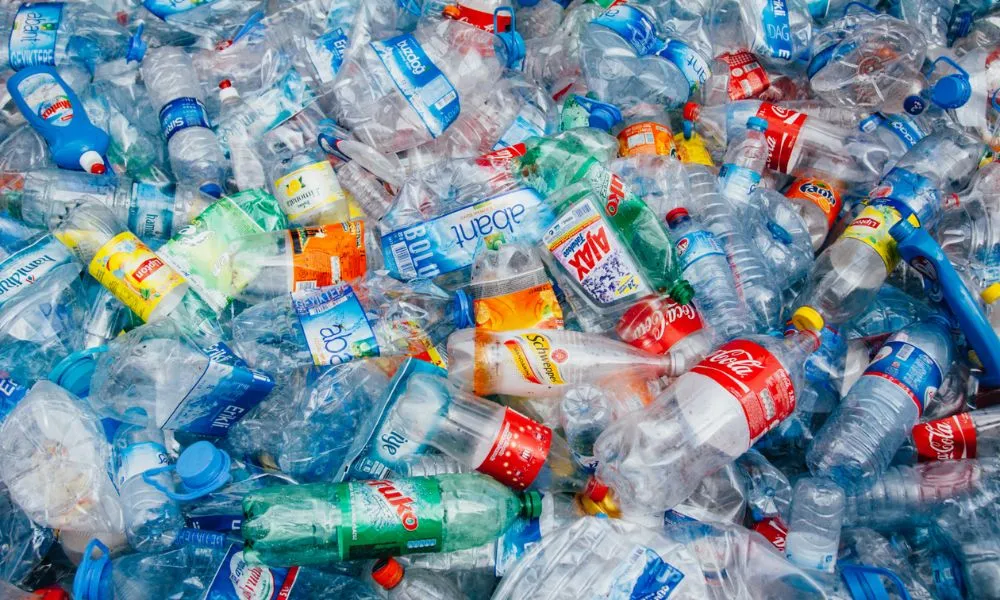
Despite this potential, plastic recycling in Europe faces significant challenges. Fragmented markets for recycled materials, high energy costs, volatile prices for virgin plastics and unfair competition from third countries have already led to reduced capacity and financial losses for EU recyclers. These trends risk undermining both the EU’s circular economy targets and its industrial competitiveness.
Tackling market fragmentation
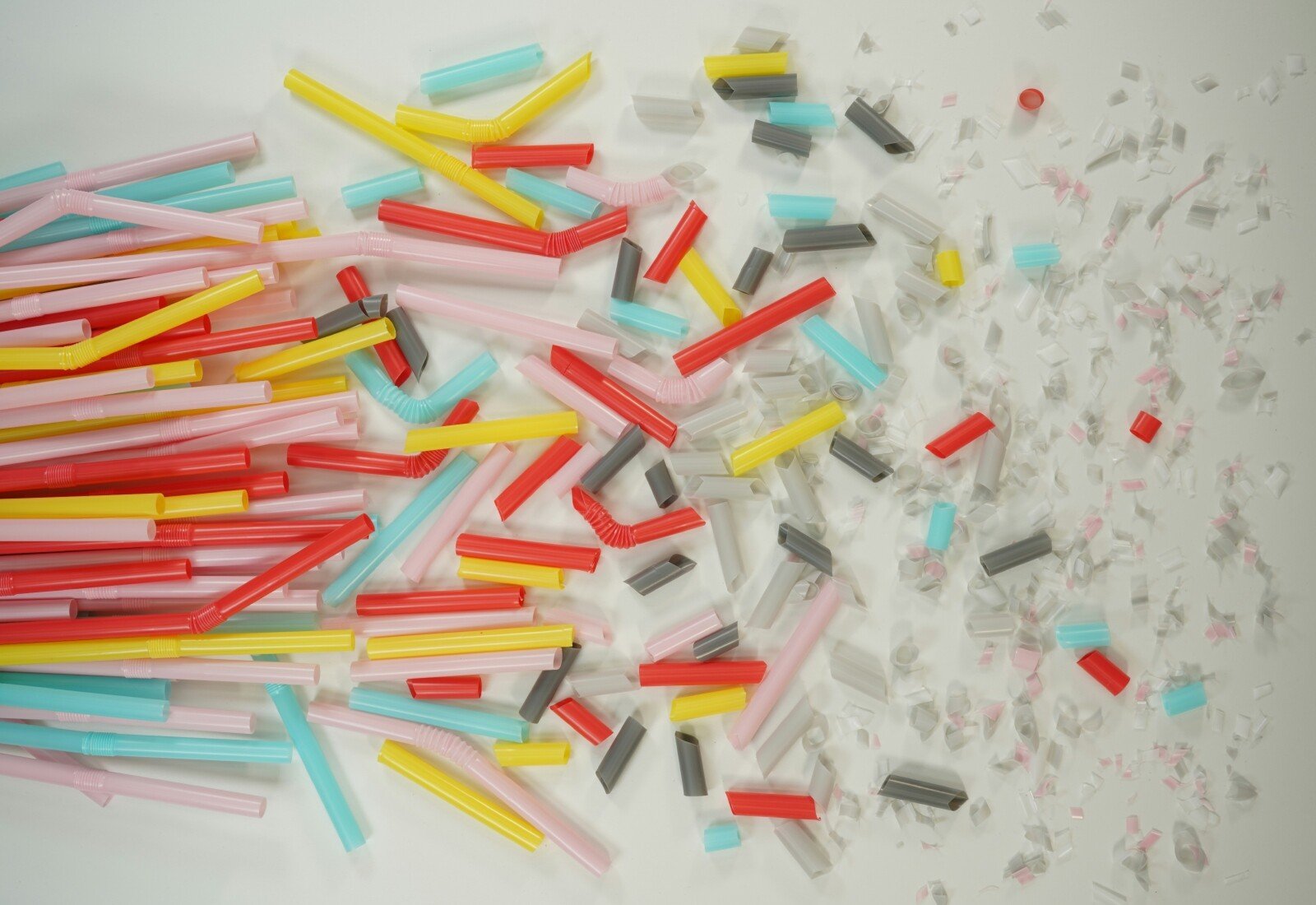
A key focus of the new package is the lack of harmonised EU-wide rules governing recycled plastics, which has resulted in a fragmented internal market.
To address this, the Commission has presented a draft implementing act establishing EU-wide end-of-waste criteria for plastics under the Waste Framework Directive. These criteria define when recycled plastics can once again be considered products rather than waste, a move intended to simplify administrative procedures, particularly for small and medium-sized enterprises, and ensure a stable supply of high-quality recycled materials across Europe.
The draft act has been opened for public feedback until 26 January 2026, ahead of its final adoption.
Recycled content rules for plastic bottles
The Commission has also put forward an implementing act for approval by Member States concerning the recycled content of PET single-use plastic beverage bottles, under the Single-Use Plastics Directive.
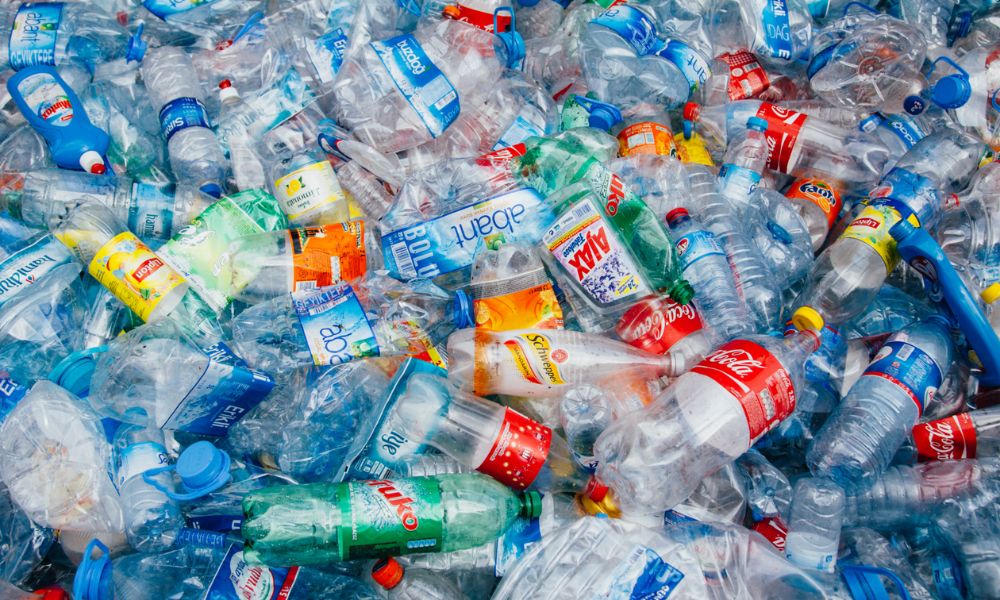
The proposed rules would clarify how chemically recycled plastics can contribute to EU recycling targets, alongside mechanical recycling, provided certain conditions are met. This clearer regulatory framework is expected to improve legal certainty and unlock investment in chemical recycling technologies across the EU.
Relaunching the Circular Plastics Alliance
As part of the package, the Commission plans to relaunch and strengthen the Circular Plastics Alliance, positioning it as a structured and inclusive platform bringing together industry stakeholders, Member States and EU institutions.
The aim is to better coordinate efforts across the plastics value chain, identify shared priorities and jointly address challenges affecting both competitiveness and circularity in the sector.
Ensuring fair competition
To improve enforcement and address unfair competition, the Commission will introduce separate customs codes for virgin and recycled plastics. This measure will help customs and market surveillance authorities better monitor imports and ensure compliance with EU rules.
In parallel, the Commission will step up monitoring of EU and global markets for both virgin and recycled plastics. The findings will inform potential trade measures, with a review of progress planned for 2026.
Supporting investment and innovation
The Commission will expand support for circular economy projects through closer cooperation with national promotional banks and the European Investment Bank.
It will also pilot a Competitiveness Coordination Tool to support Trans-Regional Circularity Hubs, encouraging smart specialisation and cross-border cooperation to scale up recycling and other circular practices.
Evaluating the Single-Use Plastics Directive
Alongside the new measures, the Commission has launched a public consultation and call for evidence to evaluate the impact of the Single-Use Plastics Directive. The assessment will examine how effectively the Directive has reduced environmental and health impacts, while promoting a more circular and innovative economy.
The consultation will remain open until 17 March 2026.
Although the EU is a global leader in circular economy policy, progress has been gradual. In 2024, just 12.2% of materials used in the EU came from recycled sources, compared with 11.2% in 2015.
To meet objectives set out in EU legislation, as well as in initiatives such as the Competitiveness Compass, the Clean Industrial Deal and the REsourceEU action plan, structural barriers to circular practices must be removed.
The Commission has set the goal of making the EU a global leader in the circular economy by 2030. The forthcoming Circular Economy Act, due by the end of 2026, is expected to play a central role in achieving this by improving supply and demand for recycled materials within the Single Market.
The new package delivers on commitments made by Ursula von der Leyen in her September 2025 State of the Union address, marking a concrete step towards a more resilient, competitive and resource-efficient European economy.