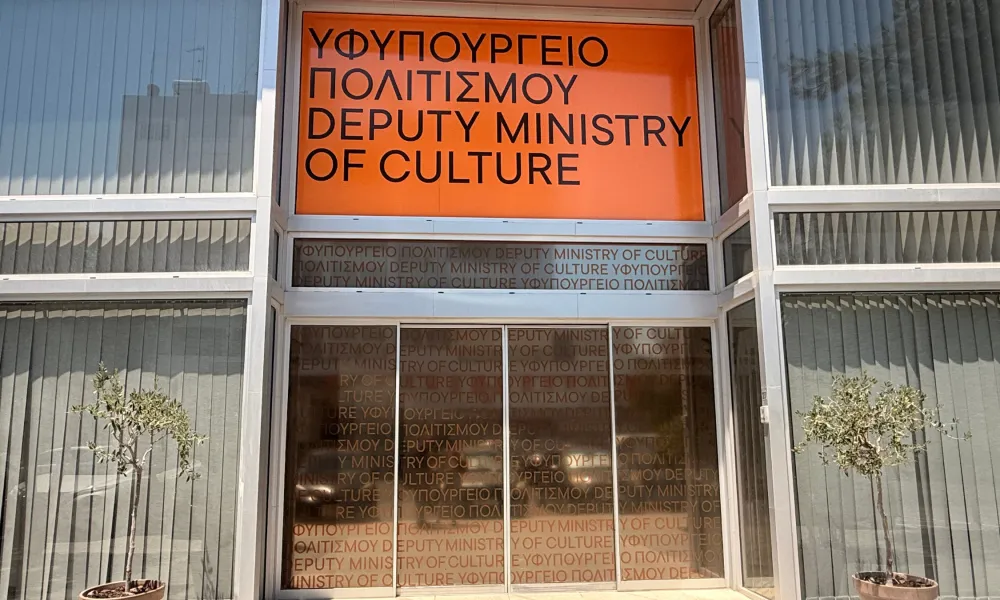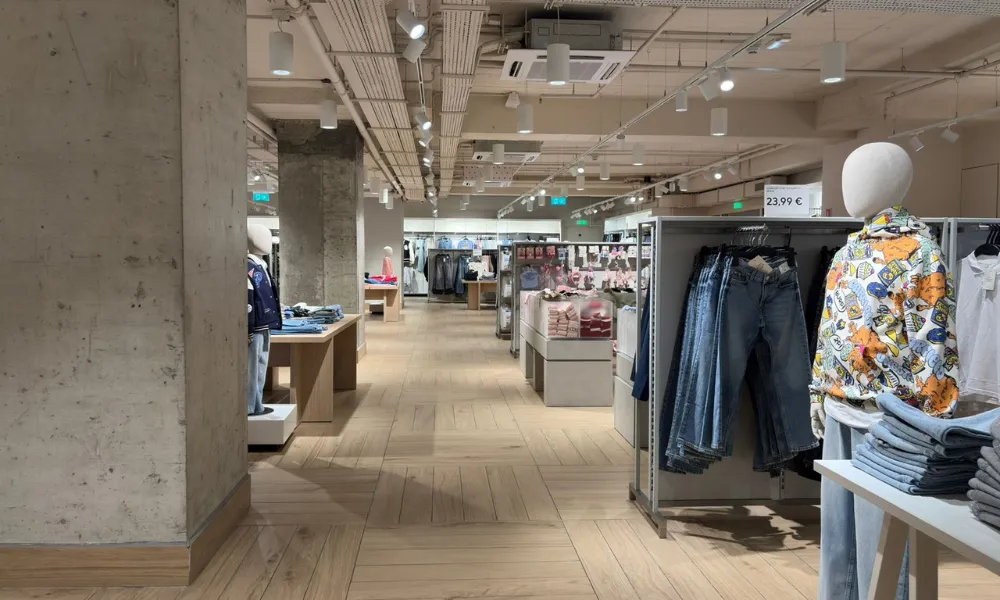

An attempt to locate civil defence shelters in Limassol’s town centre revealed that identifying the nearest shelter may not be as straightforward as many residents assume.
Several locations where shelters are shown to exist on the SafeCY app were difficult to identify from the street, with little or no visible signage indicating their presence. In other cases, shelters could eventually be located but at the the same time were not visible on the map.

The map registers the user's location and shows the nearest shelters. The first attempt to locate a shelter via the app was at 'Aneksartesias 117':

In this case, the address 'Aneksartesias 117' belongs to a clothing store with the sign number nowhere to be found either around or inside the building:
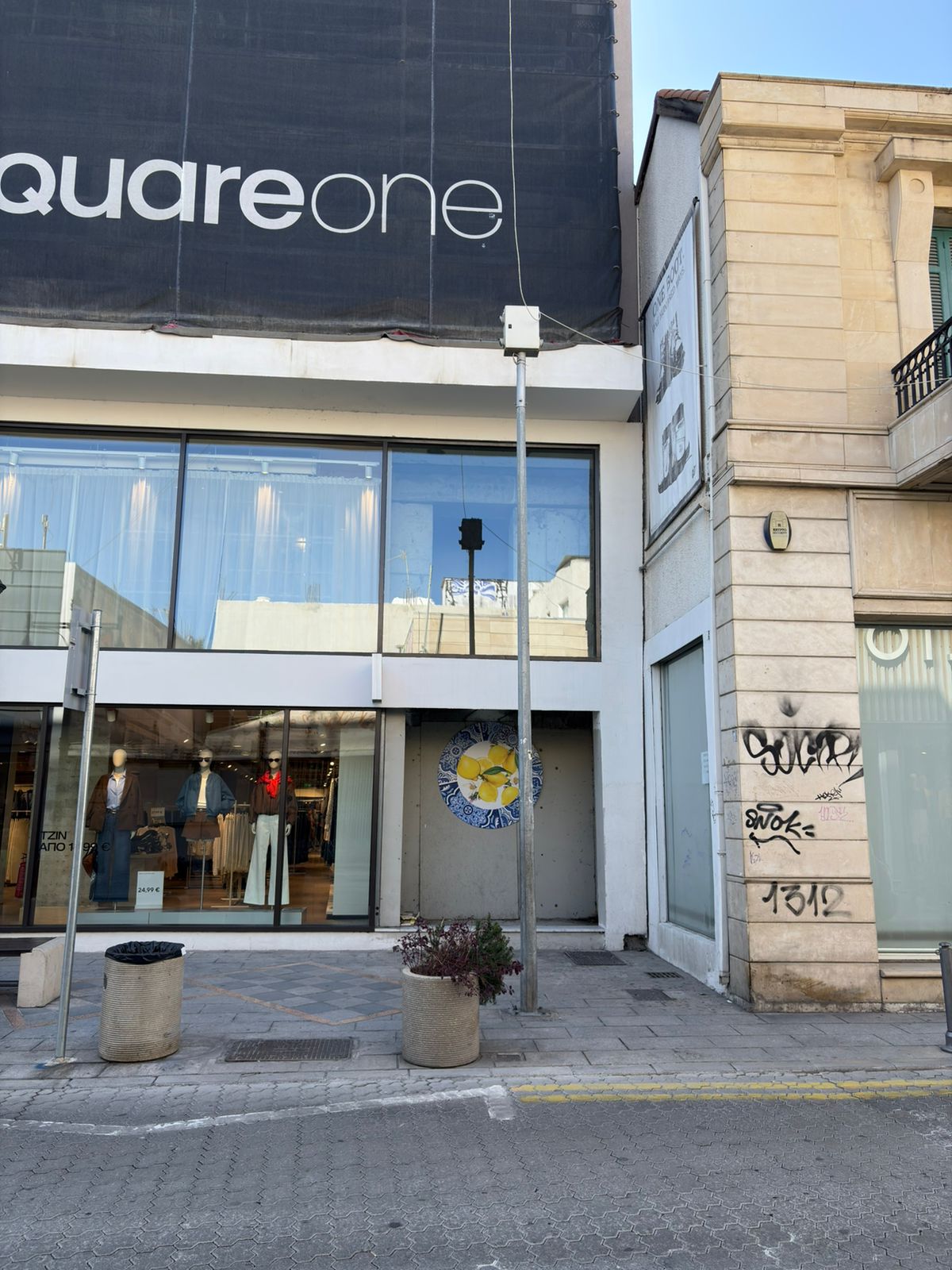

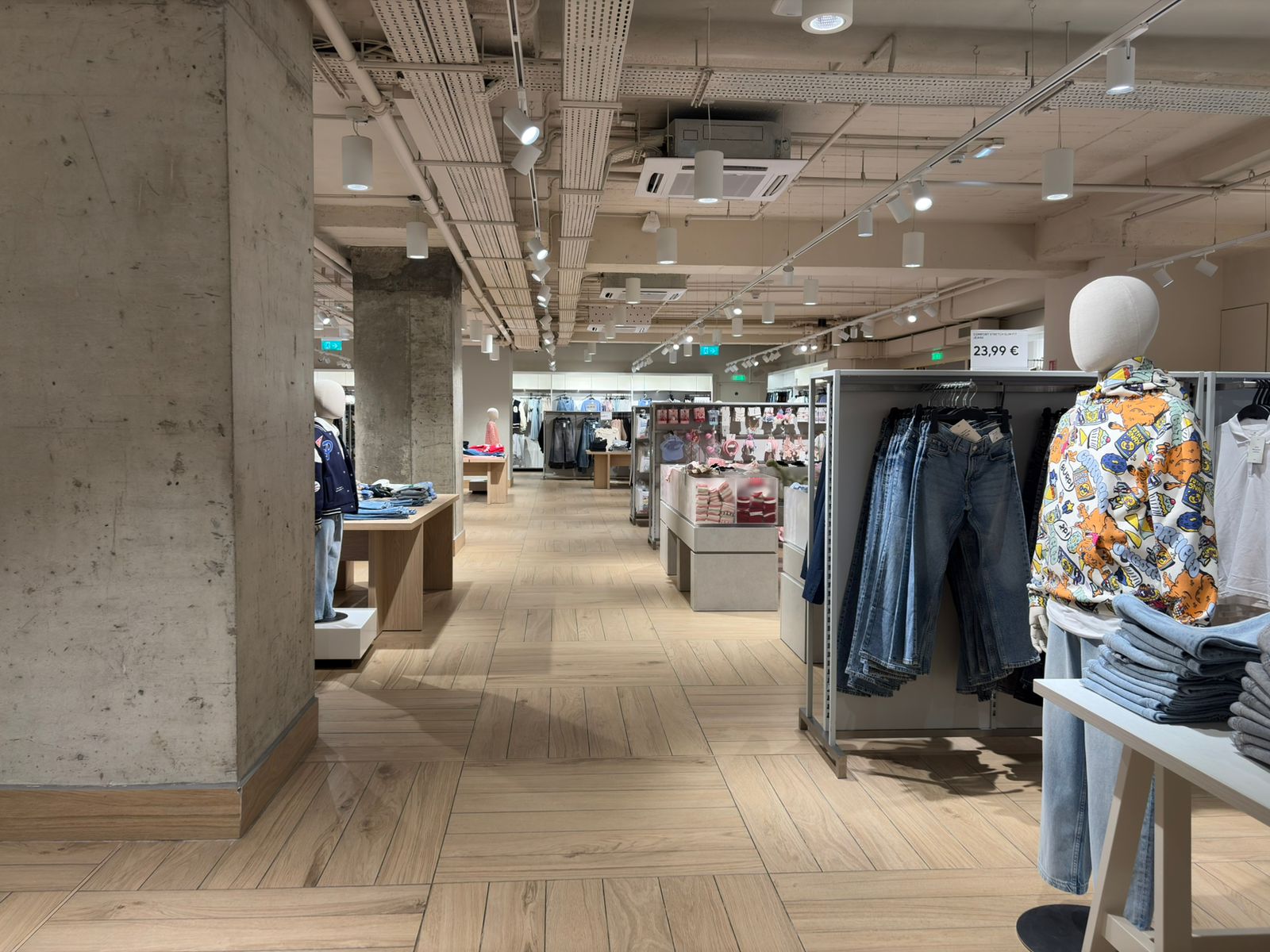
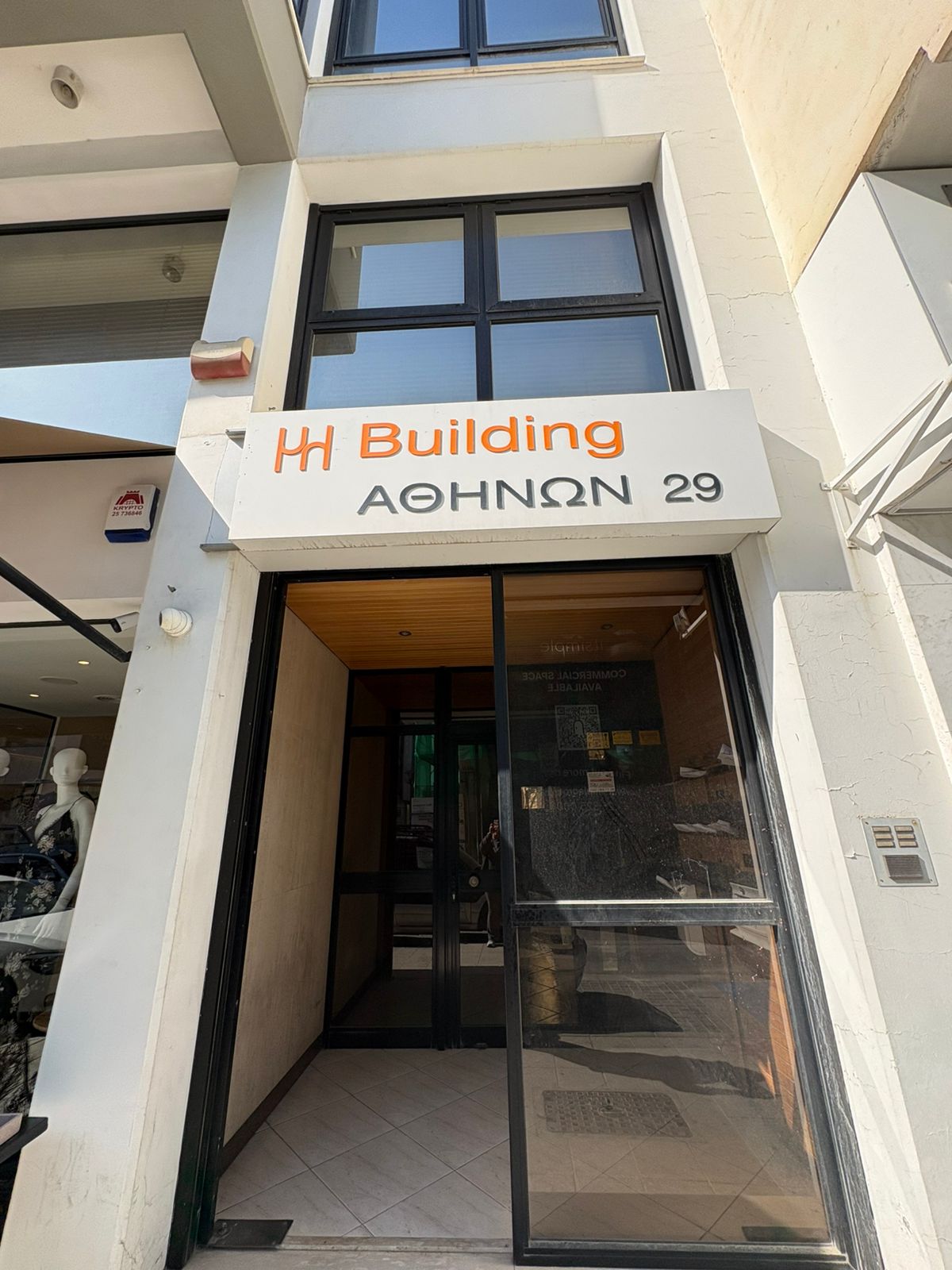
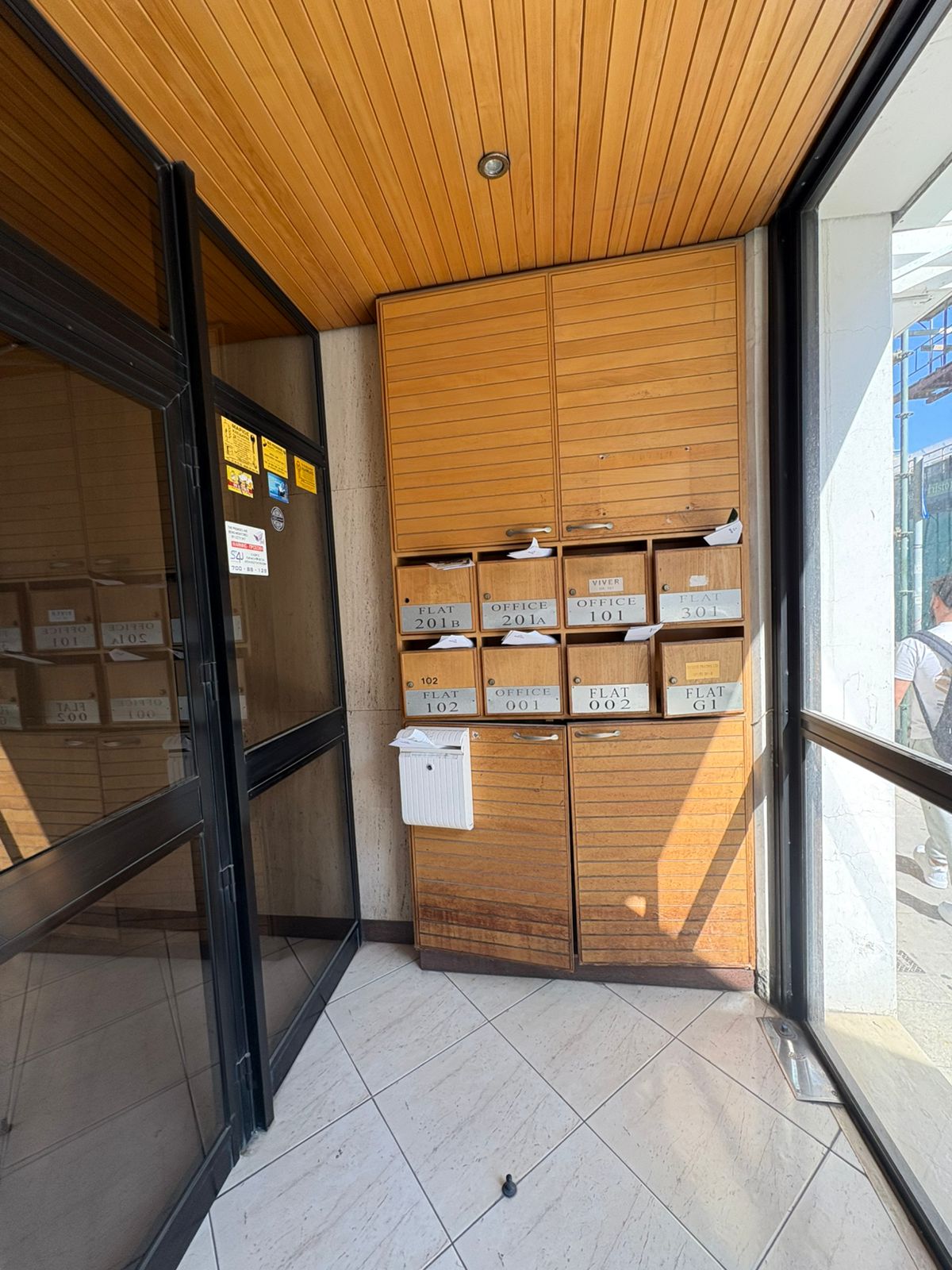
The second nearby location was at 'Athenon 29'. Locating the sign or the exact location of the shelter proved equally difficult. The entrance of the building included no Civil Defence sign with the building itself not equiped with a basement.

Civil Defence shelters are intended to provide protection for civilians in the event of emergencies such as air raids or other security threats. Their effectiveness depends not only on their existence but also on whether the public can quickly locate them.
Much of the country’s shelter network was created by designating existing basements in residential and commercial buildings rather than constructing purpose-built bunkers. Public guidance focuses mainly on how citizens should use shelters, advising people to identify the nearest location in advance and bring essential items such as water, medication, a torch and basic supplies if instructed to move there.
Many shelters are located on private property, with owners responsible for basic cleanliness and accessibility, while Civil Defence maintains specialised safety features and carries out inspections to identify deficiencies. Speaking to Politis to the point, Civil Defence Spokesperson Panayiotis Liasides clarified that in the event of an emergency, the owners of these properties will have 24 hours to prepare the shelters for public use.
During the search in central Limassol, multiple buildings with basements or underground areas showed no indication that they housed designated shelters. Without prior knowledge of the location, it would be difficult for someone passing through the area to identify them as such.

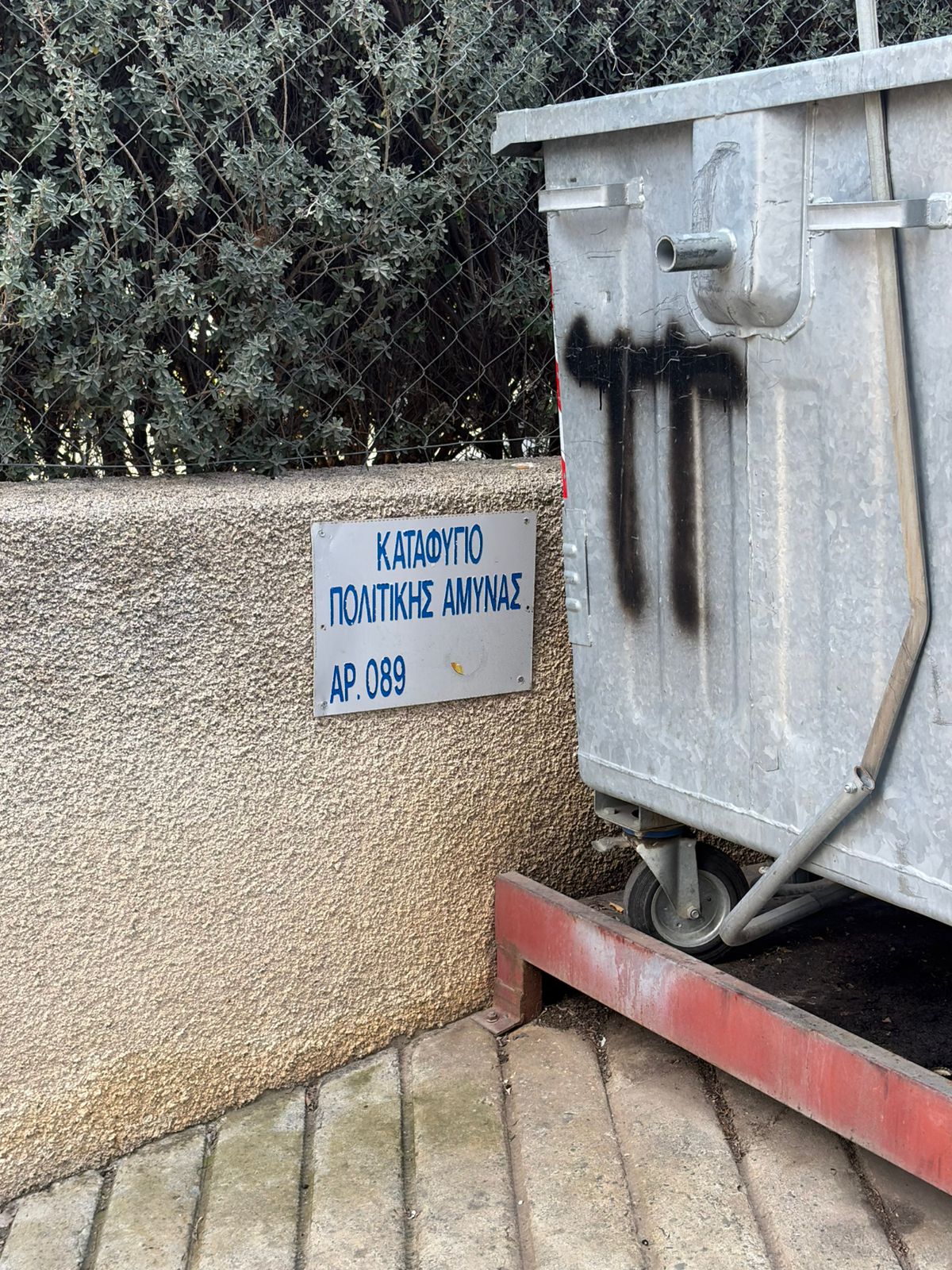
In the case of 'Gladstonos 69', the sign number 0045 did not appear to be the one asigned to the building belonging to this adress. Instead number 089 was visible on the side:
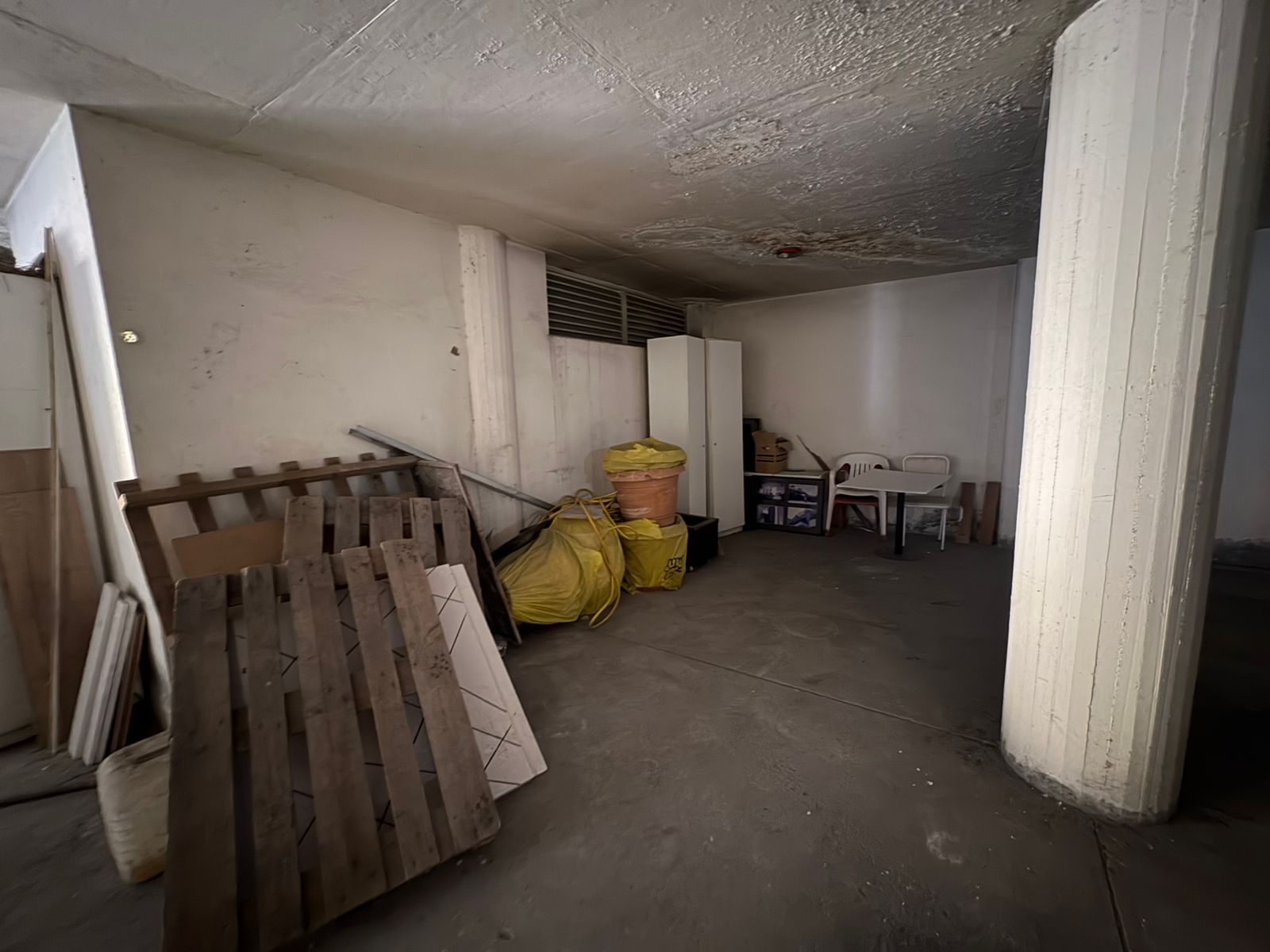
The basement in this case appeared poorly maintained, with visible dirt and signs of neglect making it hard to imagine that this designated area is intended as a potential sheltering space.
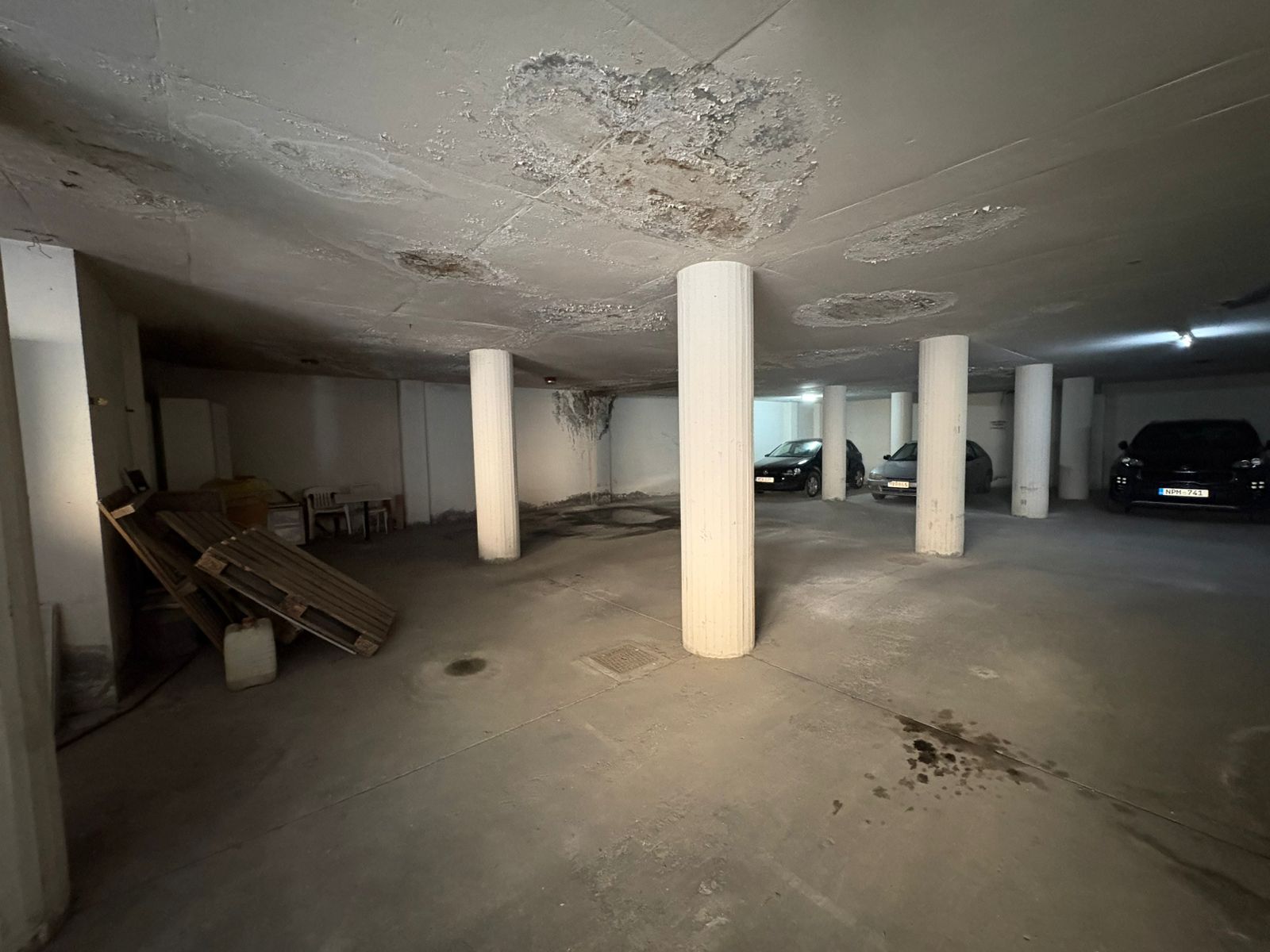
In other cases, while the condition of the interior spaces could not be verified, the external appearance raised questions about maintenance and whether the facilities are regularly inspected.
The difficulty in locating shelters also points to a broader issue of public awareness. Although civil defence authorities maintain lists of shelters across Cyprus, these are not always easily identifiable. Politis to the point attempted to verify with Civil Defence personnel yesterday whether the locations shown on the map were correct in several cases, but received no response.
In densely built areas such as Limassol’s town centre, where large numbers of residents, workers and visitors move through the area daily, the ability to quickly identify a nearby shelter may prove critical during an emergency.
The arrangement appears to rely on the assumption that emergencies will arrive with prior notice.