
The European Union’s top diplomat has warned that involvement in the escalating conflict with Iran risks becoming prolonged and difficult to disengage from.
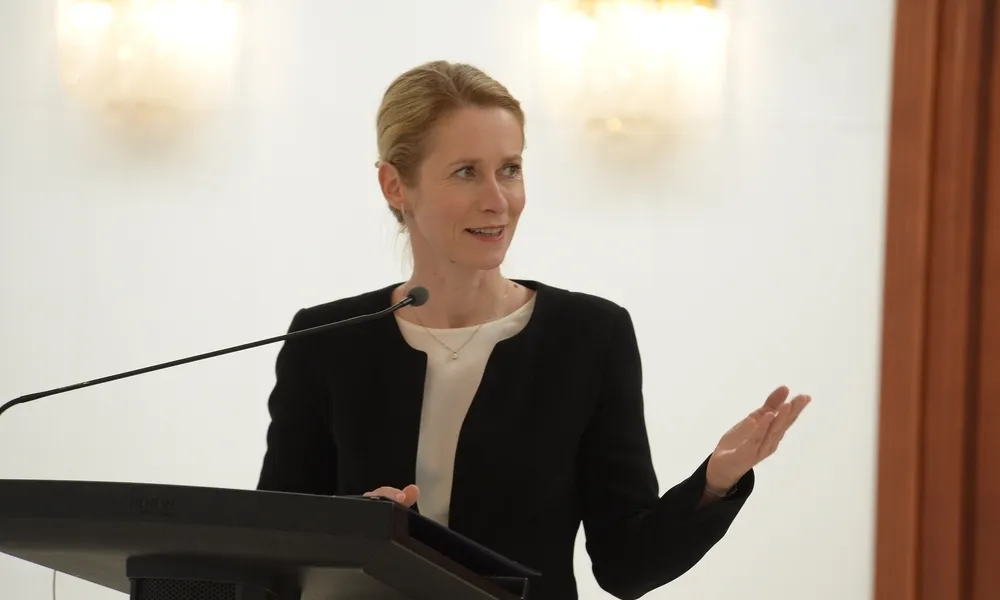
Speaking during a European Council summit in Brussels, High Representative for Foreign Affairs and Security Policy Kaja Kallas cautioned EU leaders against being drawn into a broader war led by the United States and Israel.
According to diplomats briefed on the closed-door discussions, Kallas told leaders that “starting war is like a love affair — it is easy to get in and difficult to get out.”
Reluctance to expand military role
Kallas stressed the need for the EU to safeguard its strategic interests in the region, but indicated there is limited support among member states for expanding military involvement.
In particular, she pointed to a lack of appetite for extending the mandate of the EU’s Aspides naval mission, which is currently focused on securing shipping routes in the Red Sea.
The remarks come as Washington has called on European allies, including France, Germany and the United Kingdom, to contribute to escort operations for civilian vessels in the Strait of Hormuz.
Energy pressure shapes EU stance
The debate over potential involvement comes against the backdrop of mounting energy concerns, after Iran moved to close the Strait of Hormuz, a key global shipping route.
The disruption has led to a sharp increase in oil and gas prices, with tankers carrying supplies from major exporters such as Saudi Arabia and Qatar left stranded.
The developments have intensified pressure on European leaders to balance security commitments with economic stability.
Trump urges allies to step in
US President Donald Trump has publicly urged allied countries to take greater responsibility in securing the strategic waterway.
In a post on Truth Social, he suggested that countries reliant on the route should assume a larger role in its protection, criticising what he described as “non-responsive” allies.
EU weighs risks of escalation
Kallas’ intervention reflects growing concern within the EU over the risks of deeper entanglement in a rapidly expanding conflict.
While maintaining support for regional stability and freedom of navigation, European leaders appear cautious about committing to actions that could further escalate tensions or draw the bloc into a prolonged military engagement.
Source: Politico