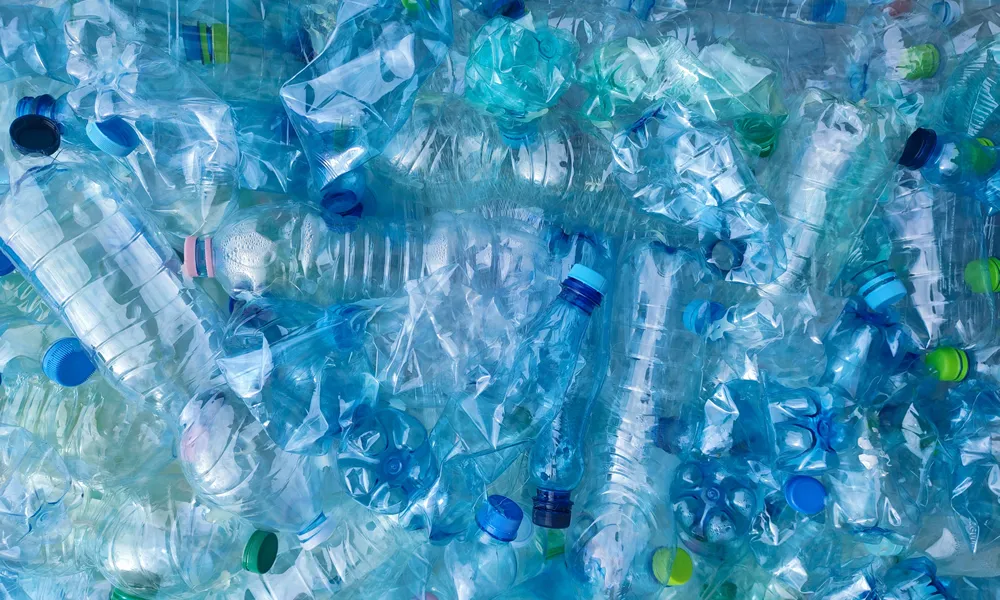



Cyprus has the second highest consumption of single-use plastic bottles in the European Union, according to the European Commission's first report on the implementation of the Single-Use Plastics Directive (SUPD), published last week.
At 16.6 bottles per capita, Cyprus far exceeds the European average and is surpassed only by Malta, which recorded 22.8 bottles per person. The figures are based on 2022 data and represent the first EU-wide comparative baseline produced under the directive.
The island's separate collection rate tells a similarly poor story. Cyprus collects just 45.62% of single-use beverage bottles separately, against an EU average of 71%. Member states including Poland, Finland, Germany and Denmark have already met the 2025 target of 77%, and several have reached the 2030 target of 90%. The common denominator among top performers is the existence of a deposit return scheme, where consumers receive a small cash refund when they return a bottle to a collection point.
Cyprus has been in the process of designing such a system for years. In 2023, the Ministry of Environment held stakeholder consultations on draft regulations, but the regulatory framework has not been finalised and implementation remains pending. Austria launched its scheme on 1 January 2025; Poland followed in October of the same year. Greece is also targeting full operability in 2026.
Green Dot Cyprus has long identified plastic bottles, metal packaging and drink cartons as the weakest link in the country's recycling chain, noting that these items are routinely discarded in general waste rather than recycling bins.
Under the SUPD, member states are required to separately collect 77% of single-use plastic bottles by 2025 and 90% by 2029. Countries that fail to reach the latter target by other means will be required to introduce a deposit return scheme by 1 January 2029.
With the 2025 target already missed and 2029 approaching, the window for a voluntary solution is narrowing.
Source: European Commission, First Report on the Implementation of the Single-Use Plastics Directive. Available at: environment.ec.europa.eu