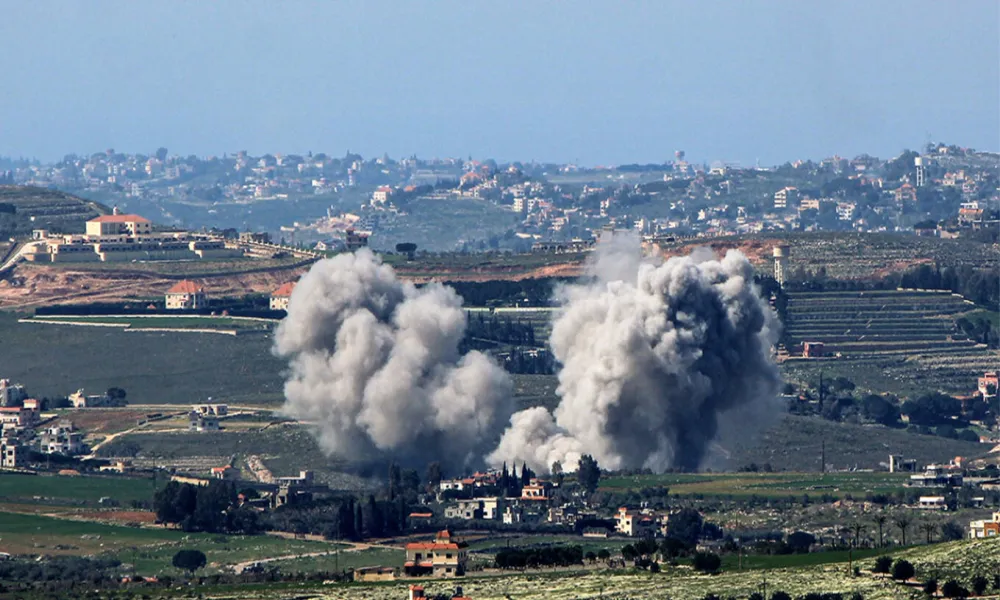
Trump wrote on social media that the US military “hasn’t even started destroying what’s left in Iran,” adding that “bridges next, then electric power plants,” signalling a potential escalation in the nearly five-week-long conflict.
The remarks came after a prime-time address earlier in the week in which Trump warned that heavier strikes could take place within the next two to three weeks. The comments triggered sharp reactions from Tehran and contributed to volatility in global energy markets.
Iran’s Foreign Minister Abbas Araqchi rejected the threat, stating that attacks on civilian infrastructure “will not compel Iranians to surrender.”
According to Iranian state media, a US strike on a newly constructed bridge between Tehran and the nearby city of Karaj killed eight people and injured 95 others. The bridge had been scheduled to open later this year.
Meanwhile, more than 100 American international law experts warned in a public letter that recent military actions and statements by US officials raise “serious concerns” about possible violations of international humanitarian and human rights law, including potential war crimes.
Fighting across the region continued with no sign of easing. Kuwait Petroleum Corporation reported that drones struck its Mina al-Ahmadi refinery, causing fires at operating units, while Saudi Arabia’s defence ministry said its air defences intercepted seven drones.
Iranian media also reported a drone strike on a Red Crescent relief warehouse in Bushehr province, destroying two containers.
Tensions have intensified around the Strait of Hormuz, a strategic maritime passage that normally carries around one-fifth of the world’s oil trade. The waterway has been largely disrupted since Iran began targeting tankers and Gulf infrastructure in response to the US-Israeli assault that started on 28 February.
A virtual meeting chaired by the United Kingdom and attended by representatives from around 40 countries examined options to restore freedom of navigation through the strait, but no agreement was reached.
The United Nations Security Council is expected to vote on a resolution proposed by Bahrain aimed at protecting commercial shipping in the area. China has already signalled opposition to any authorisation of force, warning such a move would lead to further escalation.
The European Union’s foreign policy chief Kaja Kallas also rejected Iran’s proposal for ships to obtain permits to transit the waterway, stating that international law does not recognise “pay-to-pass” arrangements.
Energy disruptions are already causing shortages in parts of Asia and analysts warn the impact could soon reach Europe. A report by two UN agencies warned that the economic shock could trigger a wider cost-of-living crisis across parts of Africa.
According to humanitarian organisations, thousands of people have been killed and tens of thousands injured across the Middle East since the war began, while medical needs continue to rise sharply.