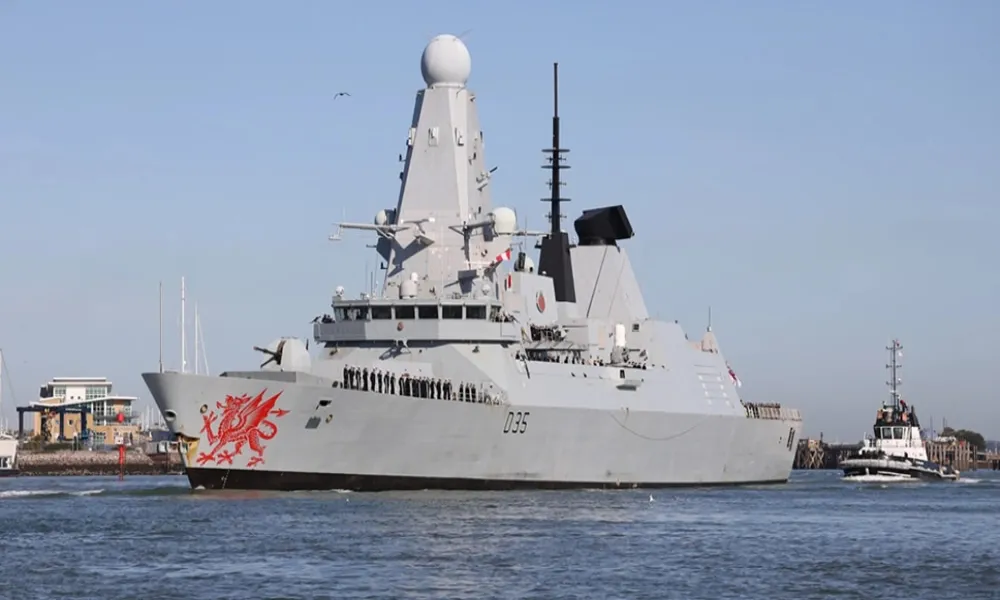

HMS Dragon, the Royal Navy destroyer deployed to defend the British Sovereign Base Areas in Cyprus, has docked for what the British Ministry of Defence described as a "routine logistics stop" and "short maintenance period" after a minor fault was detected in its onboard water system.
The ship, which arrived in the eastern Mediterranean following a drone attack on RAF Akrotiri in early March, will undergo repairs before returning to active patrol. The Ministry of Defence said HMS Dragon "will remain at a very high level of readiness during this period, able to sail at short notice if required." Crew members, approximately 200 in total, have continued to have access to water, catering and shower facilities throughout.
One of Britain's most capable warships
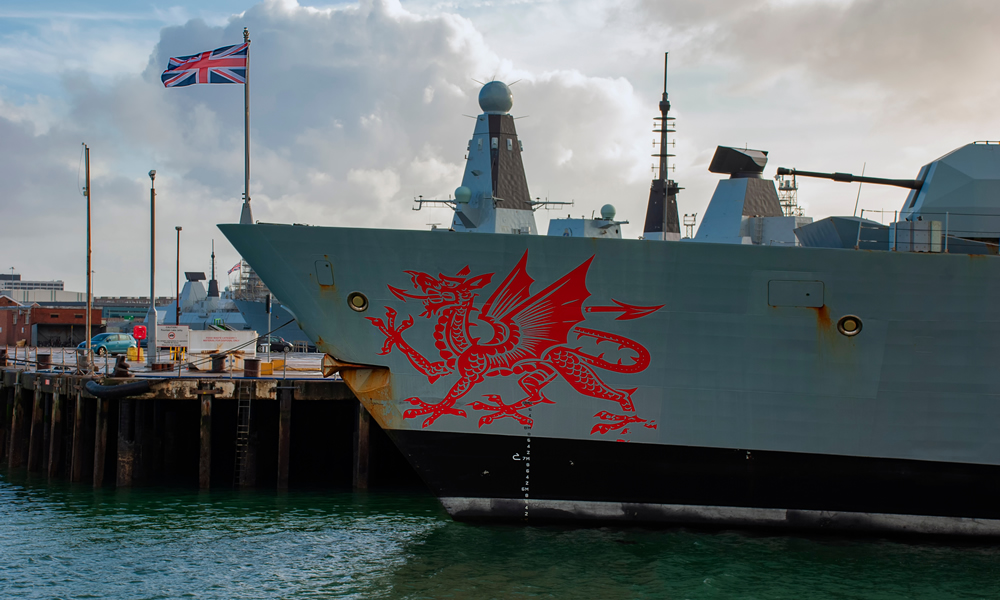
HMS Dragon is one of six Type 45 destroyers in the Royal Navy fleet, purpose-built for anti-aircraft and anti-missile warfare. The ship can track hundreds of targets simultaneously and is equipped with a Sea Viper missile system capable of launching eight missiles in under 10 seconds, making it among Britain's most advanced surface vessels.
The destroyer left Portsmouth on 10 March, seven days after Prime Minister Sir Keir Starmer announced its deployment. Its mission was prompted by a strike on RAF Akrotiri earlier that month using an Iranian-made drone, the first such attack on a British military installation linked to the conflict.
Political pressure mounts at home
The technical issue with HMS Dragon comes as the British government faces sustained criticism over the pace and scale of its response to the Middle East conflict. President Donald Trump, in a post on Truth Social last month, accused Starmer of seeking to "join wars after we've already won," as the United States and Israel continued strikes against Iran. At a White House Easter lunch last week, Trump told guests he had asked the UK to send "two old, broken down aircraft carriers" to the region, claiming Starmer said he would need to consult his team first.
Starmer has maintained that Britain will not be "dragged into the war" and has restricted the UK's involvement to defensive operations. Conservative Party leader Kemi Badenoch also criticised the prime minister last month, saying the government's response had been inadequate given Britain's military presence in the region. "We have put bases in other people's countries, and those countries are saying we're not doing enough to help them," Badenoch said. "I think that's absolutely shocking."
Reinforcements and regional operations
In a separate operational update on Tuesday, the British Ministry of Defence confirmed that RAF Regiment gunners operating in a "high threat area" had shot down an Iranian drone overnight. Two additional Merlin Crowsnest helicopters have also been deployed to military bases in Cyprus, adding airborne surveillance and tracking capabilities to the British presence on the island. UK Typhoon and F-35 jets have continued defensive missions across the region, supported by Voyager refuelling aircraft and Royal Navy Merlin and Wildcat helicopters.
The Strait of Hormuz, the narrow waterway between Iran, the UAE and Oman through which a significant share of global oil passes, remains a central concern. Threats of Iranian attacks on shipping in the strait have already pushed oil prices higher. Britain will host a multinational military planning conference on Tuesday to discuss the strait, which officials said will "explore appropriate measures for an international coalition when hostilities have ceased."
Source: BBC