
1745: Irish author Jonathan Swift, who wrote the novel Gulliver’s Travels, dies.
1813: Napoleon Bonaparte is defeated by the forces of the Sixth Coalition (Prussia, Russia, Great Britain, Austria, Sweden and the German States) at the Battle of Leipzig, also known as the Battle of the Nations.
1862: Auguste Lumière, creator of the first film in the history of cinema, is born.
1904: The Russo-Japanese War begins.
1909: Cesare Lombroso, the Italian psychiatrist and founder of the science of criminology, dies.
1912: The Battle of Giannitsa, one of the most important battles of the First Balkan War, begins. The Greek army’s decisive victory in this battle opened the road to Thessaloniki the following day.
1931: Renowned spy novelist John le Carré is born.
1943: American postgraduate student Albert Schatz discovers streptomycin, the first antibiotic used to fight tuberculosis.
1972: The EEC summit opens in Paris, where it is decided to create the European monetary unit from 1 April 1973.
1989: The most serious nuclear accident since Chernobyl occurs near the city of Tarragona in Spain, although no radioactive leak results.
1991: In Peru, charges of illicit enrichment are brought against Alan García, who served as the country’s President from 1985 to 1990.
1993: The arrival of Queen Elizabeth II in Cyprus to open the Commonwealth Heads of Government Meeting sparks reactions.
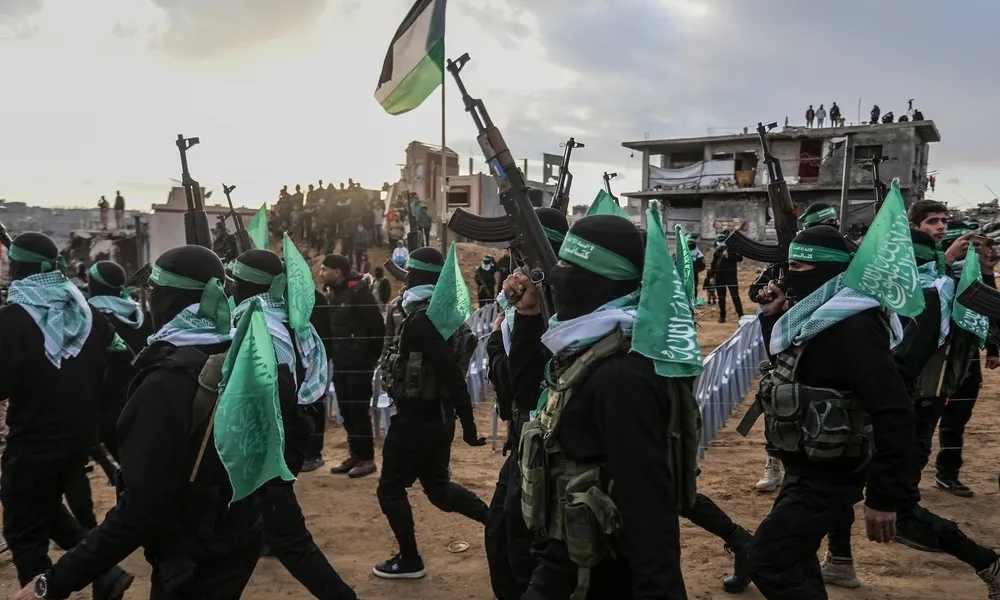
1994: In Israel, the Islamist group Hamas blows up a bus in central Tel Aviv, killing 22 people.
1997: In Britain, 70 soldiers file a lawsuit against the Ministry of Defence, alleging violence and sexual abuse during initiation ceremonies in the armed forces.
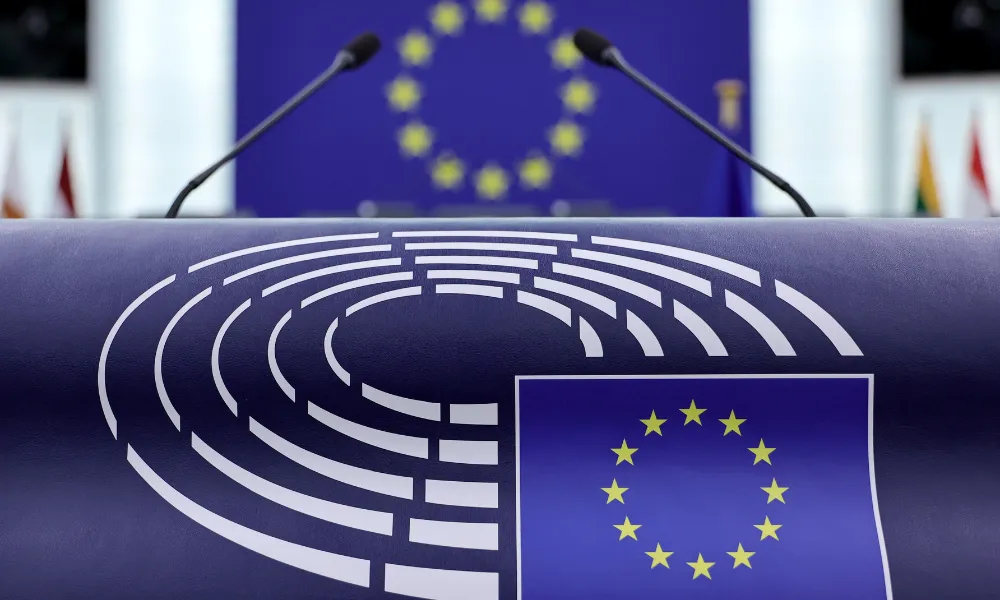
2002: Ireland holds a second referendum on the Treaty of Nice. Europe breathes a sigh of relief as 62.9% of Irish voters give the green light to the enlargement of the European Union.
2005: The trial of Saddam Hussein begins in Baghdad.
2007: A bomb at a shopping centre in Makati, in the Philippines, kills 11 people.