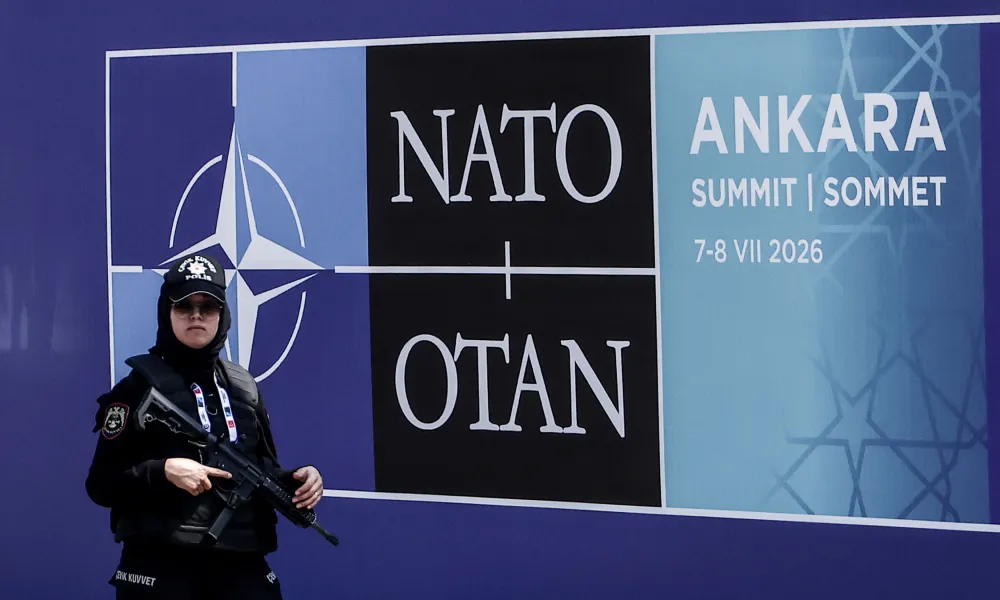

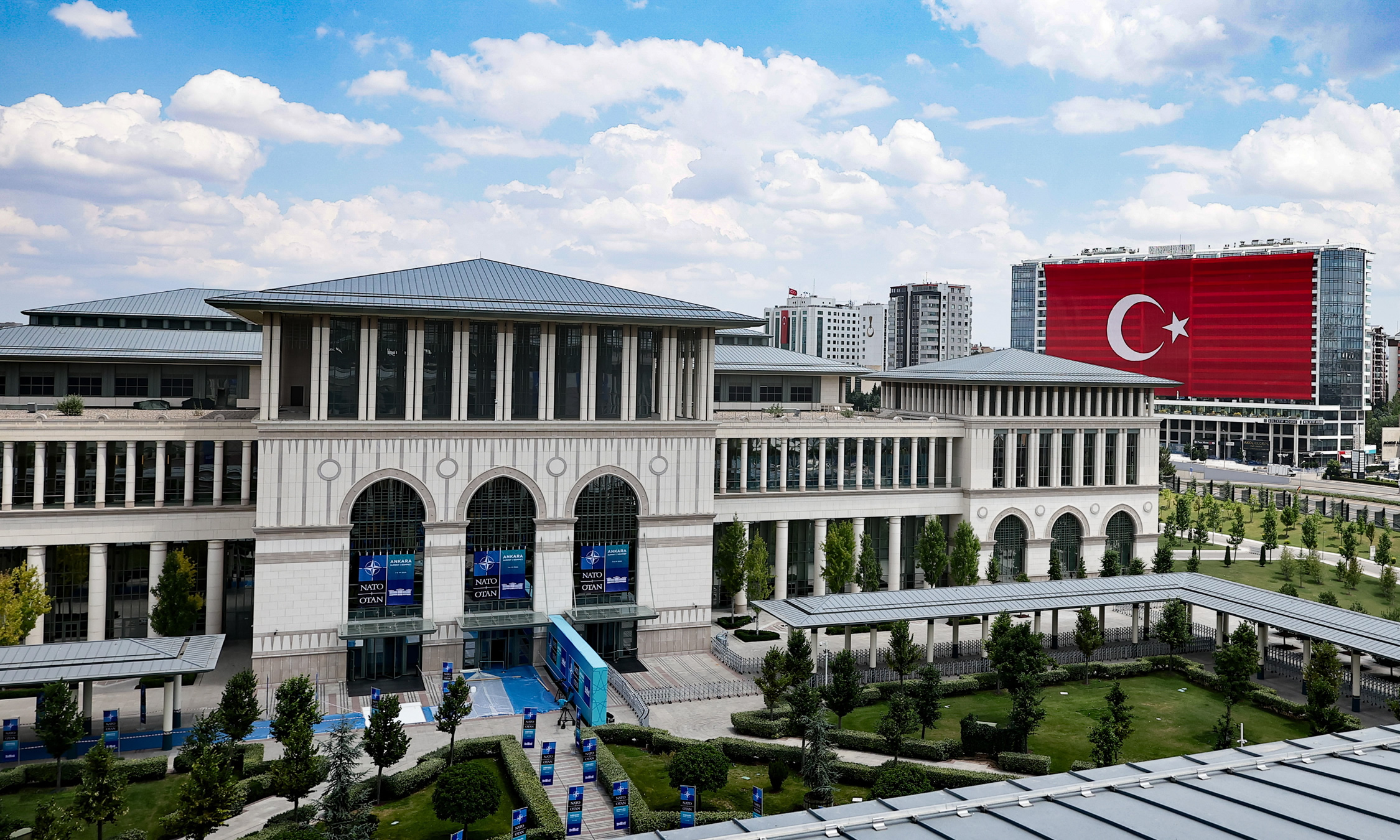
The NATO summit kicks off on Tuesday in Ankara with US President Donald Trump and his travelling White House entourage expected to take the limelight.
Over two days, the 32 members of the North Atlantic Alliance will focus on burden-sharing, defence investment and production, and support for Ukraine.
However, on the sidelines of the summit on Wednesday, Presidents of the European Council and Commission, António Costa and Ursula von de Leyen, plan to discuss EU-Turkey relations and efforts to resolve the Cyprus dispute in a meeting with Turkish President Recep Tayyip Erdoğan.
According to a European Council press release, “The current geopolitical context calls for strengthened dialogue and cooperation, based on shared interests and pragmatic steps.”
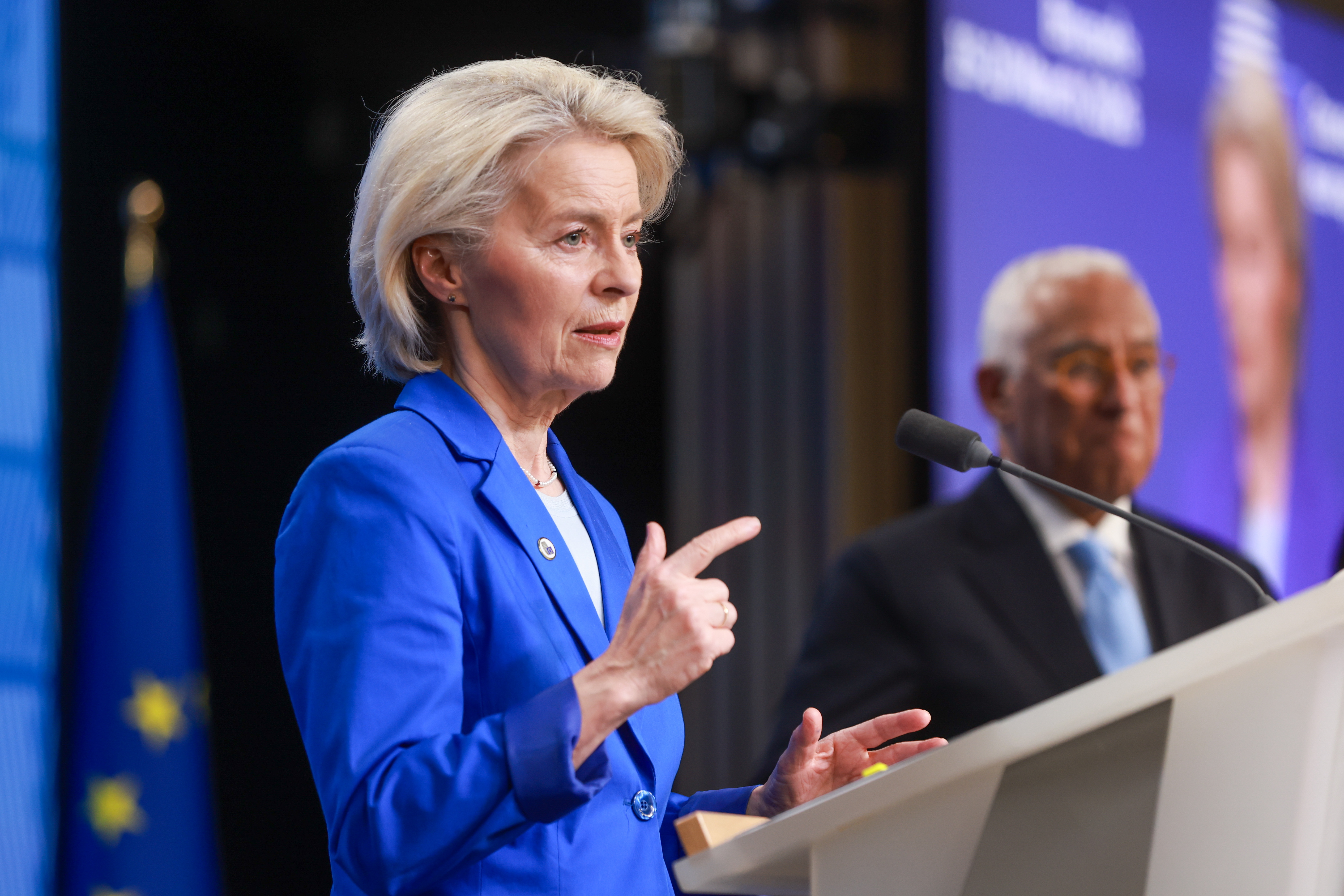
The EU Presidents will discuss with Erdoğan the implementation of a cooperation roadmap on political, economic and trade relations as set out in a Joint Communication in November 2023.
The EU is Turkey’s top trading partner while Turkey is the EU's 7th biggest trade partner. In 2022, the total trade between them amounted to €198.1 billion, representing 3.6% of the EU's total trade with the world.
Resolving Cyprus
“They will also discuss the regional situation, in particular the ongoing diplomatic efforts led by the United Nations Secretary-General to resolve the Cyprus dispute,” said the press release.
EU-Turkey relations are considered a key element of the current effort underway to resume peace talks on Cyprus that could ultimately lead to a comprehensive settlement.
Reliable sources have told Politis that UN Secretary-General António Guterres has been in contact with Council President Costa on the issue over the past few months.
Guterres has yet to announce a date for a new enlarged, 5+1 conference on Cyprus, though reports suggest it may take place end of July or early August. While the EU does not have a seat at the table, for now, the bloc’s importance and potential role in setting up the pieces for a resumption of negotiations is increasingly highlighted among those close to the process.
Turkey wants to see progress on a number of issues concerning relations with the EU – specifically on upgrading the EU-Turkey customs union, visa liberalisation and closer defence industry cooperation through participation in the EU’s SAFE mechanism.
In this light, the meeting takes place at an opportune moment before UN Personal Envoy María Ángela Holguín returns to the island for further contacts with the two leaders.
But it also brings a sharp focus on what exactly needs to be done for the talks to start but also conclude positively.
Known unknowns
It remains to be seen what Costa and von der Leyen can bring to the meeting with Erdoğan. What can they offer, given the complex decision-making nature of the EU? Do all member states agree on upgrading the customs union? Does this include extending its provisions to the Republic of Cyprus? Is Turkey prepared to change its anti-terror laws to pass a benchmark on visa liberalisation? Will Turkey lift its casus belli on the possible extension of Greece’s territorial waters, prompting Athens to lift its objection to Turkey’s participation in SAFE?
Assuming the EU chiefs have something to offer, what will they seek in return – a commitment to start talks? Phased progress in the talks in exchange for reversible steps forward in EU-Turkey relations? Or something else? What does Erdoğan want and what is he willing to do? Will his effort to run for office again in early elections have an impact on this effort? What are the Turkish Cypriot asks of the EU?
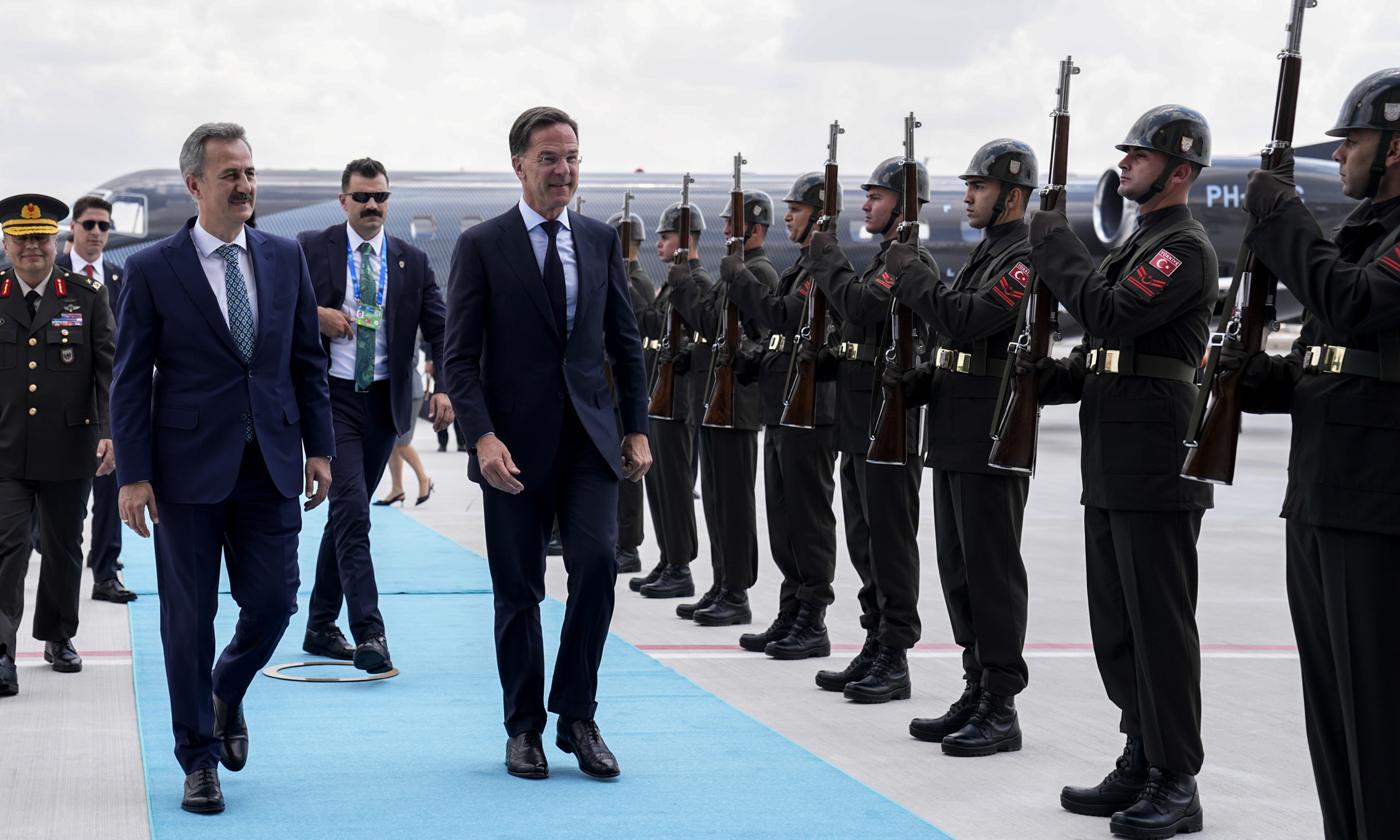
NATO Secretary General Mark Rutte (R) welcomed to Turkey ahead of summit. EPA/Osmancan Gurdogan
Politis recently reported on a number of ideas being floated about in various contacts on the peace effort, without this reaching the stage of fully-fledged proposals. One element being considered is the notion that NATO can play a role in any future settlement, as a means to address the highly emotive issue of security and guarantees. It is not clear whether this aspect will be raised by any of the political actors in Ankara this week.
Mood music
According to one former official involved in the Cyprus talks who did not wish to be named, the sense of pending momentum being reported on does not match the facts on the ground.
If things were truly unfolding in a manner leading to a resumption of talks that could reach the finish line, where is the preparation, asked the former official. Why are political leaders and the government not preparing the way, making the case for a settlement, speaking with the public, explaining in general terms the options before them? Greek Cypriot society has a deep sense of concern about what a settlement means, they added.
On reports of different ‘ideas’ circulating, including the notion of a ‘loose’ federation and phased implementation of an agreement, the former official said it was possible to align all the pieces of the puzzle in such a way, but it required a great deal of work and sophistication. Putting together a slow-motion settlement is incredibly complex, they said, wondering if somebody is doing that.
A critical element is to get the sides to address the details because “the devil is in the details”. Focusing only on the big picture opens the door to any one of the sides – well-versed in the details – to grind the process down, they added.
Bigger issues at play?
The former official questioned what alternatives the key actors involved might be pursuing, if they see that a settlement is not on the cards. They raised the possibility that bigger geopolitical concerns could be at play, such as European security. The EU might try to bring the Cyprus Republic and Turkey closer in a way that facilitates greater Turkish involvement in the European security architecture. Turkey might lift its objections to certain steps regarding the Cyprus Republic in exchange for a greater role in European security. But where does that leave the divided island?