
Fifty-two years after Turkish forces landed on Cyprus on 20 July 1974, the events of that summer remain a defining trauma for the island and a critical episode in Cold War geopolitics. The invasion, launched under the codename ‘Attila’, followed a week of rapid escalation triggered by a coup backed by Greece’s ruling military junta, but its roots stretched deeper into years of intercommunal tension, strategic rivalry and competing national ambitions.
From crisis to decision
The immediate catalyst came on 15 July 1974, when the Greek military regime in Athens orchestrated a coup against President Archbishop Makarios III, installing Nikos Sampson in his place. The move, executed by Greek officers commanding the Cypriot National Guard alongside local forces, sought to advance the long-standing objective of enosis, or union with Greece.
For Turkey, which had consistently opposed enosis and maintained that it had treaty-based rights as a guarantor power of Cyprus’ independence, the coup provided both justification and opportunity. According to Turkish sources, Prime Minister Bülent Ecevit, in consultation with military and political leaders, took the decision to proceed with an invasion on the very night of 15 July.
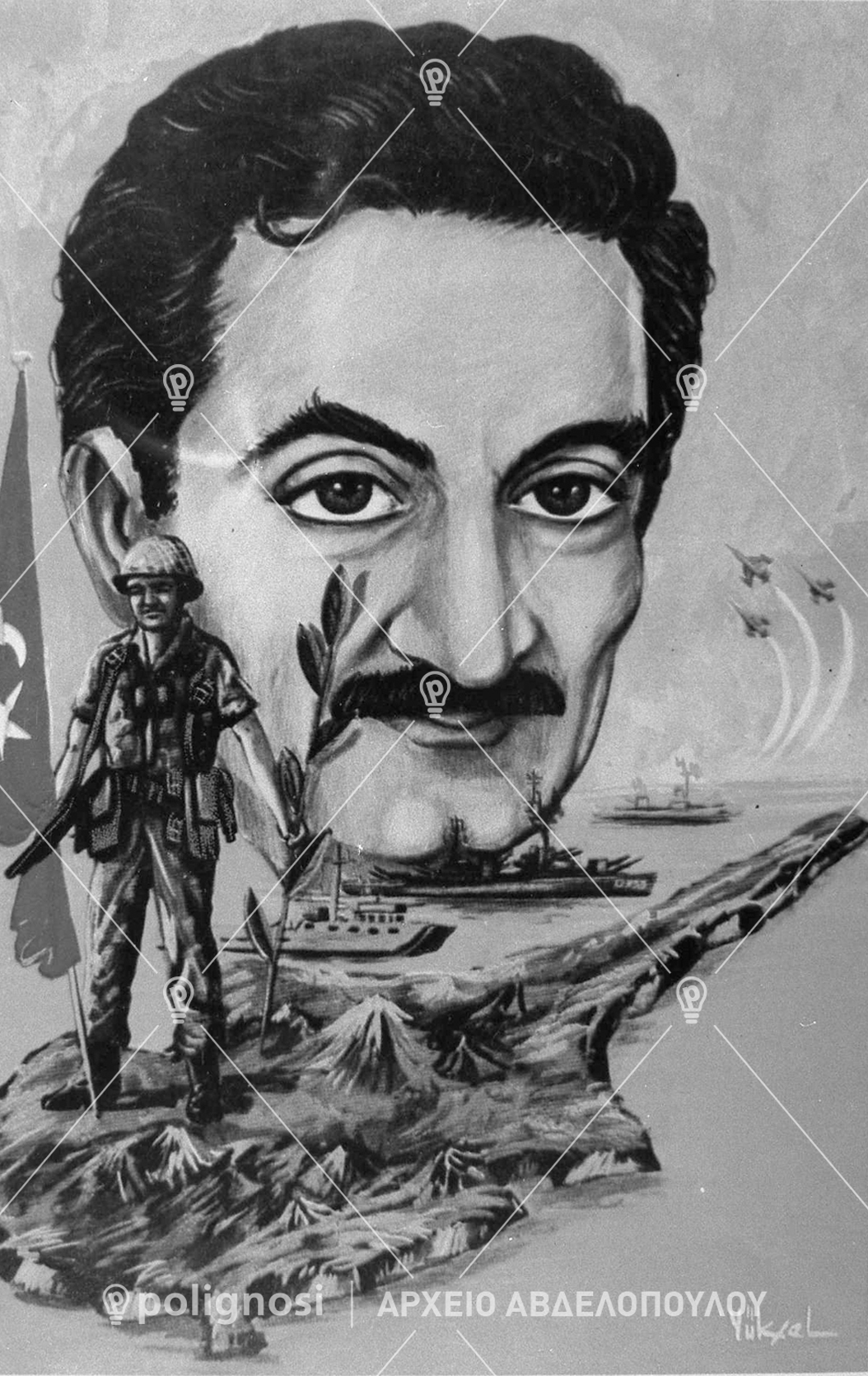
In the days that followed, Ankara moved swiftly on two fronts. Military preparations intensified, with troops mobilised and positioned along the southern coast. At the same time, an energetic diplomatic campaign unfolded. Ecevit engaged London, Washington and Moscow, invoking the 1960 Treaty of Guarantee and arguing that Turkey was acting to restore constitutional order and protect Turkish Cypriots, who it claimed were under imminent threat.
The responses of the United Kingdom and the United States, both deeply entangled in NATO dynamics and Cold War strategy, remain contested. While neither openly endorsed military action, neither moved decisively to prevent it.
Having escaped the coup with his life, Makarios addressed the UN Security Council in New York on 19 July 1974, denouncing the coup and the threat that the Athens military junta posed to constitutional normality and democratic freedoms. He warned that the repercussions “will be very grave and far reaching, if this situation is permitted to continue even for a short time”.
20 July: Invasion begins
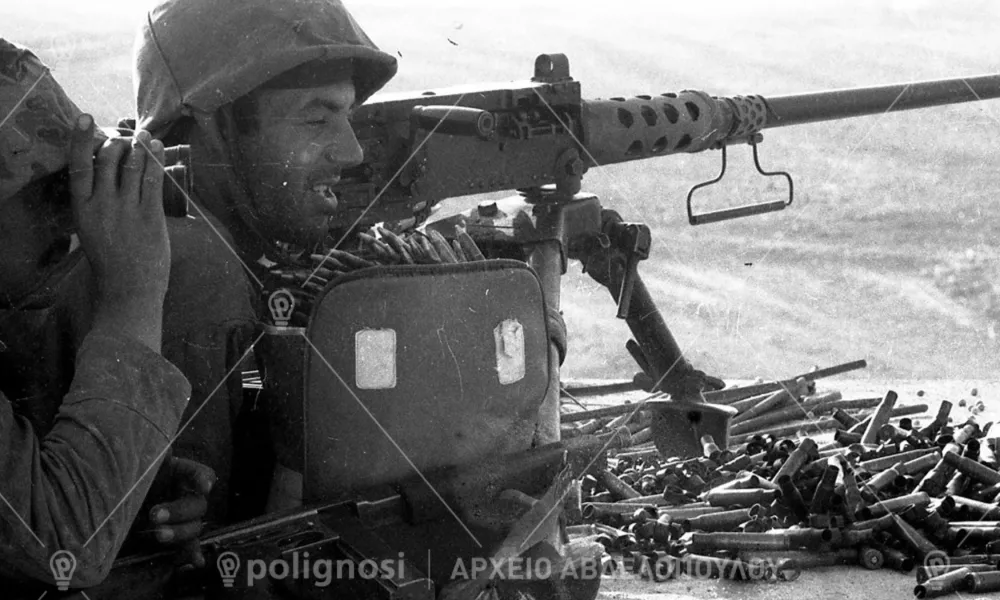
Just a few hours later, shortly after 5am on 20 July 1974, Turkey launched Operation Attila I. Paratroopers were dropped north of Nicosia, while amphibious forces landed at Pentemili, west of Kyrenia, supported by naval and air power. Within hours, Cyprus was under coordinated attack by land, sea and air.
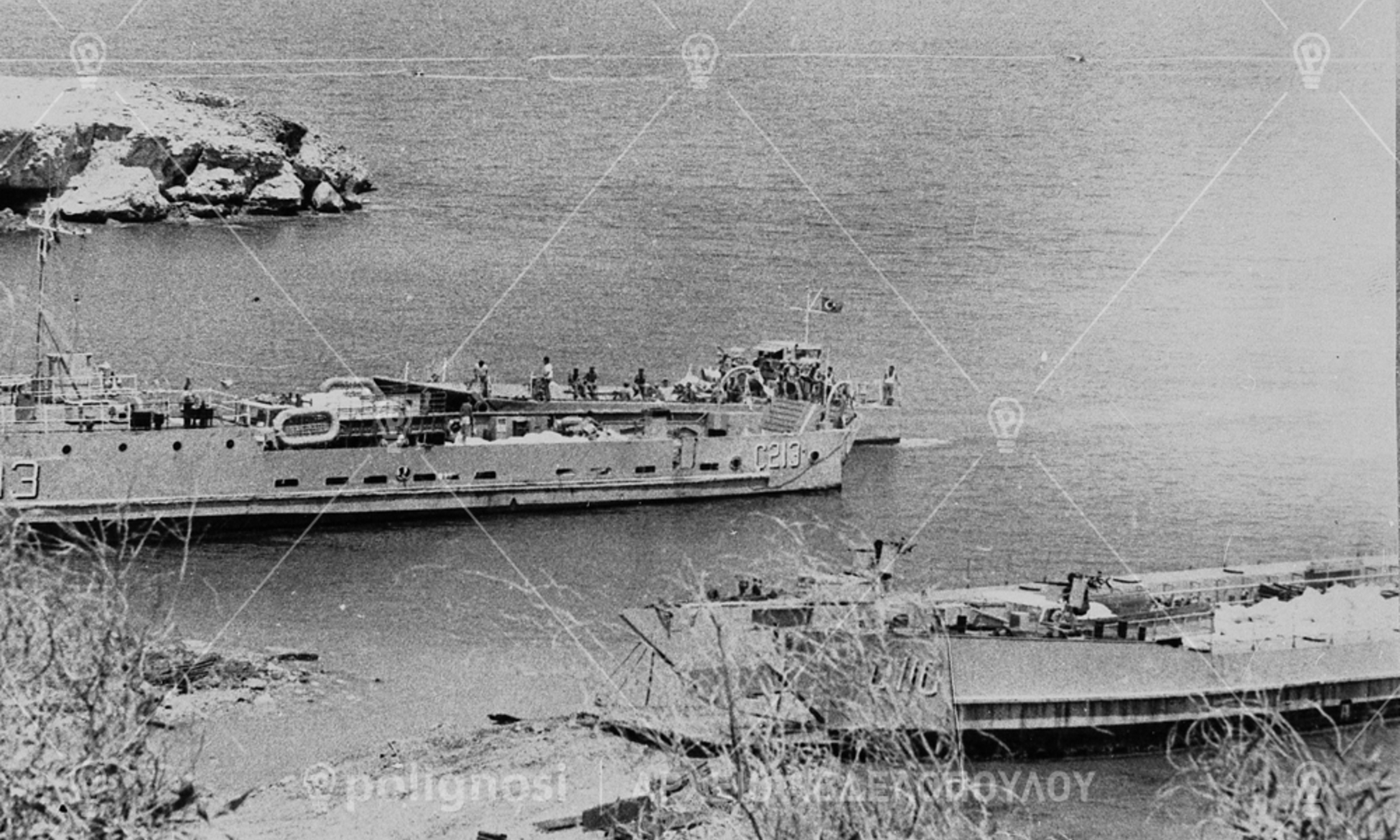
The Greek Cypriot side was caught unprepared. The coup had disrupted command structures, disorganised units and left the political leadership in disarray. Despite this, elements of the National Guard and the Greek contingent on the island mounted resistance, particularly around Kyrenia and the Pentadaktylos mountain range.
21 July: Escalation and missed responses
On 21 July, Turkish forces consolidated their beachhead and began advancing inland. Fighting intensified around Kyrenia, while efforts focused on linking the landing zone with the Turkish Cypriot enclave in northern Nicosia.
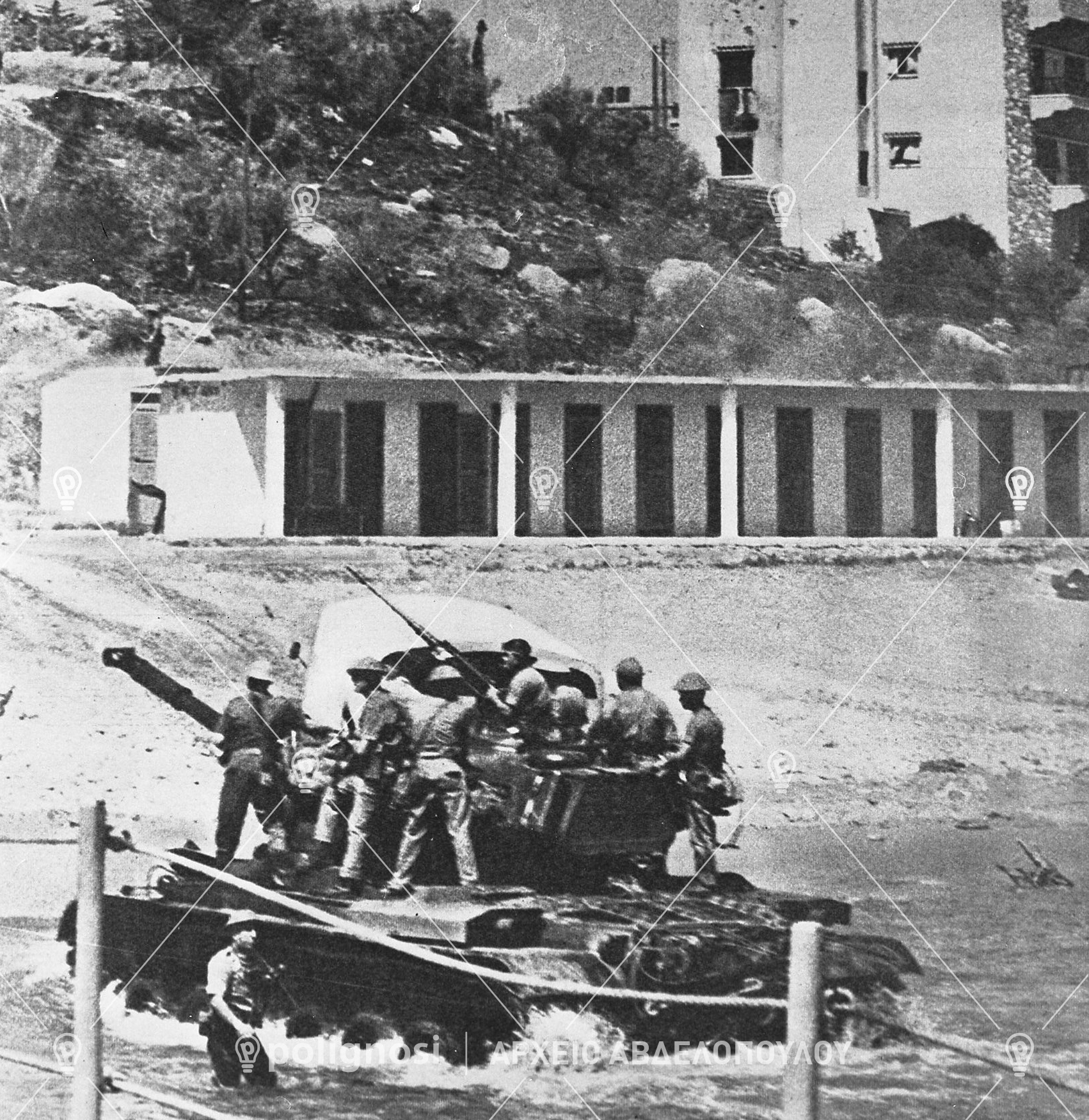
In Athens, the junta faltered. Internal divisions and the realisation of military unpreparedness undermined any prospect of meaningful intervention. Despite threats of escalation, Greek forces did not engage Turkey directly. Two Greek submarines in the region did not respond to the mass naval movement from Turkey’s Mersina to the north. A limited attempt to reinforce Cyprus with commandos, known as Operation Niki, ended in tragedy when a Greek transport aircraft was shot down by friendly fire at Nicosia airport.
At the diplomatic level, US envoy Joseph Sisco shuttled between Athens and Ankara, seeking to prevent a broader Greco-Turkish war. His efforts helped avoid direct confrontation between the two NATO allies, but did not halt the fighting on the ground.
22 July: Ceasefire and new realities
By 22 July, Turkish forces had achieved key objectives of the first phase. Kyrenia had fallen, and a narrow corridor connecting the coast to northern Nicosia was established. The United Nations Security Council had already passed Resolution 353 on 20 July, calling for a ceasefire, respect for Cyprus’ sovereignty and the withdrawal of foreign troops.
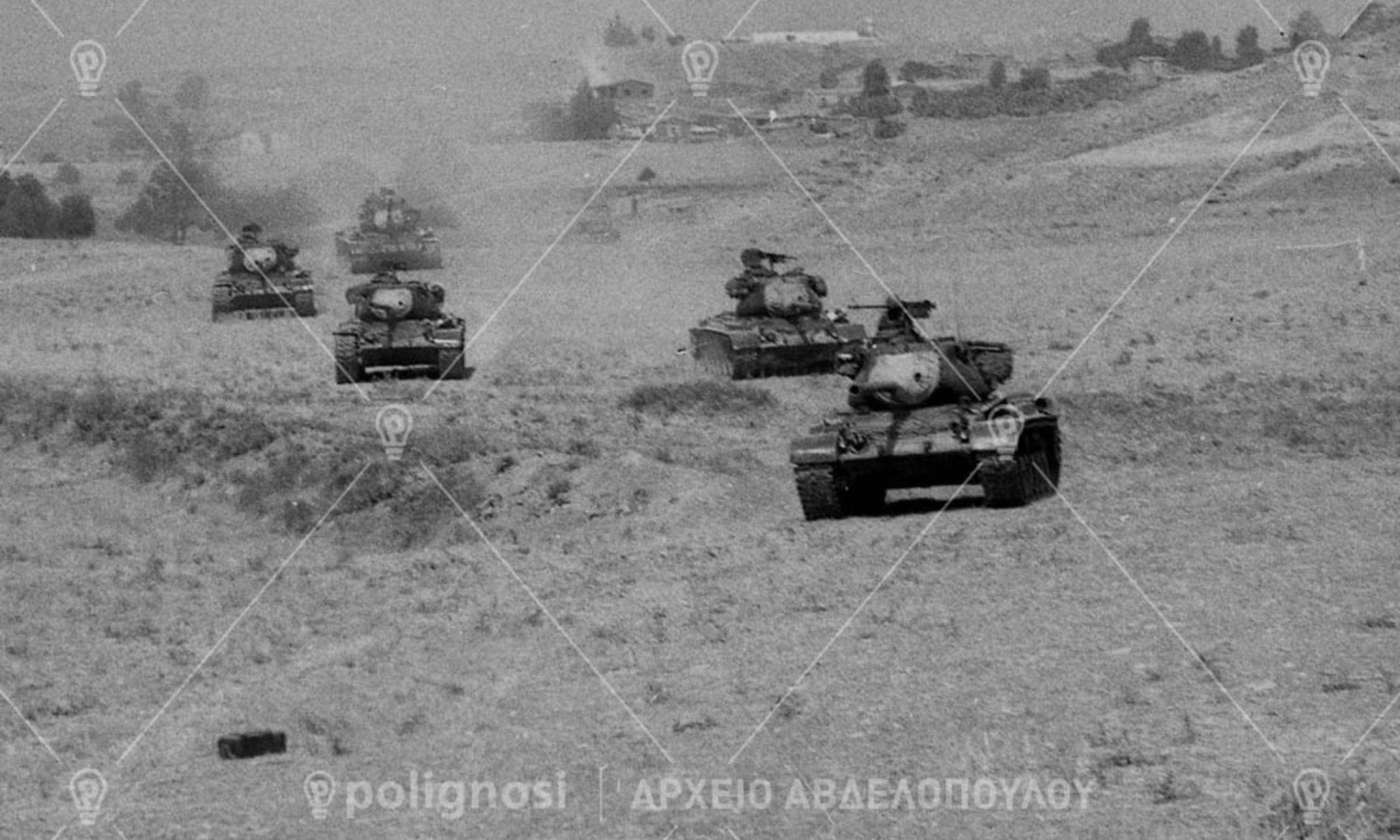
A ceasefire formally came into effect on the afternoon of 22 July. In practice, however, fighting continued in several areas, and Turkish troops used the lull to strengthen and expand their positions.
Political upheaval
The invasion triggered rapid political change. In Cyprus, Sampson resigned on 23 July, and parliamentary speaker Glafcos Clerides assumed leadership. In Greece, the junta collapsed under the weight of failure, paving the way for the return of Constantine Karamanlis and the restoration of civilian rule on 24 July.
These developments were encouraged, and in part orchestrated, by the United States, which prioritised stability within NATO over the outcome on the island itself.
Geneva talks and uneasy ceasefire
On 25 July, peace talks began in Geneva between the foreign ministers of the UK, Turkey and Greece. Over five days, the parties sought to stabilise the situation and outline a framework for negotiations.
The agreement reached on 30 July called for a ceasefire, the establishment of buffer zones and respect for existing lines of control. It also envisaged further talks, including participation by Greek Cypriot and Turkish Cypriot representatives.
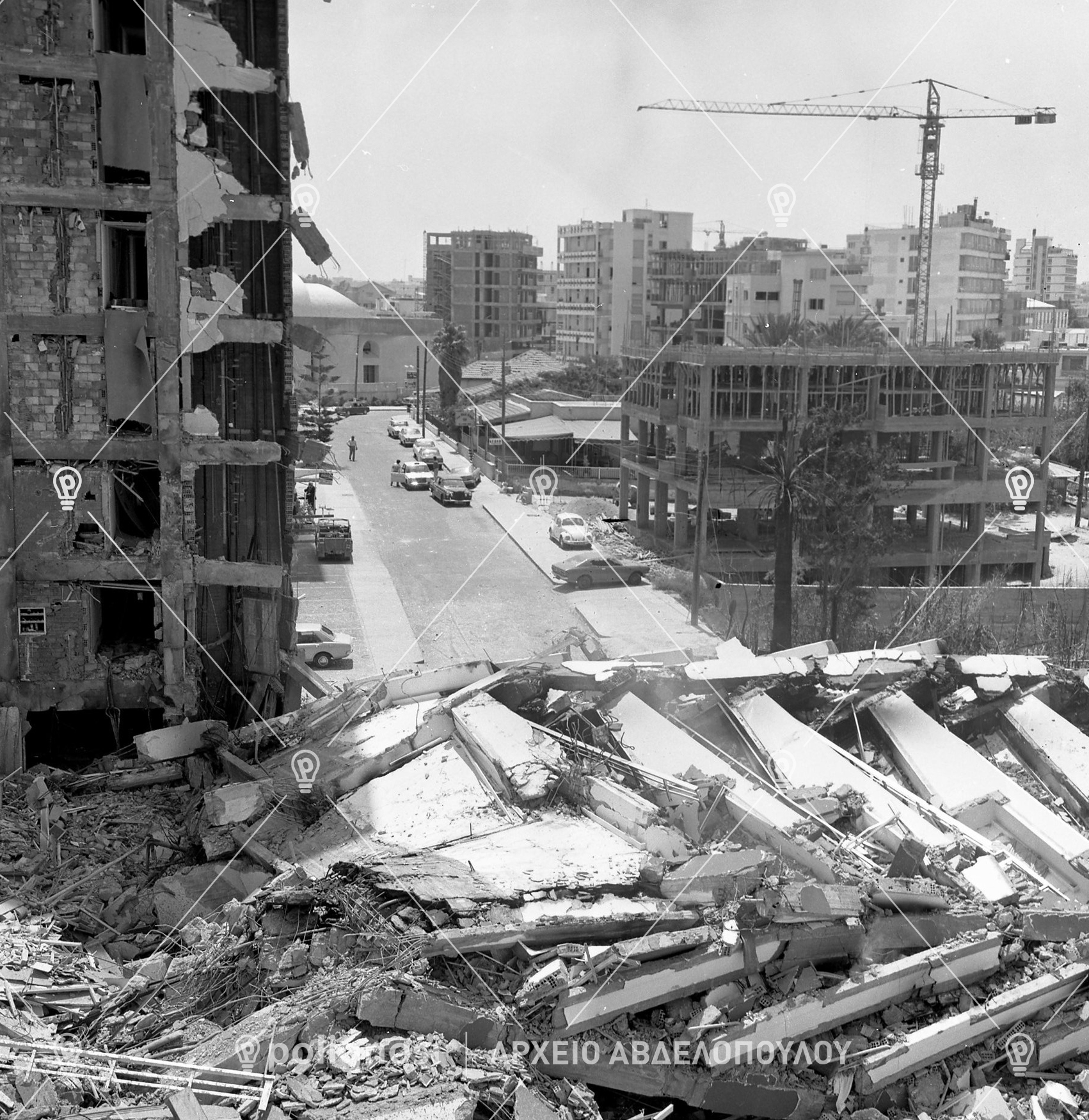
Yet the ceasefire proved fragile. Even as diplomacy continued, Turkish forces expanded their foothold, pushing east and west of the initial corridor and consolidating control over a growing area.
End of July: a fragile pause
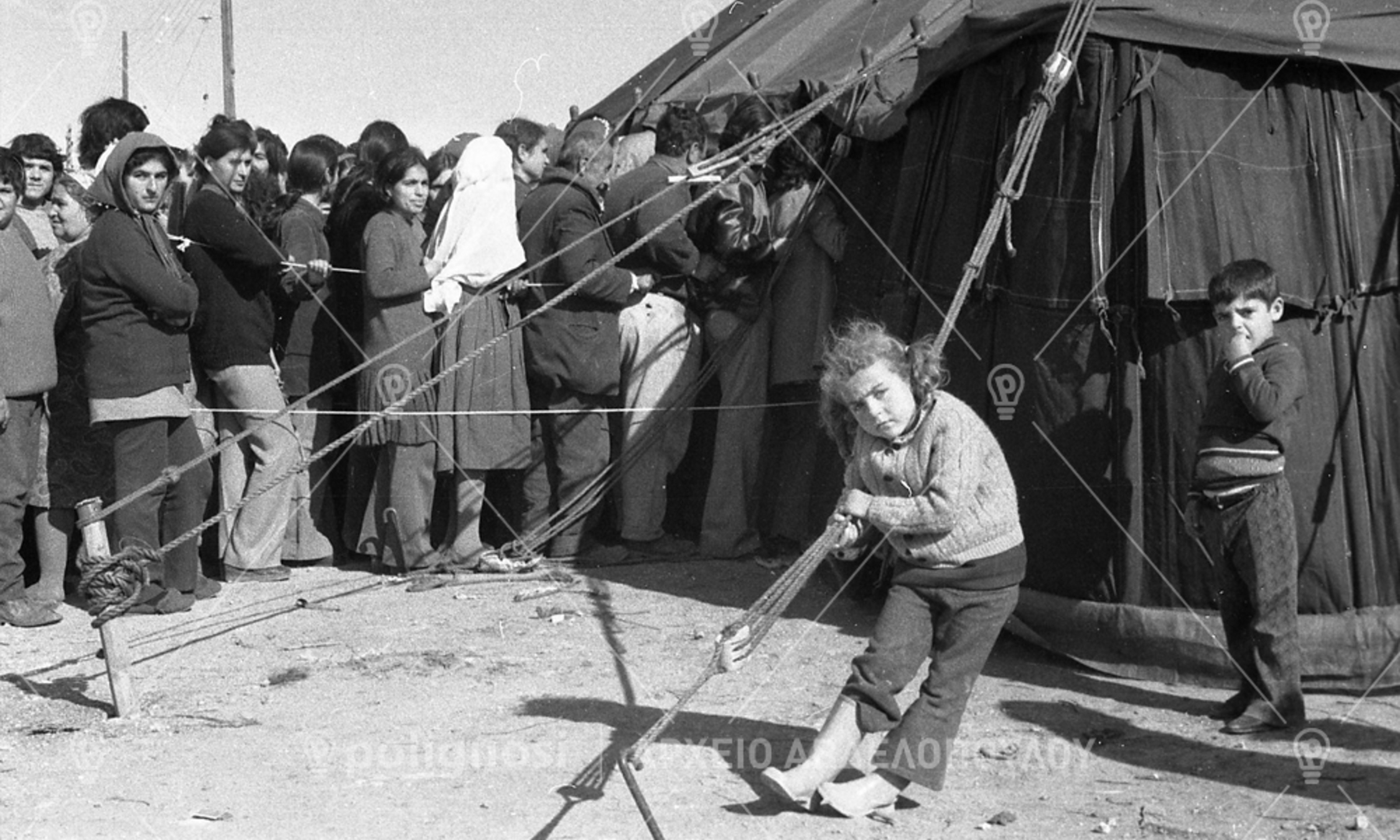
By the end of July 1974, Cyprus stood transformed. A de facto partition had begun to take shape, with Turkish troops controlling a continuous strip of territory from the northern coast to the capital. Thousands of civilians had already fled their homes, marking the beginning of a refugee crisis.
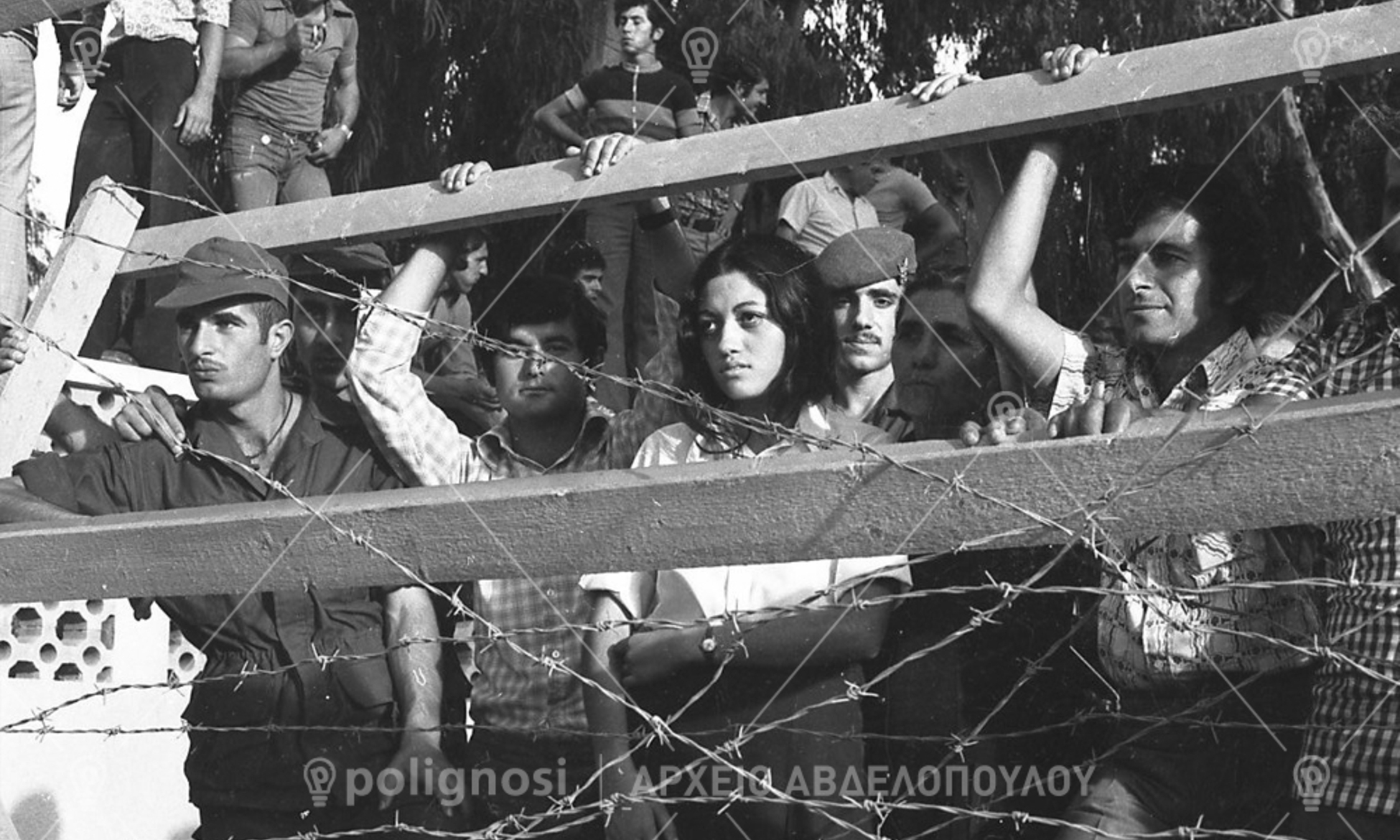
International negotiations continued, with the United Nations increasing its peacekeeping presence and calling for restraint. But the underlying conflict remained unresolved.
A prelude to deeper division
The events of July 1974 did not end the crisis. Rather, they set the stage for the second and far more destructive phase of the invasion in August. That offensive would result in the occupation of approximately 37 per cent of the island, the displacement of over 200,000 Cypriots, thousands of deaths and missing persons, and a lasting economic and territorial rupture.
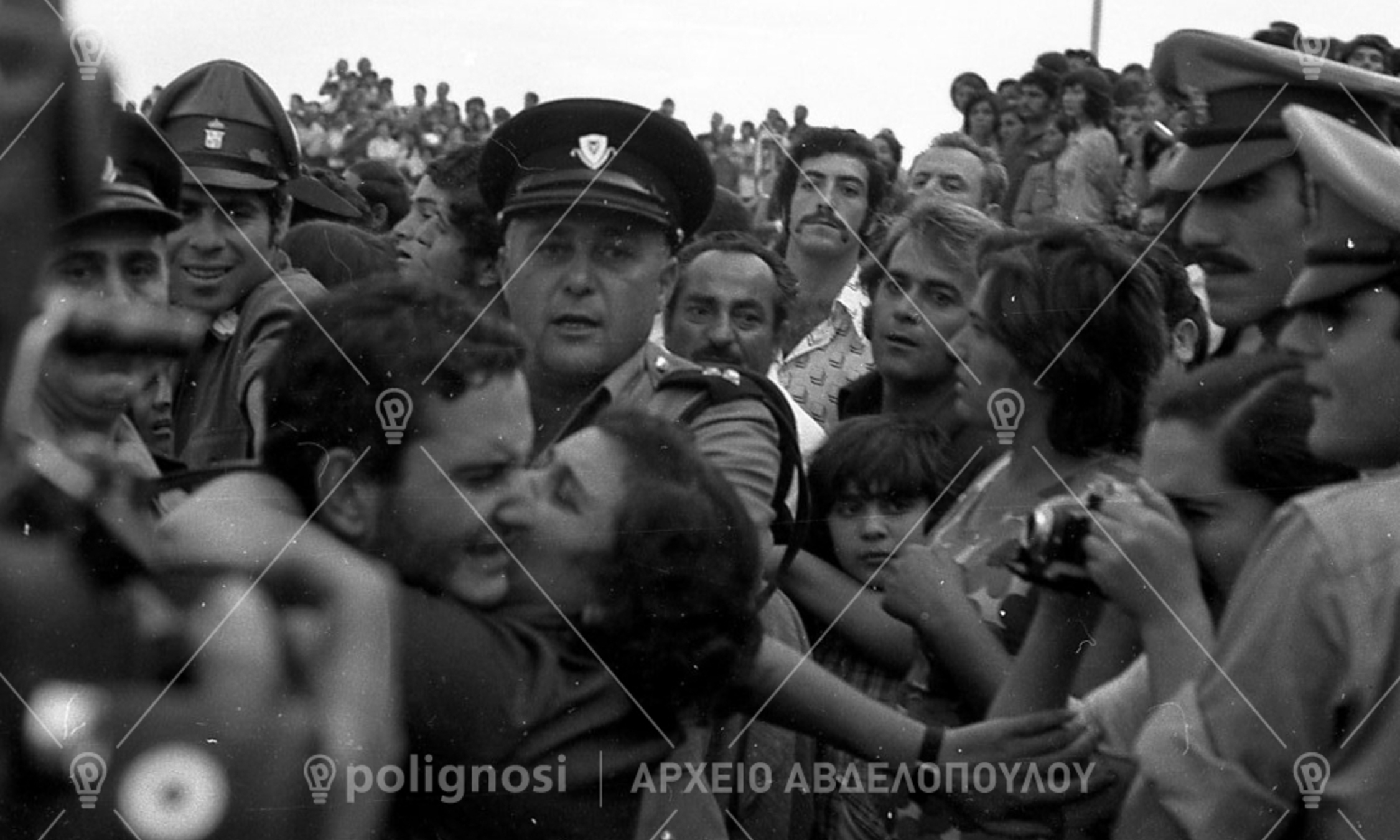
In that one summer, Cyprus saw one guarantor power try to kill the President of the Republic, another guarantor power invade and occupy a significant chunk of the country and the third guarantor power essentially sit back and watch.
More than half a century later, the legacy of those weeks endures. The ceasefire line that emerged, known as the “Attila line”, still divides Cyprus, while the political question that sparked the conflict remains unresolved.
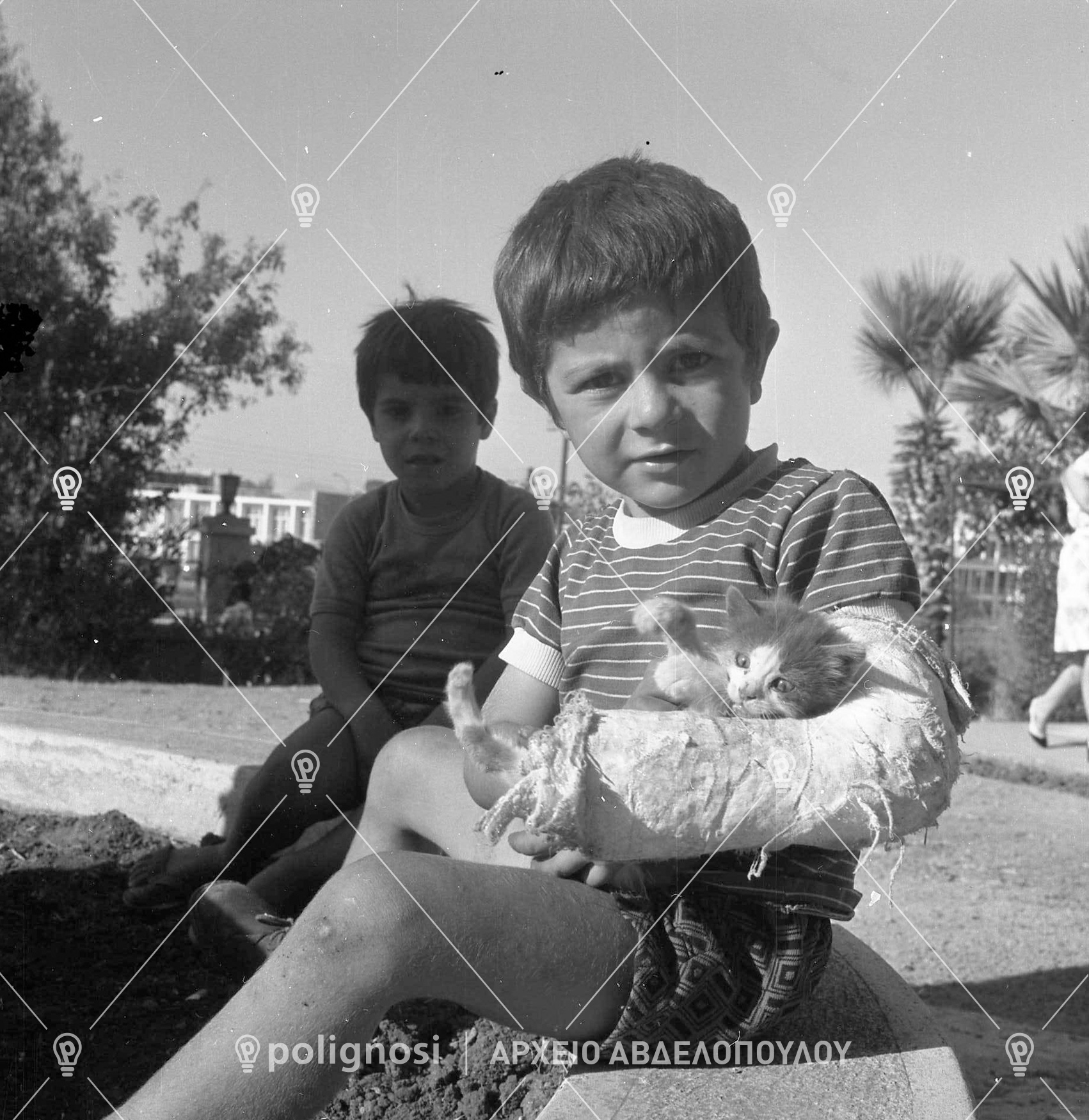
For Cyprus, 20 July is not only a date of remembrance, but a reminder of how swiftly political crisis, strategic calculation and international hesitation can reshape the fate of a nation.
Source: Polignosi