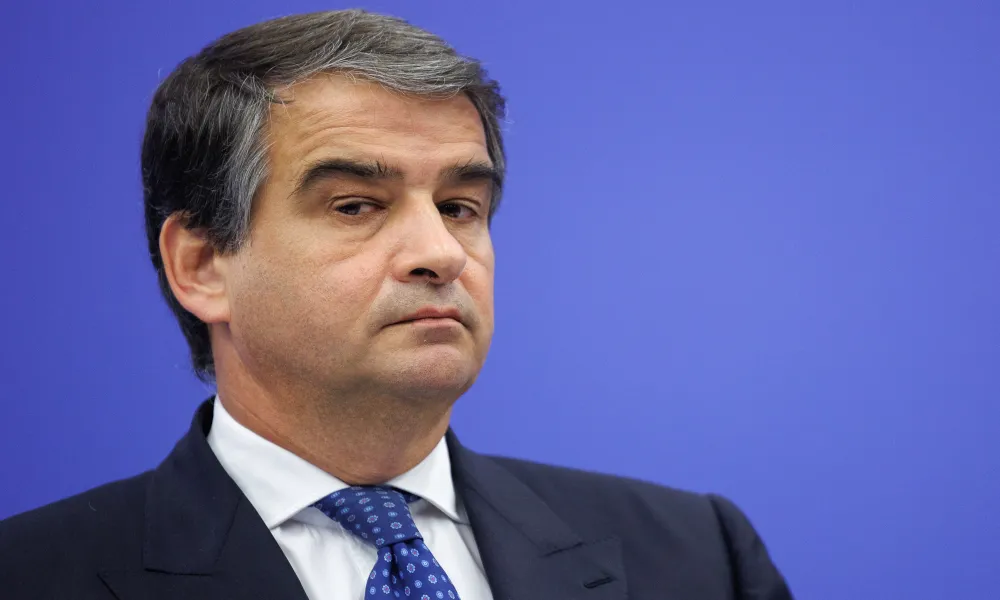

EU Special Representative for Cyprus Raffaele Fitto will hold his first meetings on Friday with the two Cypriot leaders since his appointment earlier this month.
Fitto will meet President Nikos Christodoulides and then Turkish Cypriot leader Tufan Erhürman before leaving the island the same day.
The European Commission Executive Vice-President for Cohesion and Reforms was given the Cyprus file with the aim of working alongside UN Personal Envoy María Ángela Holguín to support efforts toward a Cyprus settlement and engage with stakeholders across the island.
He is also responsible for the Cyprus Settlement Support Unit, which provides technical and policy support to the UN-led peace effort while overseeing the EU aid programme for the Turkish Cypriot community and Green Line Regulation.
Fitto met with Holguín in Brussels last Wednesday and has already spoken on the phone with Erhürman.
It appears his visit to the island was organised at the last minute. On Sunday, Fitto posted on social media that he will be sharing updates throughout the week from Rome where he will be attending events related to the Adriatic-Ionian Macro-Regional Strategy.
While here, he will have a chance to be briefed on the UN Secretary-General’s visit, as well as hear the positions of the two leaders and get a better sense of their expectations regarding the EU’s role in the peace effort.
EU-Turkey relations
On Wednesday, Christodoulides said the EU is ready to play an enhanced role, both on issues of substance and regarding EU-Turkey relations. On the latter, Nicosia hopes to offer incentives to Ankara – such as a customs union upgrade, visa liberalisation and/or participation in the defence financial instrument SAFE – in exchange for progress on the peace effort.
However, it is not yet clear how this will play out, given specific institutional requirements such as Turkey’s legal obligation to implement the Ankara Protocol, the need for the Commission to secure a European Council mandate, and the question of unanimity within the Council.
It’s also worth noting that EU foreign policy chief Kaja Kallas and Enlargement Commissioner Marta Kos are the principal officials currently handling relations with Turkey.
EU-Turkish Cypriot relations
Speaking after the trilateral with UNSG António Guterres on Wednesday, Erhürman clarified that the EU could not participate in a future 5+1 meeting as a sixth member. He also highlighted the need for confidence-building measures (CBMs) between the EU and Turkish Cypriots who have long argued that the EU failed to keep its promises after the Annan Plan referendum.
Erhürman singled out potential steps forward on the Green Line Regulation, Direct Trade Regulation and citizenship rights of children born from mixed marriages.
Trust building
Just a few months back, during Cyprus’ EU Presidency, Fitto joined the College of Commissioners on a tour of the Green Line, where they were invited to peep at the north through a hole in the wall – to Erhürman’s great irritation.
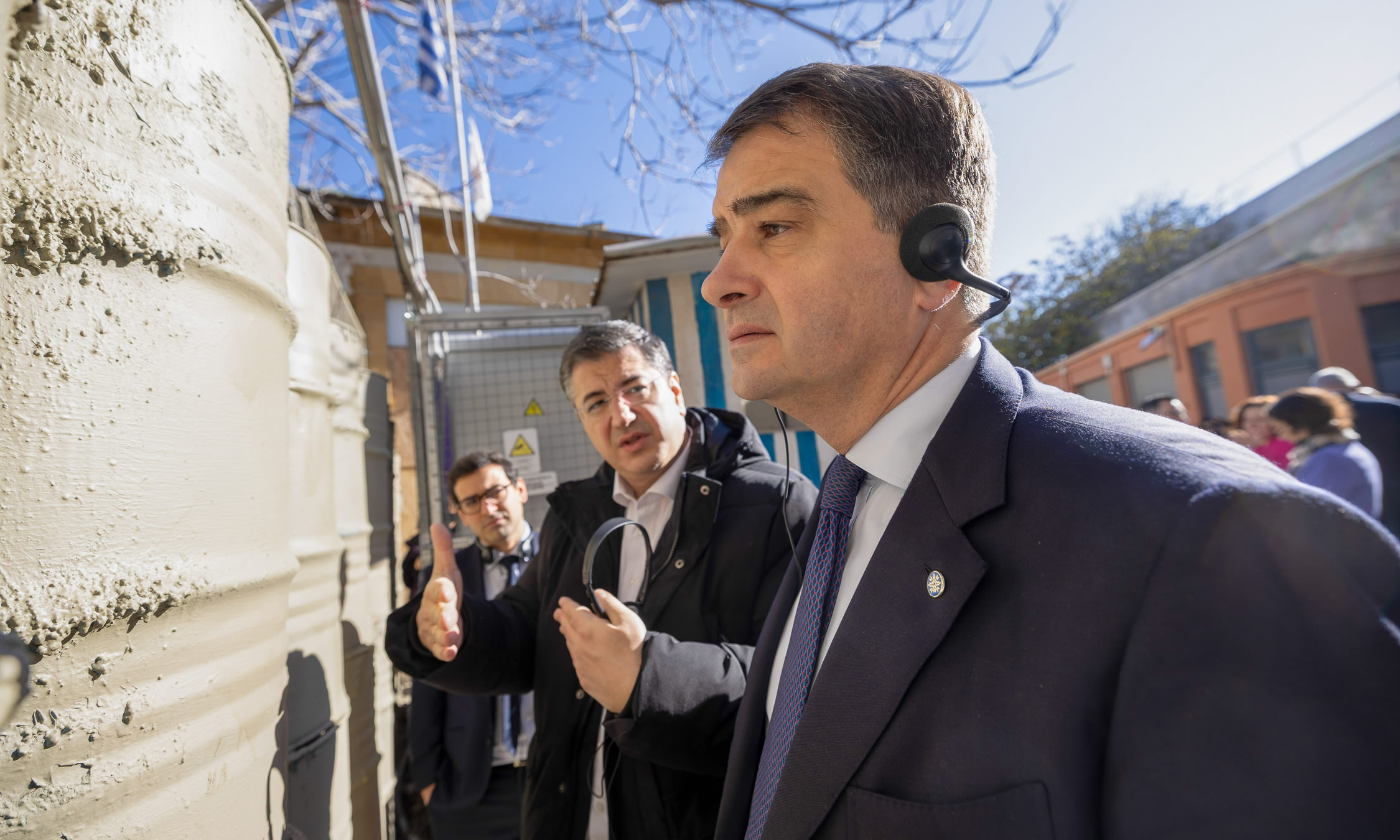
One of Fitto’s tasks will be to rebuild trust with the Turkish Cypriots who have consistently accused the EU of bias due to the Cyprus Republic’s status as a member state, including the latter’s ability to block funding for projects in the north it doesn’t like.
The Turkish Cypriot leader will likely share with Fitto his concern about Cyprus’ potential membership to the Schengen Area and the impact this will have on people living in the north.
He may also raise the issue of restarting the EU Ad Hoc Committee originally established to prepare the Turkish Cypriot community for the EU acquis but which was shut down after the collapse of talks at Crans-Montana.
Work to be done
Speaking at Thursday's cabinet meeting, President Christodoulides said preparatory work on the Cyprus issue would continue throughout August. He identified three main points from Guterres’ visit to Cyprus. First, the UN chief secured the agreement of all parties to convene a 5+1 with the aim of producing results. Second, Guterres referred to convergences and the negotiating acquis. This will determine – in relation to methodology – the outcome of the 5+1 and the resumption of talks. Third, the EU’s role in the process is now accepted by all parties, he said.
Speaking after the cabinet meeting, Foreign Minister Constantinos Kombos said specific proposals will be discussed with Fitto on how EU-Turkey relations can be used as leverage to stimulate Turkey’s interest in a manner that serves the substance of negotiations on the Cyprus issue.
Kombos said the government considered the EU’s role to be decisive from the outset.
“We believe that momentum must be created around substantive proposals relating to the European Union and EU-Turkey relations,” he said.
🇪🇺 Questa settimana sarò a #Roma🇮🇹 per un importante appuntamento dedicato alla Strategia macroregionale adriatico-ionica. Poi altri iniziative istituzionali
— Raffaele Fitto (@RaffaeleFitto) July 26, 2026
Vi terrò aggiornati. Buona domenica
🇬🇧 This week, I will be in #Rome for an important institutional engagement focused… pic.twitter.com/KKmvZFdMCj