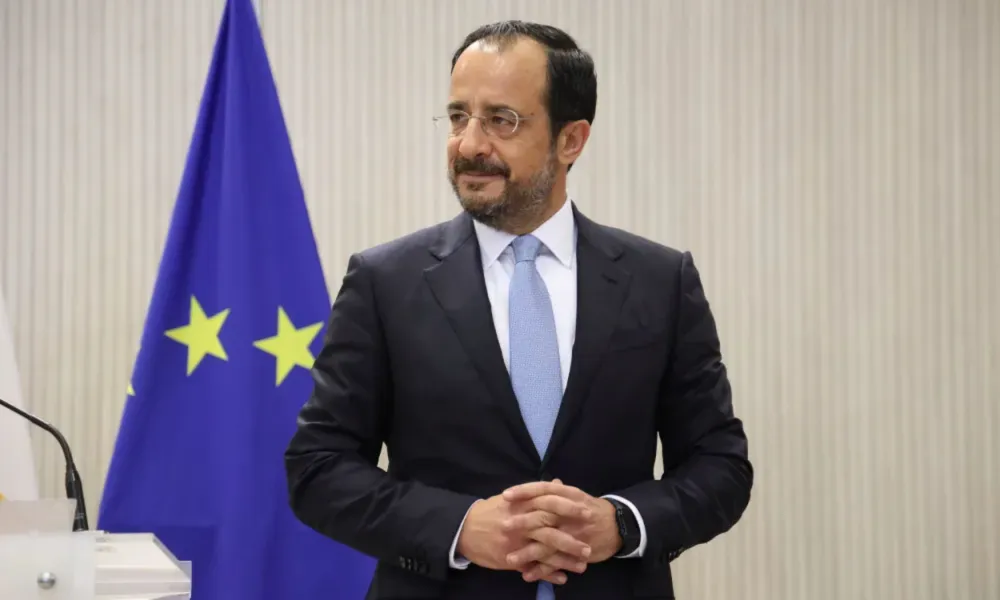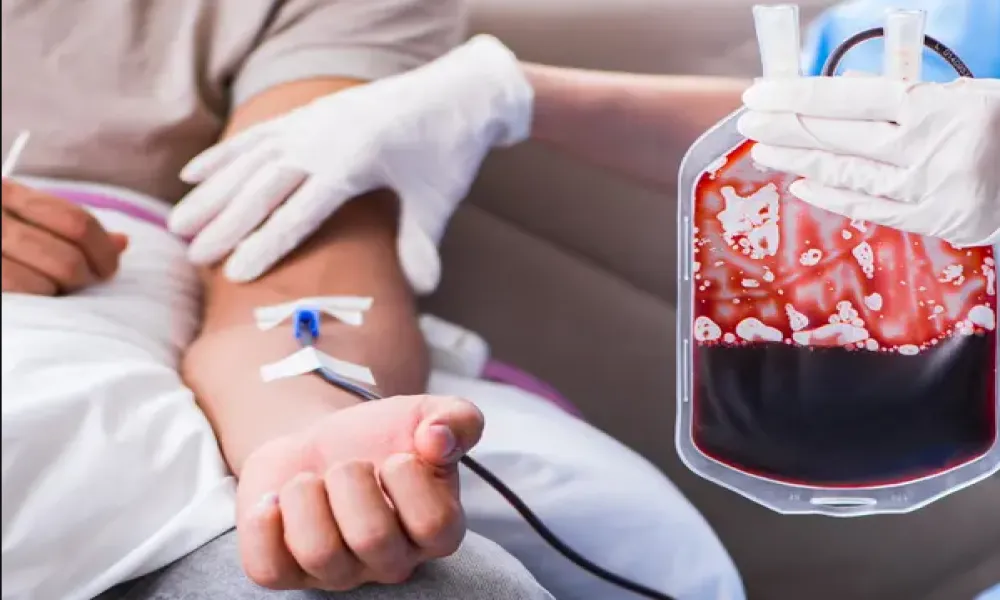

Patient Ombudsman Mario Charalambides has called for the principle that blood transfusions should never be postponed to be explicitly incorporated into Cyprus' National Blood Strategy.
The appeal was made during the Pancyprian Thalassaemia Conference, held in Paphos on November 13 and 14, following reports of delayed transfusions and under-transfusions at thalassaemia centres in recent months.
"Blood cannot wait"
Charalambides linked blood availability directly to patients' rights, arguing that transfusions belong to the same category of essential treatments as dialysis and chemotherapy.
He said such treatments should not be delayed because of staffing shortages or scheduling difficulties.
Referring to discussions about haemoglobin levels before transfusions, he stressed that decisions should be based on patients' medical needs rather than the amount of blood available in storage.
Proposals to strengthen the system
To support the principle in practice, Charalambides proposed:
- The creation of a strategic blood reserve for patients who require regular transfusions.
- Making transfusion delays the exception rather than the norm.
- Informing patients promptly when postponements become unavoidable.
- Recording and documenting the reasons for any delay.
- Rescheduling appointments according to each patient's clinical condition.
- Collecting and reporting data on postponed transfusions and under-transfusions.
- Including patients in the committee responsible for monitoring implementation of the National Blood Strategy.
Support for thalassaemia patients' concerns
The ombudsman also voiced support for the positions of the Pancyprian Thalassaemia Association, particularly its opposition to under-transfusion practices and reliance on last-minute public appeals for blood donations.
He further backed calls for:
- Increased staffing at the Blood Centre and thalassaemia centres.
- Annual planning of blood donation campaigns.
- Greater public awareness of blood donation needs.
Focus on organisation and donor recruitment
According to Charalambides, the challenge facing Cyprus is primarily one of service organisation and donor recruitment rather than a lack of commitment from patients or healthcare professionals.
He called on all stakeholders to work together to ensure patients receive the blood they need without unnecessary delays.
Source: CNA