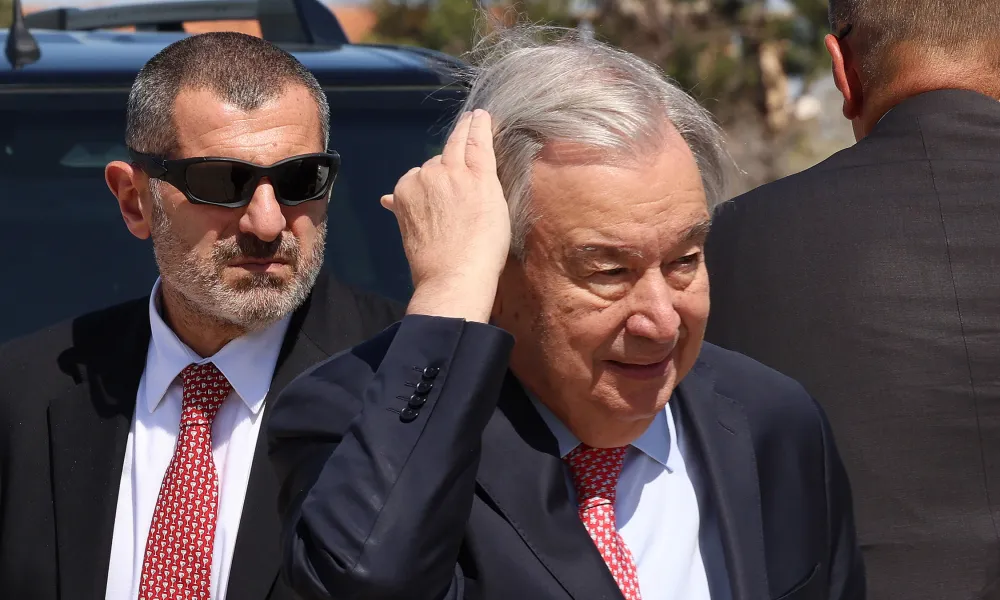

UN Secretary-General António Guterres on Wednesday ruled out holding a 3+1 or 5+1 on the sidelines of the UN General Assembly in New York next week.
Asked by CNA whether conditions were ripe for either, Guterres replied, “Not on the margins of UNGA. There is still a lot of work to be done, but we are determined to move things ahead.”
He said the UN was “determined to do everything possible for that to take place when conditions are met for the meeting to be successful”.
The UN chief added: “We cannot repeat the mistakes of the past.”
Final meeting before New York
The onus is now on the leaders who walk into their final meeting on Thursday before flying to New York where they will brief Guterres on the last eight weeks.
Considering the absence of significant progress in their last two meetings, a lot rests on what the leaders decide now.
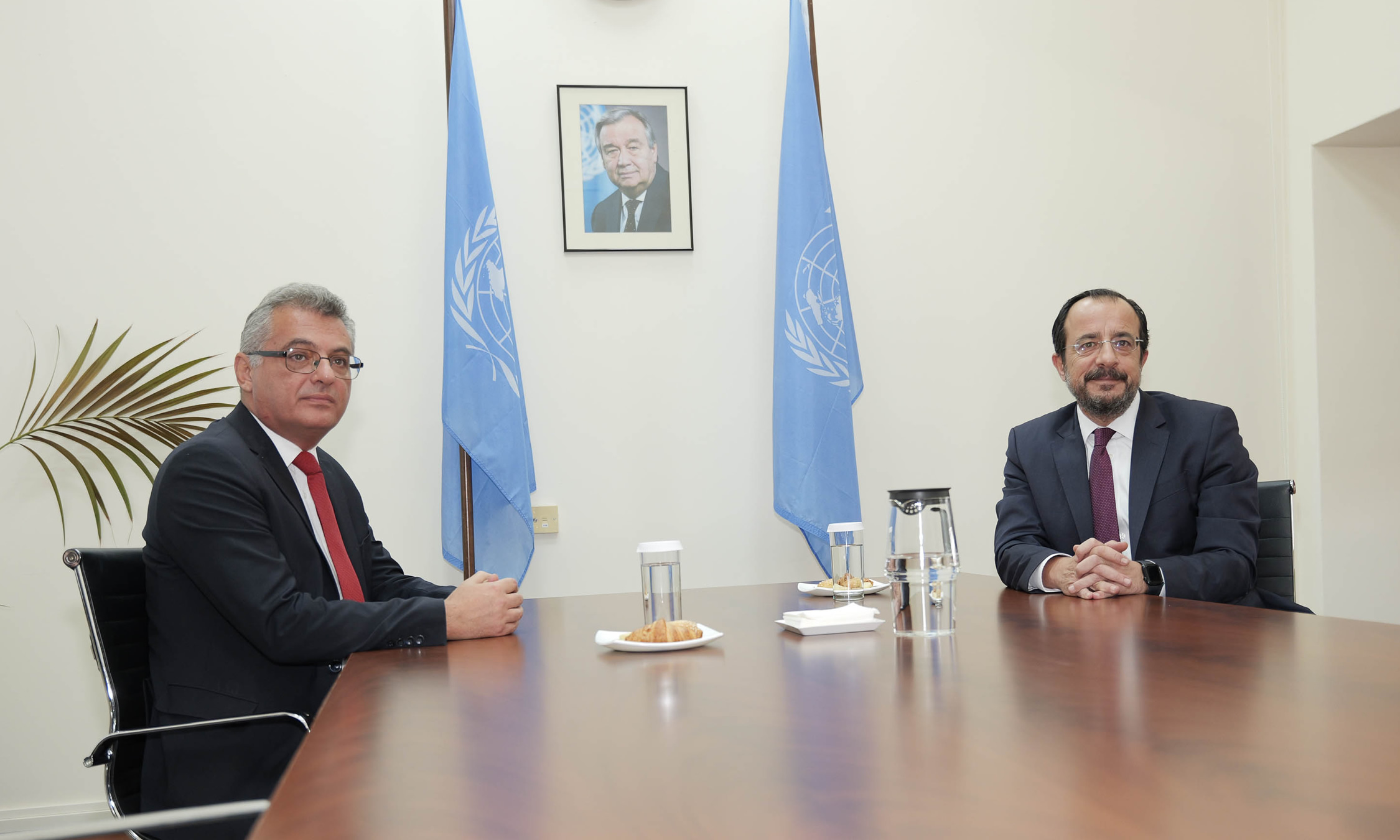
Will they move forward on confidence-building measures (CBMs) – either breaking the back of the crossing points stalemate or producing a larger package of smaller measures?
Will they come closer on methodology? Not just on past convergences, but also the negotiating acquis – including discussion documents and position papers – and the approach to new negotiations. Where will they start from? How will they address interconnected issues?
Can they outline their vision on issues of substance, promoting their core interests while showing an understanding of the key concerns and needs of the other side?
Can they agree on a common goal and work constructively towards its fruition?
After the rain, comes sun?
If Monday’s negotiators’ meeting was a portent of things to come, then expectations need to remain grounded. According to Politis sources, despite substantive talks for two and a half hours, the negotiators reiterated their positions without making progress on any of the issues on the table.
Each side appears to be waiting for the other to show the necessary political will to break the deadlock.
Building trust, knocking it down or keeping it dormant
Turkish Cypriot leader Tufan Erhürman said in a recent interview that he is ready to agree on six of the seven CBMs raised by Guterres during his visit to Cyprus.
The six are believed to be: demining, irregular migration, sports between youth, crisis management, EU citizenship for children from mixed marriages, and a consultative body.
The seventh is on new crossing points.
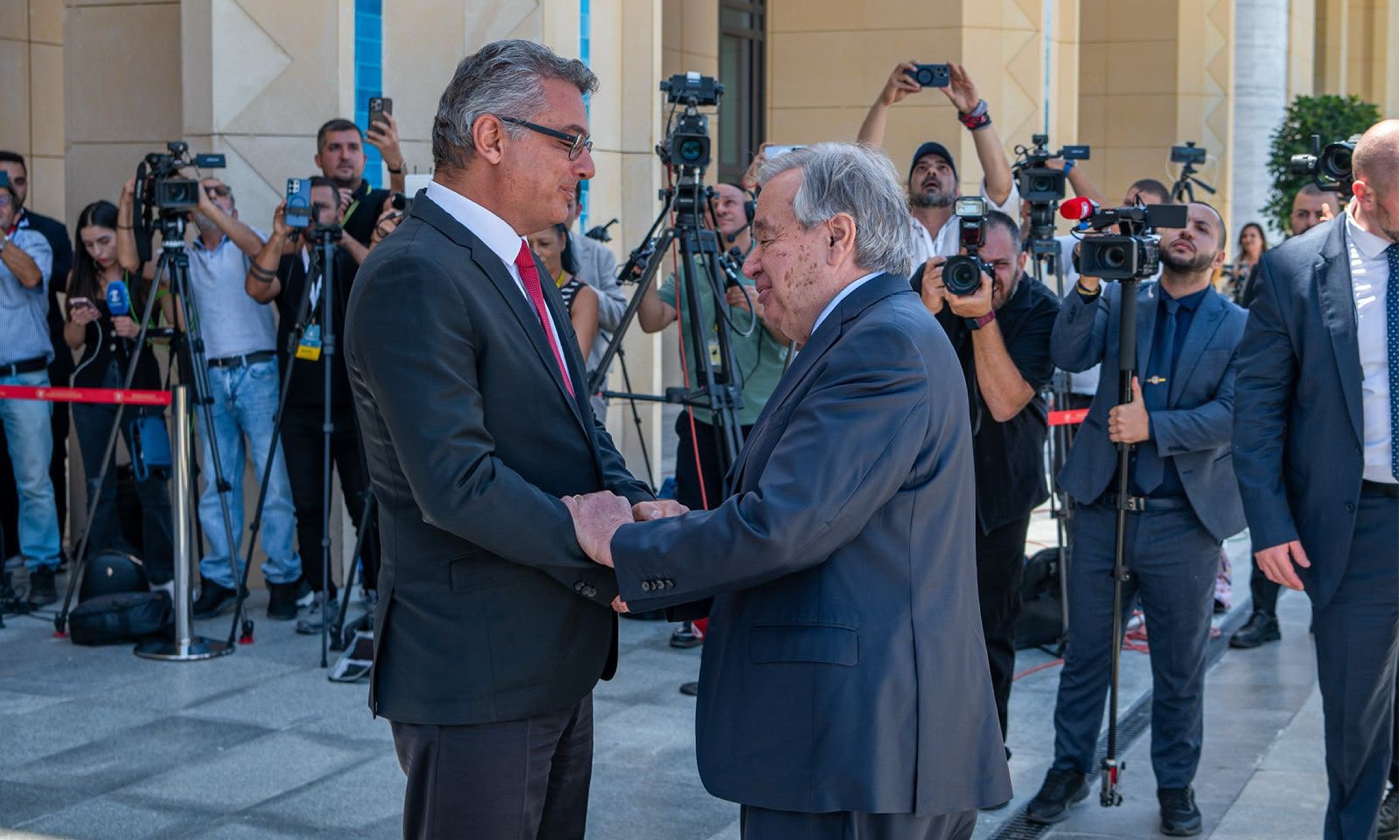
The Turkish Cypriot argument is that when the sides came closer to agreement on opening Athienou-Pyroi-Aglandjia, Mia Milia and Louroujina-Lymbia, the Greek Cypriots threw Kokkina on the table.
To overcome the deadlock, the Turkish Cypriots tried to create a CBMs package that went beyond crossing points. However, this hit a dead end after Greek Cypriot efforts to cancel cultural and sporting events in the north, which eroded trust instead of building it, they argued.
From the Greek Cypriot perspective, the UN chief told the sides to focus efforts on crossing points and demining. As long as the division remains, the Greek Cypriot side is unlikely to agree to a fully mine-free island, thought it has proposed some areas for demining. On crossings, the Greek Cypriots argue Kokkina was always on its wish list.
Furthermore, the Greek Cypriot side has started to question the will of the Turkish Cypriot leadership to make progress, wondering whether they are ready for change or if the problem lies in Ankara and their hands are tied.
Time for change
While it would be unwise to ignore Turkey’s obvious role, the EU-Turkey dynamic and Greco-Turkish relations, that should not take away from the capacity of both leaders to effect change on the island.
Last week, Erhürman met with representatives of the Maronite community. Turkish Cypriot commentators have long urged him to revive the plan for Maronites to return to their villages, even as a unilateral CBM.
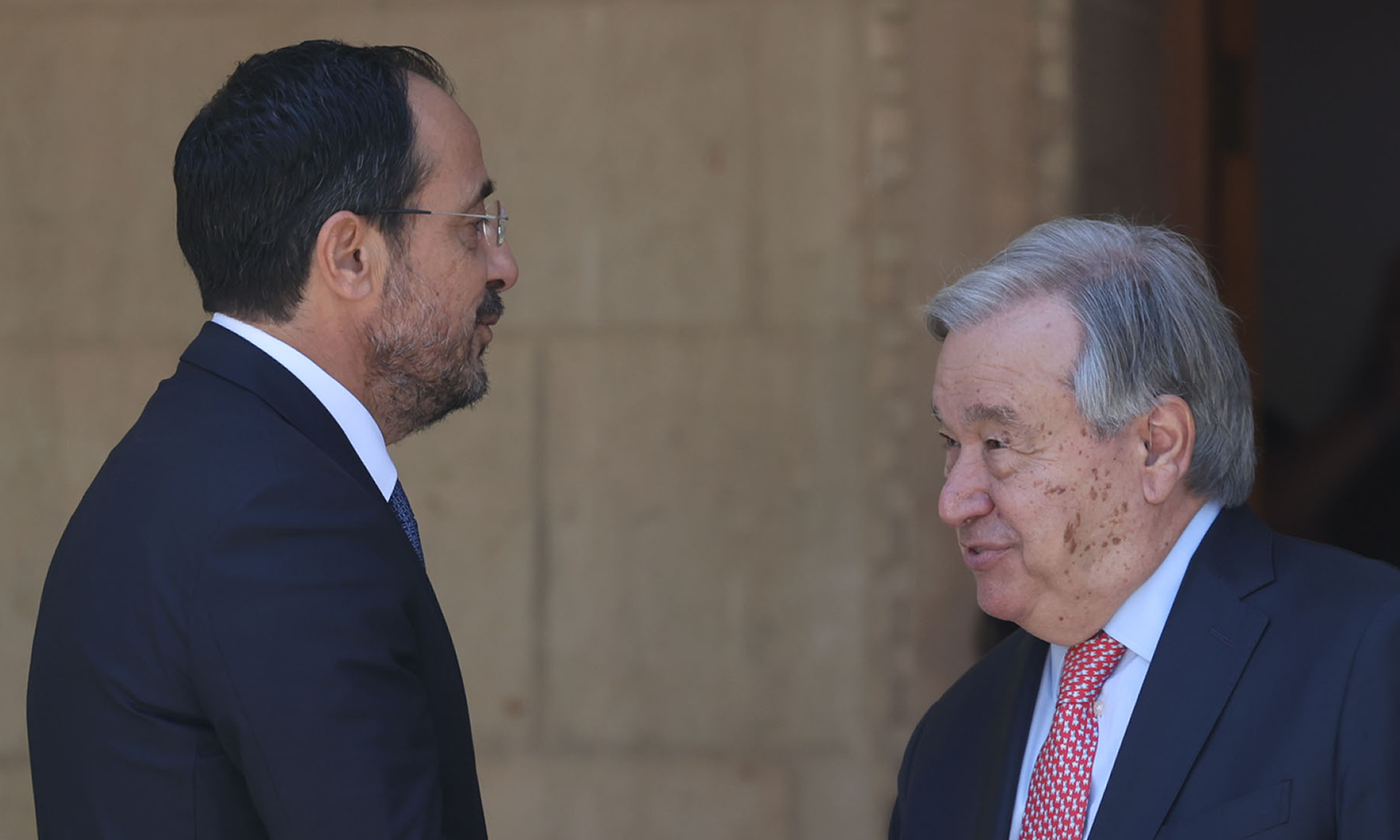
President Nikos Christodoulides’ government has also previously hinted at new unilateral measures for Turkish Cypriots, sparking speculation as to whether they related to healthcare or Green Line trade. In the end, it was neither. When Christodoulides refers to unilateral measures now, he sets a condition that negotiations must start first.
The convergences document
Guterres has shown in practice that he remains committed to Cyprus. But both he and his Personal Envoy María Angela Holguín will step down at the end of the year. According to sources, they are trying hard to leave something active for the next Secretary-General, but there is not much time left to keep the Cyprus ‘file’ alive.
Last month, in an interview with Politis, Holguín said CBMs were a sine qua non for moving forward, along with progress on substance and methodology.
She also noted that the UN has been working for some months on a “convergences paper”, recording past convergences to facilitate the start of negotiations.
However, the sides have different understandings of what this document is and how it should be used.
The Turkish Cypriot side wants a simple acknowledgement of past convergences in principle and considers the prospect of sharing a ‘convergences document’ with the sides unhelpful.
The Greek Cypriot side wants it delivered to all parties and used at the next 5+1 as the basis to relaunch negotiations, in the process, achieving progress on methodology and substance. It also wants to preserve the ‘negotiating acquis’ – that is the body of work undertaken over many years of negotiations, including up to the last hour at Crans-Montana.
Joint documents
Politis has learned that the UN is currently working on a ‘convergences document’ that includes past convergence from 2015 to early 2017. This exercise is based on several joint documents prepared by the two sides, including convergences, near convergences and divergences on a number of key issues.
While the sides undertook a considerable amount of work at Crans-Montana, it is widely considered that the conference in the Swiss Alps did not produce a convergences paper. Discussion documents, position papers and even the Guterres Framework may comprise part of the negotiating acquis – if the sides decide so – but they cannot be considered convergences. In preparing the ‘convergences document’, the UN’s role is not to interpret what the parties might have wanted, but to faithfully record how close the sides reached, as jointly stipulated by them.
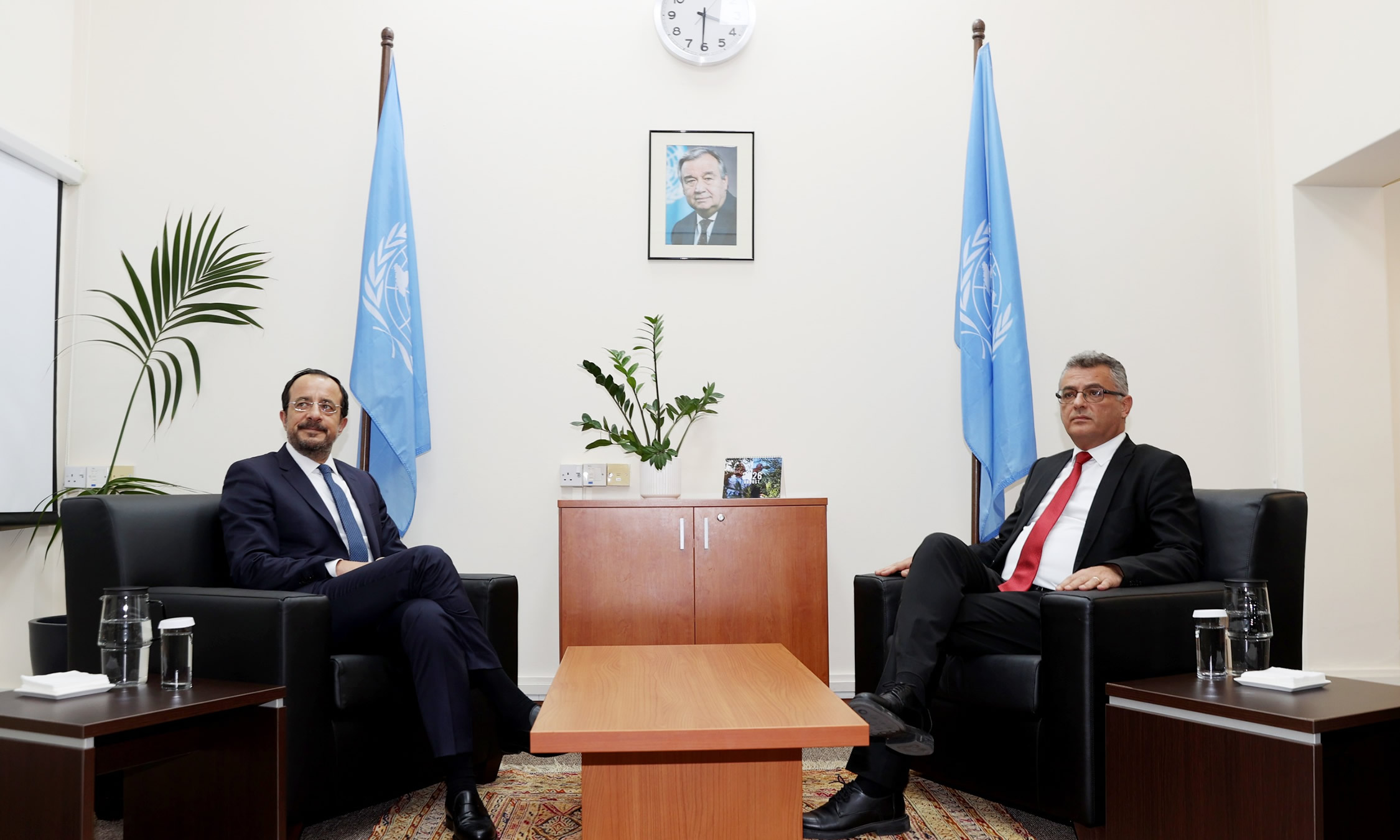
Given that neither side wishes to start negotiations from scratch, they will have to decide where they wish to start from and how they will proceed. When the UN finalises the ‘convergences document’, it too will have to decide what to do with it. The aim as a facilitator is to create an environment conducive to negotiations that reach a settlement.
Ultimately, it is the prerogative of the sides to choose how and when to use past convergences and the body of work from previous negotiations, including recognising the interconnected nature of pending issues. But if they are to move beyond their current point, they need to agree – not only on CBMs – but also on the method to start and conduct future negotiations. And perhaps then, they can add to the negotiating acquis and even complete it.