
The two leaders head to New York with little to show for the three meetings held since UN chief António Guterres left Cyprus two months ago.
Their failure to secure the bare minimum needed to move things forward raises the question as to what exactly is holding them back? Privately, each side points the finger at the other, or at Ankara. But assuming both leaders have a Cyprus solution as their top priority and strategic objective, whatever the obstacle may be, what are they going to do about it?
The rhetoric
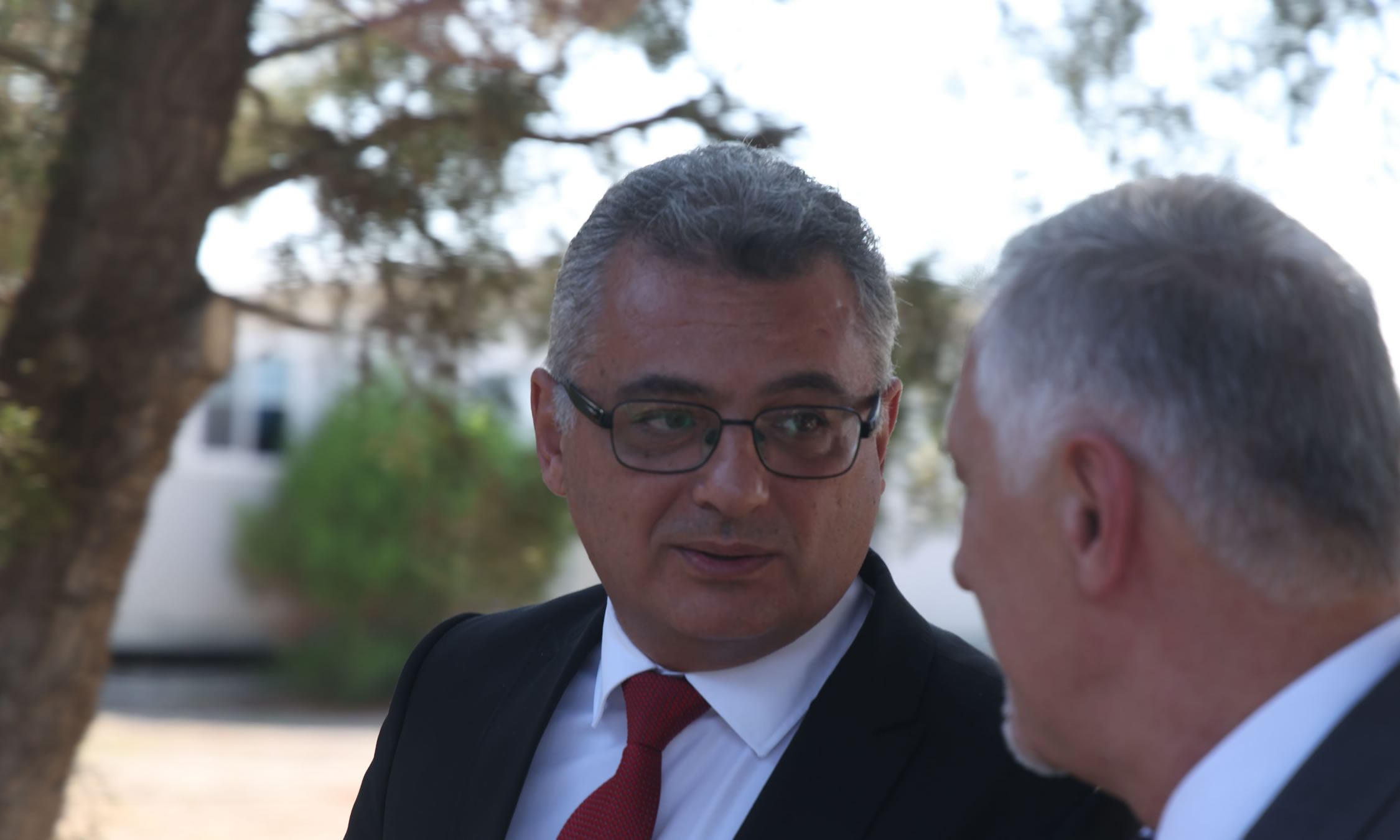
Turkish Cypriot leader Tufan Erhürman seems more focused lately on the “erosion of trust” created by the Cyprus Republic’s efforts to cancel cultural and sporting events in the north. He argues that a child learning how to kick a ball cannot bestow recognition on an entity.
When Guterres gave a blunt assessment of the peace effort, ruling out a trilateral or 5+1 in New York, Erhürman seemed almost pleased that the UN chief had adopted his rhetoric on not wishing to meet without conditions being ripe or to repeat mistakes of the past.
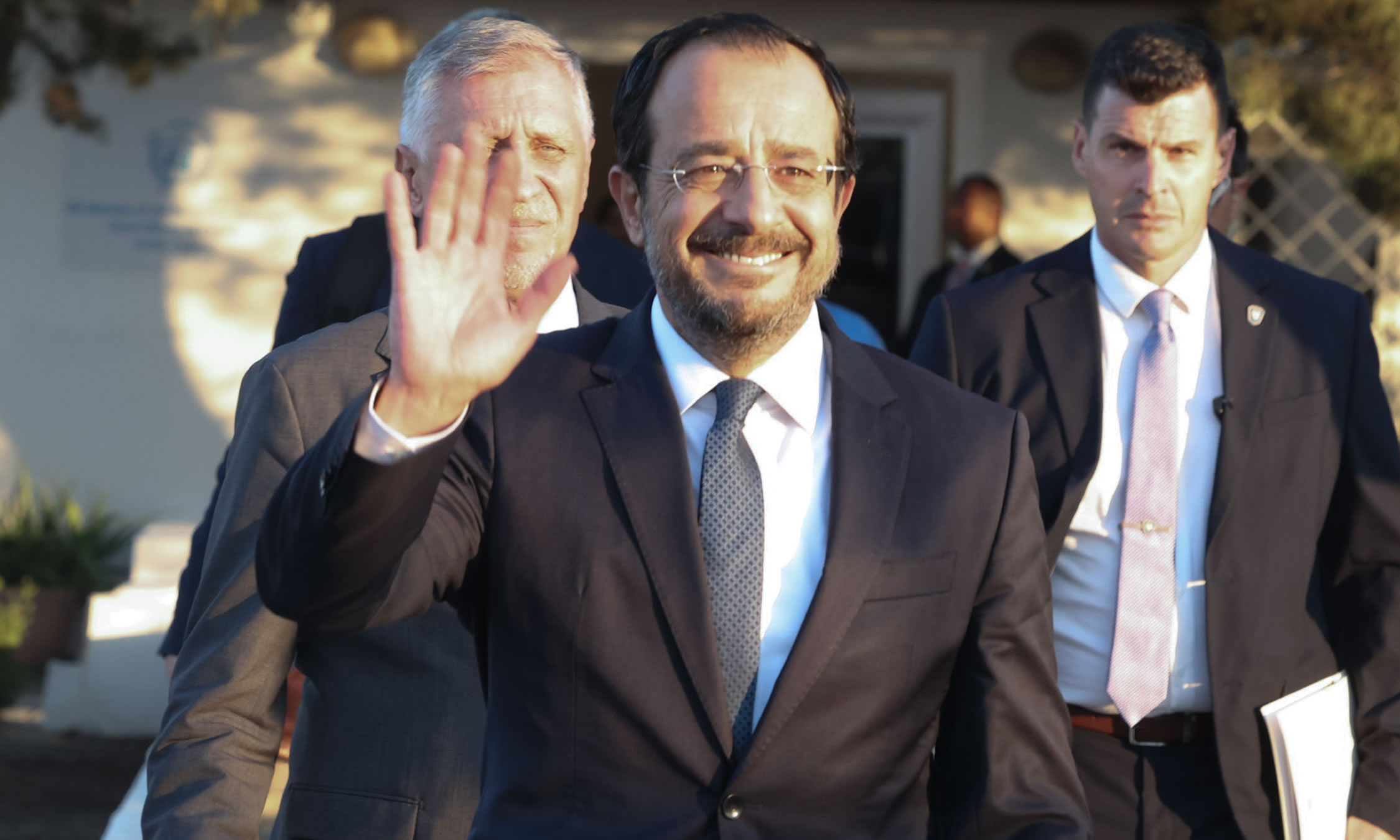
For his part, President Nikos Christodoulides has consistently suggested imminent movement in the peace effort, either through EU involvement, the EU-Turkey track, UN engagement or the leaders themselves.
A breakthrough might truly be ‘just round the corner’ at some point, but hinting that in front of the cameras every time makes the claim less convincing.
A few months back, Christodoulides promised a long sumer of activity on the Cyprus issue. September rains came and his prediction fell flat.
In an interview with Yenidüzen, the president said issues of methodology and substance have more or less been resolved with Erhürman, leaving only CBMs, which are not a prerequisite for a new 5+1.
The Turkish Cypriots would disagree on both counts, while UN Personal Envoy María Angela Holguín has already clarified that Guterres means it when he says make progress on CBMs first.
Last week, when Christodoulides raised the prospect of a trilateral or some other meeting with unclear format in New York, Guterres himself buried the notion, saying, “There is still a lot of work to be done.”
At the last leaders’ meeting, the president said he introduced “new ideas” on 19 specific points to overcome the stalemate which Erhürman did not reject outright. Again, offering hope, he said he’d stay longer in New York if needed.
It’s hard to say either leader’s rhetoric inspires confidence.
Sit rep
Where does that leave the effort to revive a peace process that has been dormant for nine years?
According to a source close to the negotiations, the EU-Turkey track – that is, the effort to link improved relations with parallel progress in the peace talks – has hit a dead end.
Greco-Turkish relations are returning to a state of tension.
President Recep Tayyip Erdogan is manoeuvring for re-election in 2028. As is Christodoulides, while Erhürman is increasingly focused on domestic issues, with ‘parliamentary’ and local elections due in early December.
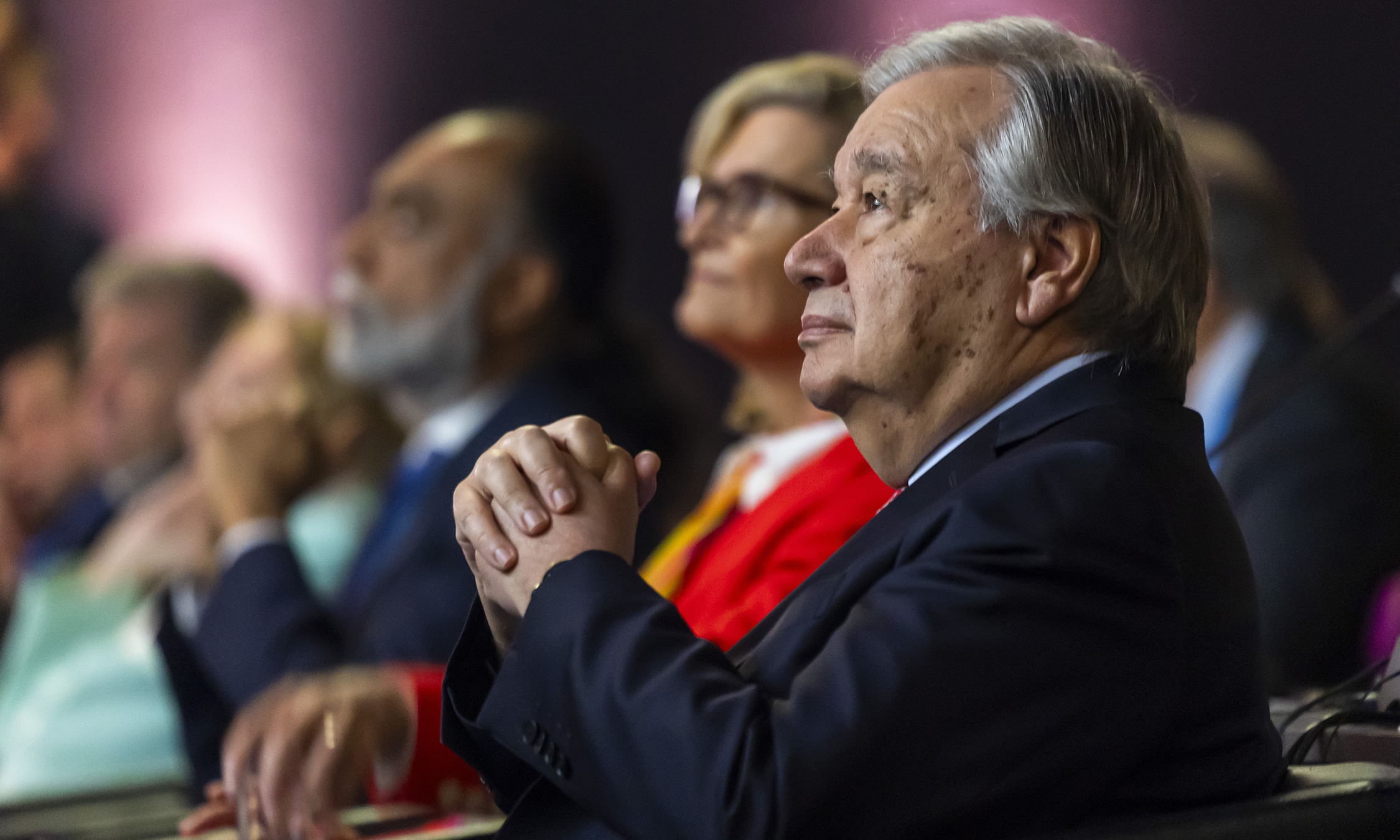
Guterres leaves office at the end of the year as does his personal envoy. Multiple sources have told Politis the outgoing UN Secretary-General is keen to revive the Cyprus file before his tenure ends. He wants to activate the process and give his successor something to work with. But he needs clear signs that all parties are serious about moving forward. He will not waste time again, after convening three expanded meetings in the last five years. The first kept the ball rolling ever so slightly. The second managed to squeeze some CBMs out that proved painful to implement, while the third was effectively considered a failure.
Guterres is not asking for much, but he wants the leaders to show clear political will. Hard to say they have, so far.
In New York, the leaders will meet separately, first with Holguín and then Guterres. Should anything shift and the gap close, there is always a chance of movement.
The alternative is what we have today. If things continue as they are, the failure will fall on both leaders’ heads, though the consequences will be different for each community.
In the meantime, there is so much more the two could do, in rhetoric and practice, to improve the climate.