
The University of Cyprus has presented new research exploring how voters view a possible settlement of the Cyprus issue, focusing on the substance of a future agreement, the negotiation process and confidence-building measures.
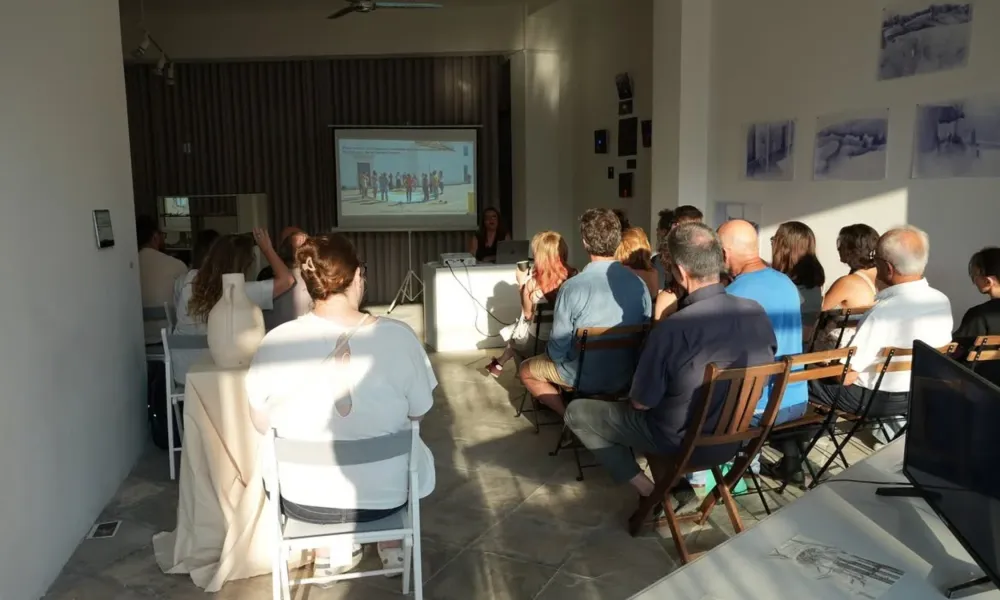
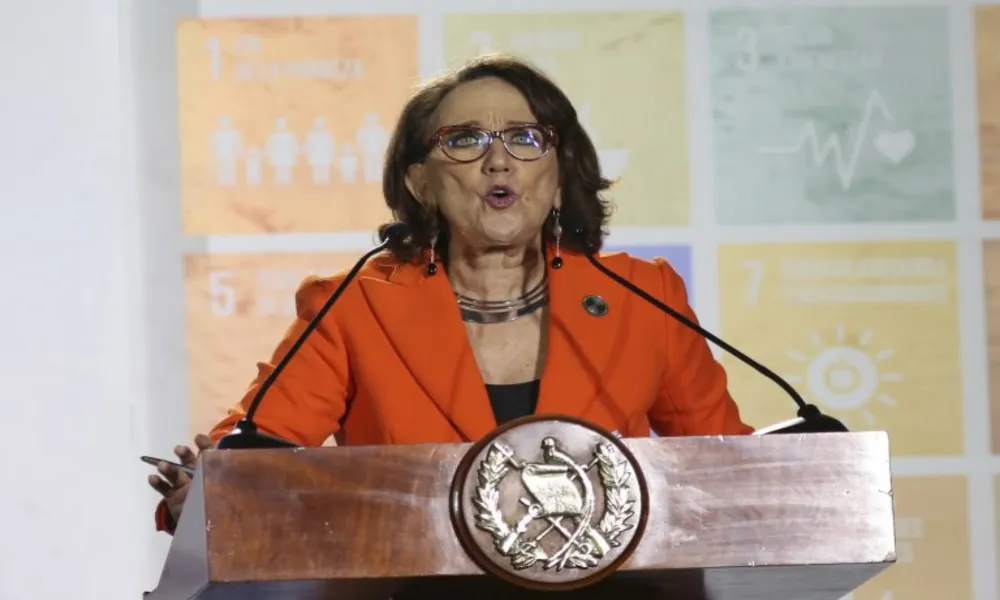
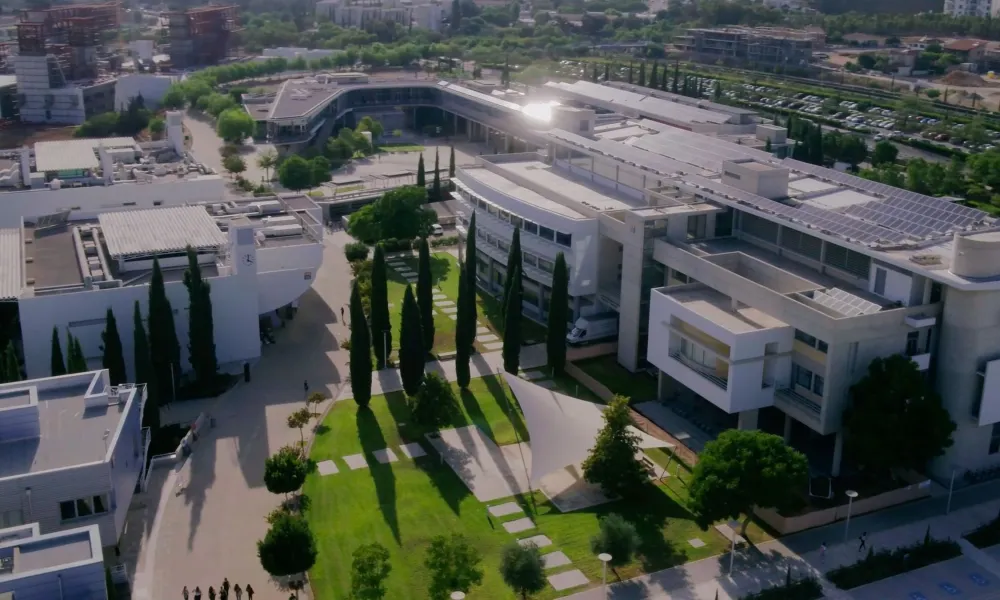
The findings were discussed during a public event titled "Views of Voters on the Solution of the Cyprus Issue: Substance, Process and Confidence-Building Measures", held on 28 October 2026 at the university's Ceremonial Hall.
The discussion brought together speakers and audience members from both communities in Cyprus, as well as diplomats from a number of countries.
The event was organised by the University of Cyprus Centre for Field Studies (UCFS) in cooperation with Decision for Peace and the Cyprus Peace and Dialogue Centre (CPDC).
Professors Charis Psaltis and Neophytos Loizides presented findings from earlier bicommunal studies and from a public opinion survey conducted in the Greek Cypriot community in July 2026.
The presentation examined preferences regarding the terms of a possible settlement, views on the resumption of negotiations, confidence-building measures and relations between the island's two communities.
A key finding of the July 2026 survey was that acceptance of a bizonal, bicommunal federation (BBF) reached 75.3 per cent among Greek Cypriot respondents, surpassing support for a unitary state for the first time on record.
The full survey findings are available here.
The presentation also explored what a BBF settlement might include and how much support different settlement packages could attract.
Drawing on bicommunal conjoint experiments, the researchers presented combinations of provisions that, according to their models, could attract majority support in both communities.
Based on representative samples from both communities, the study identified 118 variants of the Guterres Framework which, according to the model estimates, could secure a "yes" vote from at least 55 per cent of voters in each community.
The researchers also demonstrated a publicly available interactive platform that allows users to build alternative settlement packages and compare their estimated level of support in each community.
The interactive settlement tool is available here.
The panel discussion that followed was moderated by Panayiotis Stavrinides.
Panellists included Amalia Avraam, Dr Meltem Onurkan-Samani, Dr Alexandros Lordos, Themos Demetriou, Candoğan Özkan and Dr Erol Kaymak.
The discussion highlighted the importance of the recently established bicommunal committee on consultative assemblies. Through these assemblies, randomly selected citizens from both communities will be invited to discuss a range of issues and submit proposals to the two leaders.
Several speakers described the initiative as a promising addition to the peace process and a potentially important mechanism for strengthening public participation in discussions on the future of Cyprus.