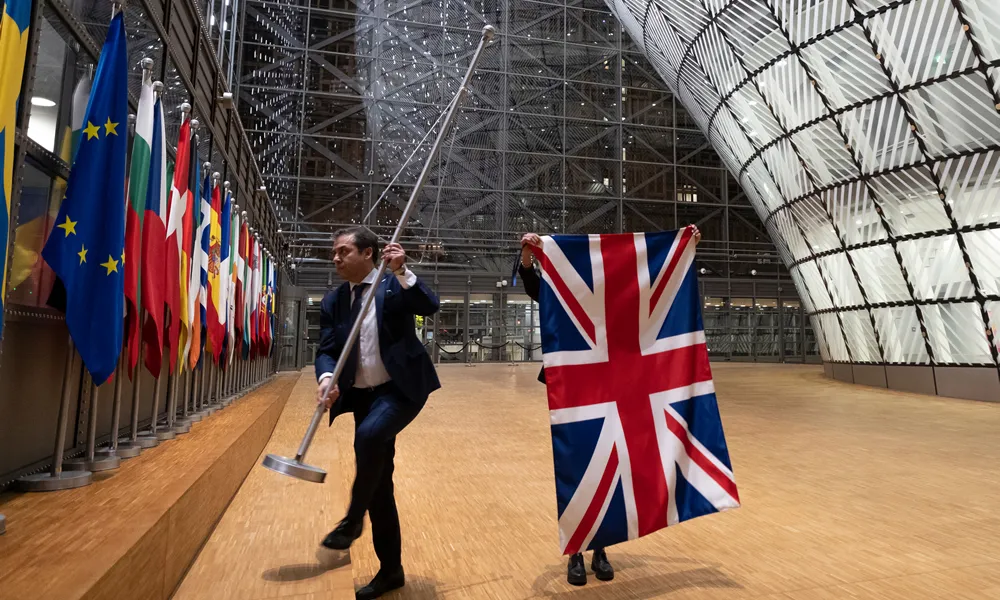



Ten years after Britain voted to leave the European Union, the question of whether it should try to rejoin has returned to the centre of political conversation in London, driven by a crisis at the very top of government. Keir Starmer announced his resignation as prime minister and Labour leader on 22 June, following a string of cabinet departures and a disastrous set of local election results in May that saw Labour lose control of more than half its councils and suffer its worst single loss of councillors in the party's history. Nominations to succeed him open on 9 July and close a week later, with a new leader expected to be in place before Parliament returns from its summer recess.
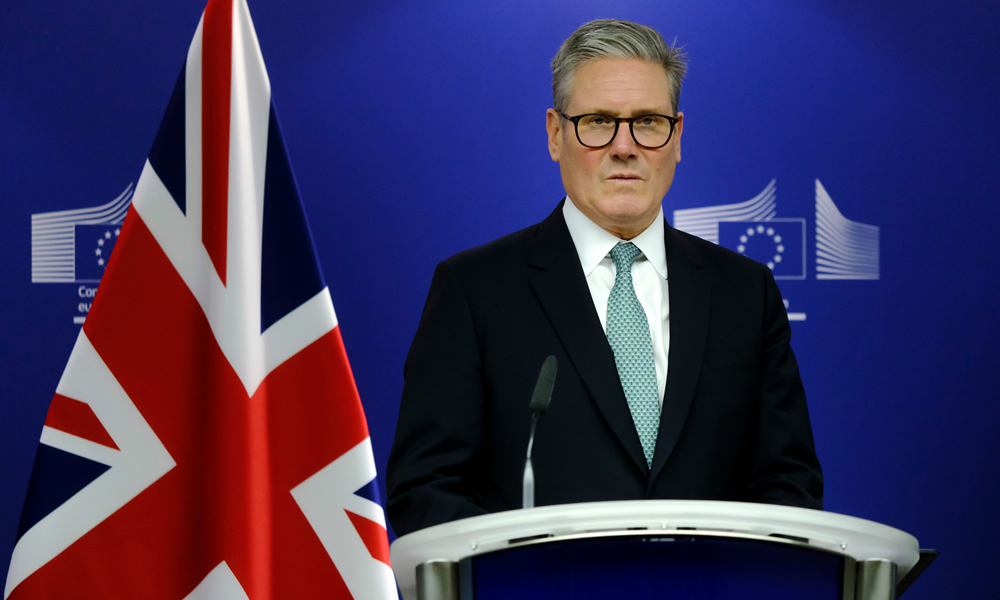
Andy Burnham, the former mayor of Greater Manchester who won a by-election last month specifically to become eligible for the leadership, is now the clear favourite to take over. His path was cleared further after Wes Streeting, previously seen as his main rival, ruled himself out and endorsed Burnham instead. Streeting's own resignation from the Cabinet in May had already reopened the Brexit question in blunt terms. Announcing his departure, he said leaving the European Union had been a catastrophic mistake that had left Britain less wealthy, less powerful and less in control than at any point before the industrial revolution, and argued that Britain needed to remake the case for a new special relationship with Europe.
Burnham's own position on the subject has shifted noticeably over the past year, a shift that says as much about the caution now surrounding this debate as it does about his personal views. At Labour's party conference in October last year, he told a podcast interview that he hoped to see Britain rejoin the European Union within his lifetime and called the benefits of membership undeniable. By May this year, days after Streeting's resignation and with the leadership prize suddenly within reach, Burnham struck a far more guarded tone, insisting he was not proposing that Britain reconsider membership and that he respected the outcome of the 2016 referendum, even as he maintained that Brexit's effects had been damaging.
Where public opinion has moved
Polling suggests the political caution has not caught up with public sentiment. YouGov's most recent tracker, based on fieldwork from early June, found that 55% of Britons now support rejoining the EU outright, up from 51% when the polling organisation began asking the question in its current form in January 2024. An even larger share, 63%, supports closer alignment with the EU without full membership, avoiding the single market, customs union or freedom of movement, and this remains the most popular option even among people who voted Leave in 2016. Separate polling from Ipsos cited by commentator Timothy Garton Ash found support for rejoining reaches 68% among voters aged 18 to 34, a generational divide that suggests the political weight of the argument is likely to keep building over time regardless of what any single government decides.
The government's official position, for now, has not moved with public opinion. Labour's 2024 manifesto ruled out rejoining the single market, the customs union or accepting freedom of movement, red lines the party has stuck to even as it agreed a limited reset of relations with Brussels at a summit in May last year covering food and agriculture standards, energy markets and emissions. Starmer himself opened the door slightly to closer alignment in a January interview, saying Britain should consider deeper single market ties on a sector by sector basis if doing so served the national interest, though he ruled out any return to unrestricted freedom of movement. A more significant shift came in June, when Treasury minister Lord Livermore became the first sitting government minister to publicly back full membership, telling the House of Lords that Britain would eventually re-enter the European Union because doing so was plainly in the country's economic interest.
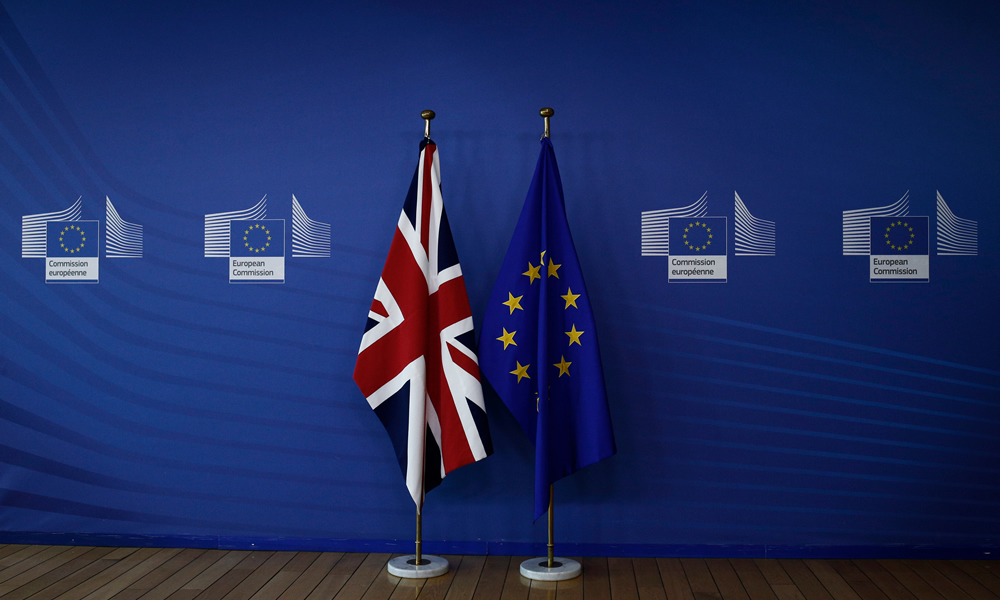
A decade on, old opponents still disagree on almost everything
The tenth anniversary of the referendum brought the argument back into public view. Bloomberg hosted a live debate in London on 10 June between Alastair Campbell, the former Downing Street communications chief who now co-hosts the podcast The Rest Is Politics, and Sir Jacob Rees-Mogg, once the Conservative government's minister for Brexit opportunities and now a GB News presenter. The two found almost no common ground, with Campbell describing the original Leave vote as an act of national self harm and Rees-Mogg tracing the roots of today's political turmoil back to divisions within the Conservative Party over Europe in the 1990s. Writing afterwards in the New Statesman, one attendee noted that despite the sharp disagreement, both men agreed on one thing: neither expects a second referendum on membership any time soon. The exchange still had a long tail. In the days that followed, Rees-Mogg predicted on social media that the European Union itself would not exist within a generation, a claim that drew swift pushback online, with critics pointing out that the actual trend since Brexit has run in the opposite direction, with more countries seeking to join the bloc rather than leave it.
That wider European picture is central to Garton Ash's own critique of how Britain is having this conversation. Writing in the Guardian in June, he argued that the British debate about rejoining remains almost entirely inward looking, focused on what would benefit Britain economically with little attention paid to what the rest of Europe actually wants or expects from any future negotiation. He pointed out that the European Union currently has nine officially recognised candidate countries, including Ukraine and Montenegro, that Iceland is holding a referendum in August on resuming its own accession talks, and that a fresh debate over membership has reopened even in Norway, a country that has twice rejected joining. Rejoining, he argued, would require a sustained and patient campaign of persuasion on both sides of the Channel, not simply a change of government in London.
The economic argument remains contested
Much of the practical case for rejoining rests on estimates of what Brexit has already cost the British economy. The think tank UK in a Changing Europe estimates Brexit had reduced UK GDP growth by between 6% and 8% as of last year, while the Office for Budget Responsibility projected in a 2025 assessment that both exports and imports would remain around 15% lower in the long run than they would have been inside the EU. These figures are disputed by pro-Brexit campaigners. The advocacy group Brexit Facts4EU published a direct challenge to Burnham this week, citing official data from the Office for National Statistics and Eurostat to argue that UK growth has in fact outpaced Germany, France and Italy since the referendum, and that the commonly cited GDP loss figures are not supported by the underlying statistics. The dispute over which numbers accurately capture Brexit's economic effect remains one of the most contested and unresolved threads in the wider debate.
Any formal move to rejoin would face a demanding legal and political process regardless of domestic politics. Rejoining would fall under Article 49 of the treaty governing EU enlargement and would require the unanimous agreement of all member states. Analysts have suggested the EU would want to see durable, sustained public support well above current polling levels, given the risk that a future British government, particularly one led by the currently ascendant Reform UK, could reverse course again. A proposal first floated by France and Germany in 2023 raised the possibility of an intermediate associate membership status, offering access to the single market without full customs union membership in exchange for accepting the jurisdiction of the European Court of Justice and continuing budget contributions, though this remains a proposal rather than an agreed framework. European Commission President Ursula von der Leyen has said she personally supports the idea of Britain eventually returning to the bloc.
For now, the conversation remains speculative rather than operational. But the combination of a leadership change likely to install a more openly pro-European figure in Downing Street, a government minister breaking ranks to back membership outright, and a public mood that has shifted steadily away from the 2016 result over the past four years means the question is no longer confined to the political fringes it occupied for most of the past decade.
Sources: Al Jazeera, Institute for Government, TIME, Bloomberg, The Guardian, European Council on Foreign Relations, New Statesman, YouGov