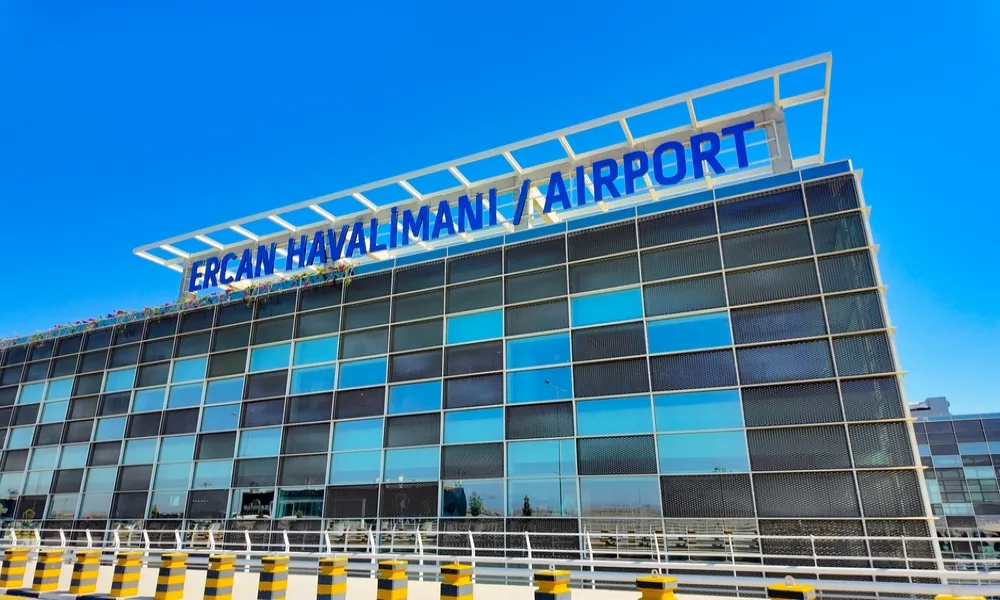

High air fares to the occupied areas are not the result of airline profit margins, but of increased taxation and higher charges imposed by the company managing the illegal airport at Tymbou, Pegasus Airlines representative Zeki Ziya has said.
According to Turkish Cypriot daily Halkın Sesi, Ziya was commenting on recent remarks by so-called “transport minister” Erhan Arıklı, who suggested that flights between Turkey and the breakaway regime could be treated as domestic flights within Turkey.
Ziya rejected the idea, saying domestic flight status would mean the absence of immigration and customs procedures, and would not be possible under current conditions.
“Domestic flights mean no immigration procedures, no customs and no registration. It implies that the area would be open to everyone. This is impossible under the current situation,” he said. “Domestic flight status and the application of domestic flight taxes are different things.”
He added that the privatisation of the illegal airport at Tymbou had increased costs for airlines. In the past, he said, flights from airports in Turkey to the occupied areas were not charged overnight parking or ground-handling fees, while a 50 per cent discount was also applied.
Those arrangements were abolished after privatisation, Ziya said, pushing up operating costs. He added that he had warned the relevant authorities in the north in advance, but that his warnings were ignored.
Ziya also criticised the imposition of VAT on departure taxes, saying this directly affects ticket prices.
“We are the only place in the world that charges VAT on departures,” he said. “This directly increases the cost of tickets. It is unrealistic to expect very cheap fares under these conditions.”
Responding to criticism from Arıklı and others over high ticket prices, Ziya said the relevant services in the north could refuse to issue flight permits if they wished. However, he added that no airline would operate routes that generate losses.
“No company will engage in an activity that leads to losses. We would not knowingly head towards failure. In such a case, they would also suspend our flights,” he said.
Ziya also referred to Pegasus’ past involvement in efforts to establish a new airline after Cyprus Turkish Airlines, known as KTHY, ceased operations.
He said Pegasus had reached an agreement with the then administration under İrsen Küçük to acquire 50 per cent of KTHY. After the agreement was announced, Ziya claimed, Küçük asked Pegasus for an additional $5 million.
Pegasus refused to pay, he said, and the agreement was later concluded with another company.
Following that experience, Ziya questioned how Pegasus could trust the administration in the north again or enter talks on the creation of a new airline.
Source: CNA