
For many dog owners in Cyprus, summer raises the same question every year: where can pets legally go into the sea?
The answer is not every beach. Although Cyprus has designated coastal areas where dogs are allowed to swim, most organised bathing areas remain subject to restrictions. Owners who take their pets to the coast are expected to use the specific beaches set aside for dog bathing and to comply with local rules on safety, hygiene and documentation.
The issue is not only one of convenience. It also falls under Cyprus beach legislation, local authority enforcement and wider obligations placed on dog owners. During the summer season, when beaches are crowded and temperatures are high, the rules become especially important.
What the law says
The legal basis is the Beach Protection Law, Cap. 59, available through CyLaw.
Article 5D of the law regulates activities that are prohibited on beaches. These include leading or allowing animals to cross a beach, as well as bathing animals in the sea, except where the law provides otherwise.
For dogs, the central exception concerns areas designated by the Central Beach Committee as dog bathing areas. These are the official dog beaches, where local authorities are responsible for marking the boundaries and applying the rules on the ground.
The law was later amended to allow dogs in coastal areas that have not been designated as organised bathing areas. However, that does not mean dogs can be taken to any beach without restriction. Protected areas, including beaches that fall within the Natura 2000 network, remain subject to stricter rules unless they have been specifically designated for dog bathing.
The law also includes an exception for trained assistance dogs used by blind people or people with disabilities, allowing them to accompany their users where needed.
Owners remain responsible for complying with the Dogs Law and any local authority rules. Dogs must be properly vaccinated, while owners should carry the dog’s health booklet or relevant documentation and present it if requested by the competent authority.
Breaches of the Beach Protection Law can be handled by the relevant local authority. In practice, owners should treat signs, marked boundaries and municipal instructions as binding, rather than assuming that a quiet or remote beach is automatically open to dogs.
Where dogs can swim
Cyprus has a limited number of designated dog beaches in the government-controlled areas. They are spread across the Nicosia, Larnaca, Paphos, Limassol and Famagusta districts, with access, facilities and sea conditions varying from one location to another.
Steratzia beach, Kato Pyrgos
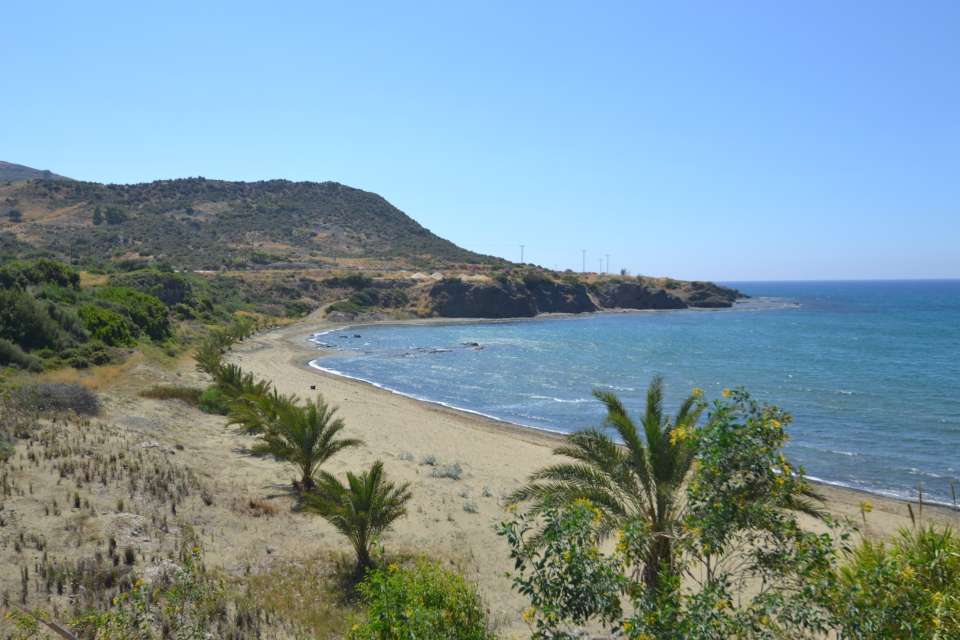
The designated dog beach in the Nicosia district is at Steratzia beach in Kato Pyrgos, in the Tylliria area, on the island’s north-western coast.
It is one of the more remote options on the list and is far from the main coastal resorts. Owners planning to visit should check access before travelling and arrive prepared, as facilities may be limited.
Kassianes, also known as Spyros Beach, Larnaca
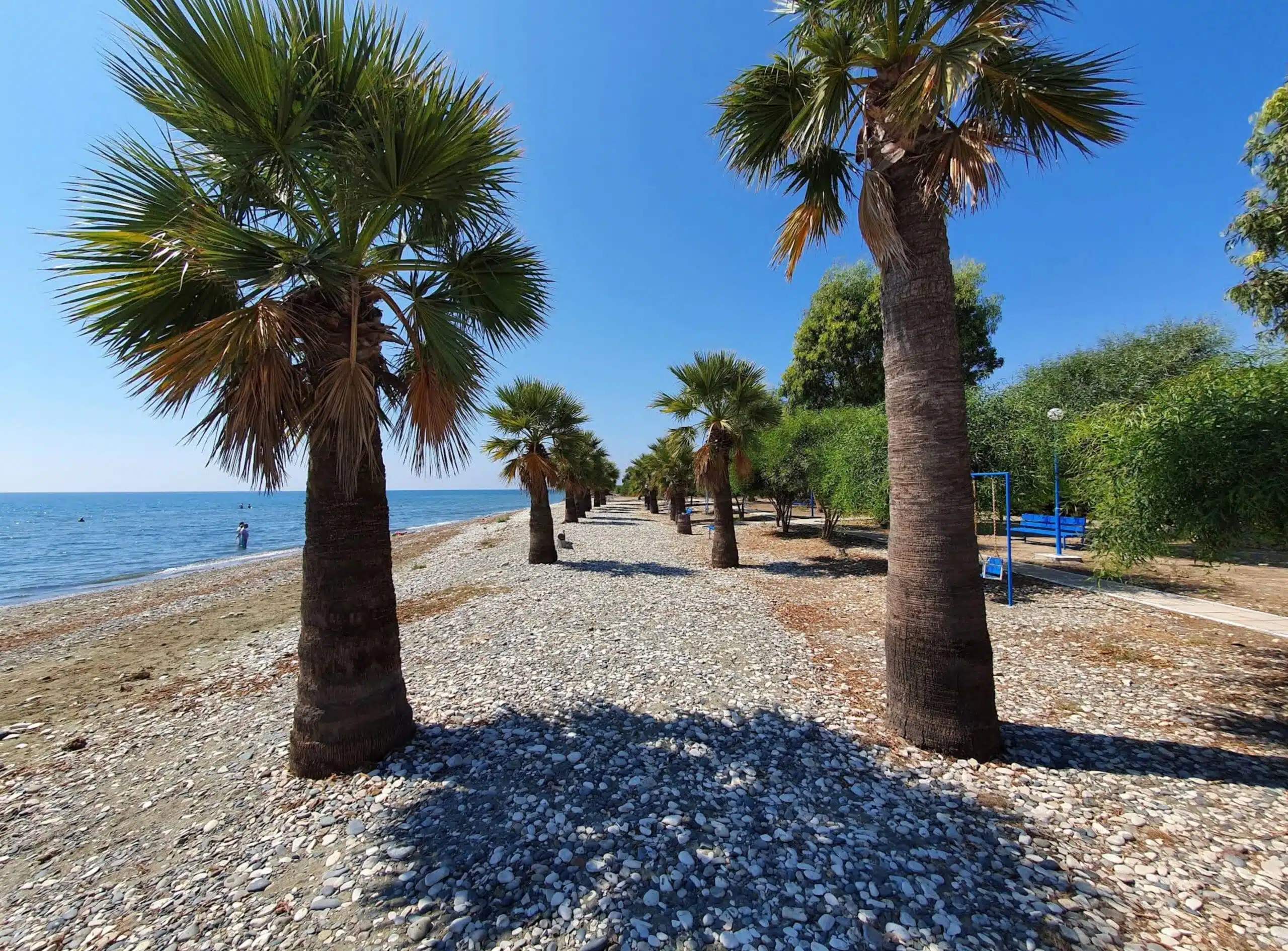
In Larnaca, the designated dog bathing area is at Kassianes, also known as Spyros Beach, south of Larnaca airport.
The area has been used as an organised dog bathing beach, with local authorities previously reminding visitors to stay within the marked section and follow the rules on documentation, leashes and hygiene. Because it is among the better-known dog beaches in Cyprus, it can attract more visitors during the summer months.
Acheleia beach, Paphos
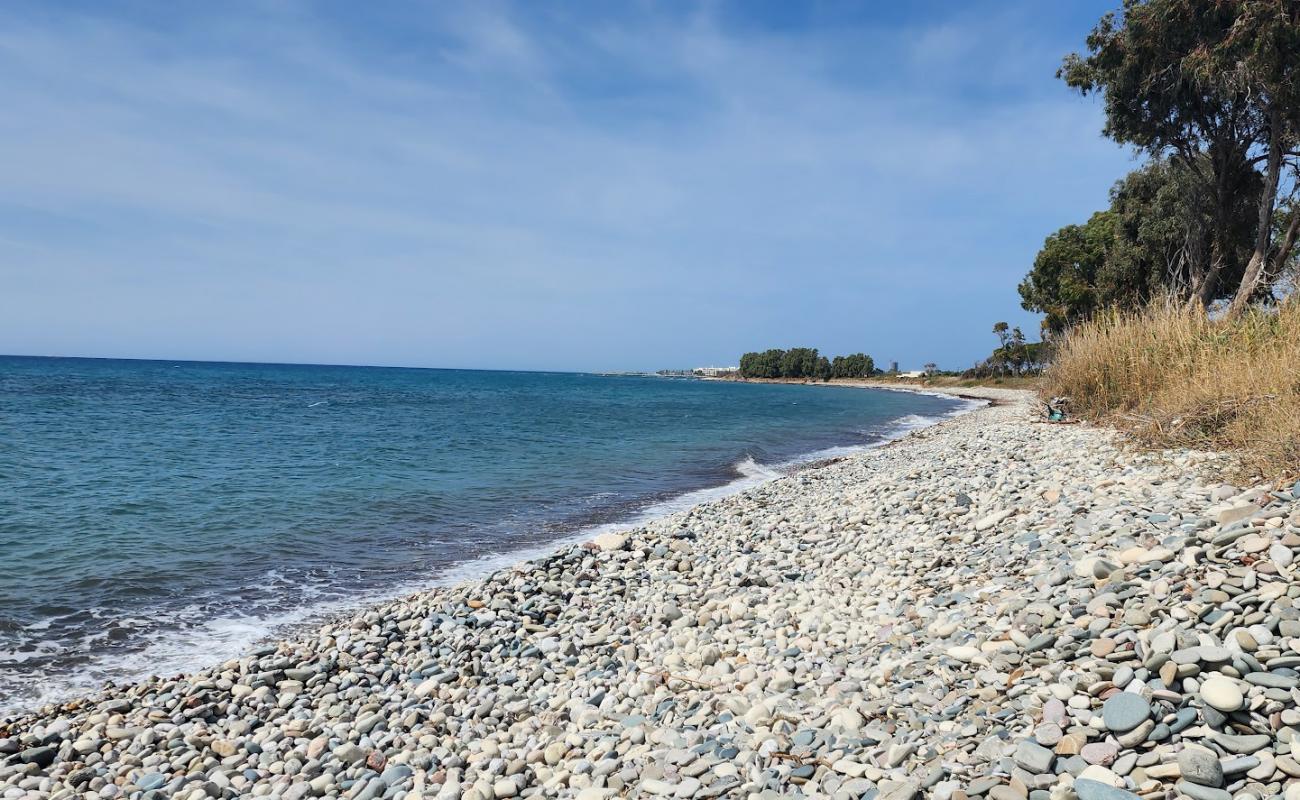
One of the two designated dog beaches in the Paphos district is located north-west of Paphos airport, near the mouth of the Ezousa river in Acheleia.
Its position away from the main organised beaches makes it a practical option for owners in the wider Paphos area. Visitors should still check local signs and avoid assuming that nearby stretches of coast fall within the designated dog bathing area.
Pitili beach, Neo Chorio
The second designated dog beach in the Paphos district is in the Pitili area, east of the mouth of the Platani river, within the limits of Neo Chorio.
This is a more remote coastal option and may appeal to owners looking for a quieter beach. As with other designated areas, dogs should remain under control and owners should carry the necessary documents.
Karavopetra beach, Monagroulli
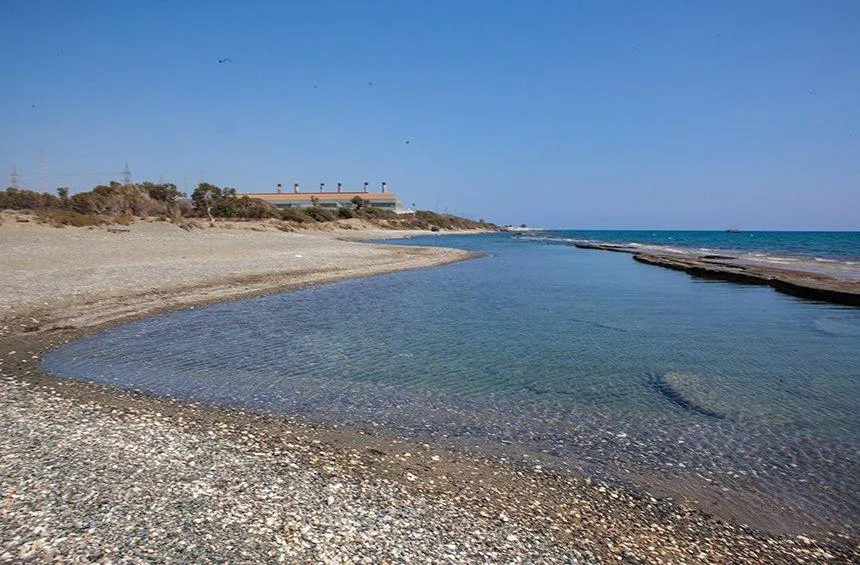
In Limassol district, Karavopetra beach is one of the two listed dog bathing areas. It is located in the Monagroulli area, near the eastern side of the Limassol coastline.
The beach is known as a more natural coastal spot, with rocks close to the shore. Owners should assess the sea conditions before allowing dogs into the water, especially if the dog is young, elderly or not a confident swimmer.
Prolimnos beach, Pissouri
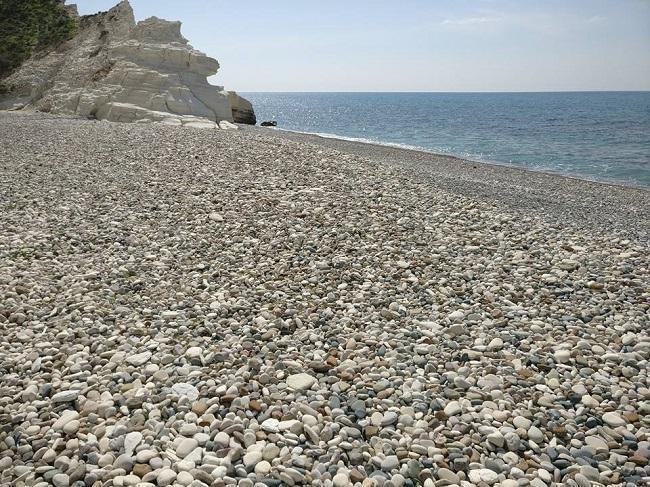
The second dog beach in Limassol district is at Prolimnos, west of Pissouri.
The area is more isolated than the main Pissouri beach and is usually reached through less developed access routes. Owners should plan ahead, especially in summer, by bringing water, waste bags and shade.
Potamia beach, Kapparis
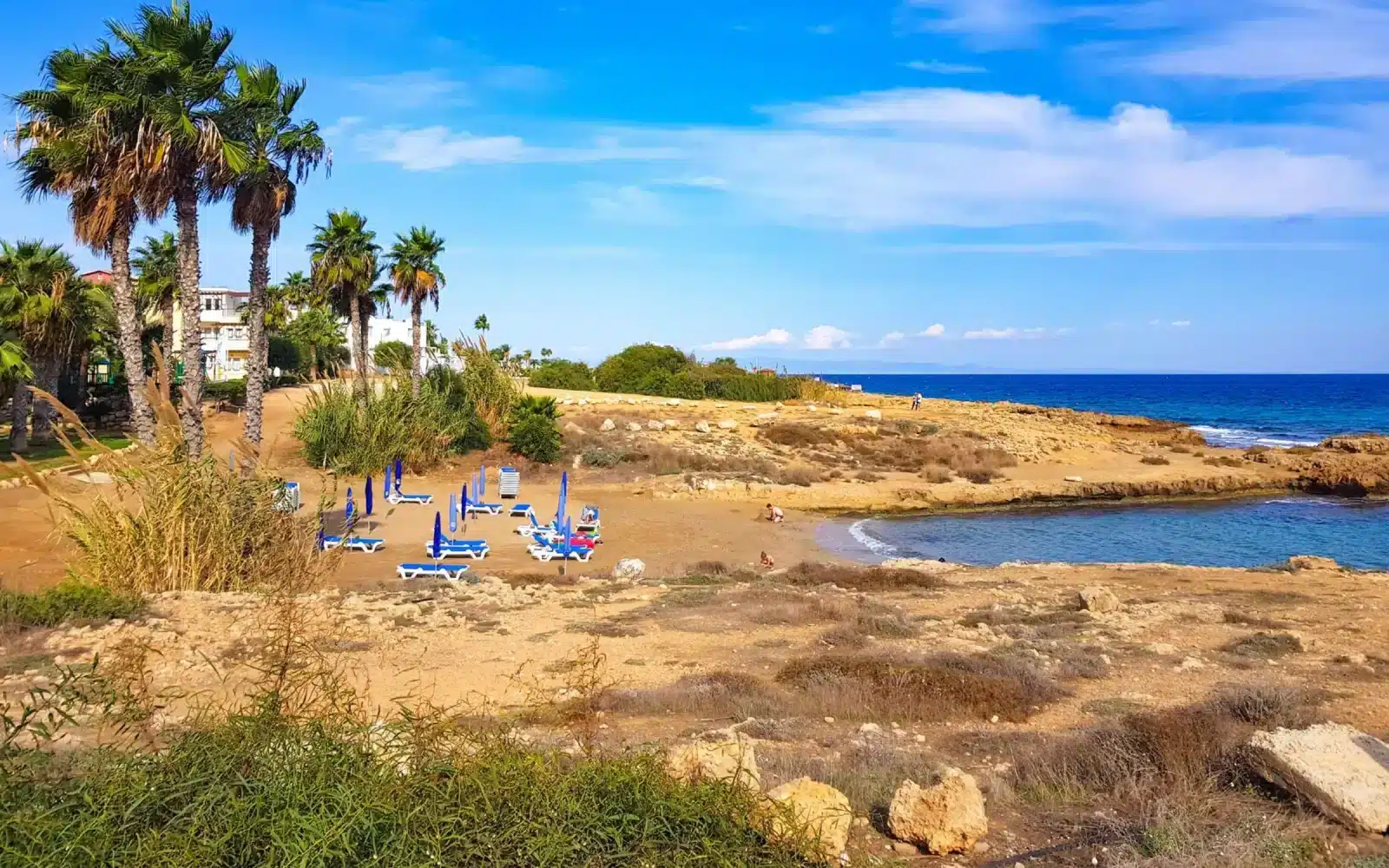
In the Famagusta district, the Municipality of Paralimni-Deryneia has referred to Potamia beach, in the Kapparis area, as a dog-friendly beach.
The municipality has said that sunbeds, umbrellas and toilets are provided there free of charge for visitors with dogs. It has also clarified that dogs are allowed only on the specific designated beach area, meaning owners should stay within the marked limits and follow the rules displayed on site.
Rules at the beach
Dog-friendly does not mean unrestricted. Municipal notices make clear that owners must use only the designated area, usually marked by signs or fencing.
Owners may be required to carry the dog’s ownership permit and health booklet. Dogs should be registered and vaccinated, while relevant health certificates should be available if requested by the authorities.
Dogs must generally be kept on a leash when on the beach, especially when outside the water. Aggressive dogs may be required to wear a muzzle. Owners are also responsible for cleaning up after their pets and preventing them from fouling the sea.
Local authorities have warned that violations can lead to fines imposed by the competent authority.
Planning matters in summer
The practical conditions at dog beaches can vary considerably. Some areas have basic facilities, while others are more isolated and may not offer shade, easy access or nearby services.
Owners should bring fresh water, waste bags, a leash and some form of shade, particularly during the hotter months. They should also avoid taking dogs to the beach during the peak heat of the day, when sand, rocks and pavements can become dangerously hot.
Sea conditions are another factor. Some designated areas may be rocky or exposed, and not all are suitable for every dog. Older dogs, puppies and pets with health issues may be more vulnerable to heat and exhaustion.