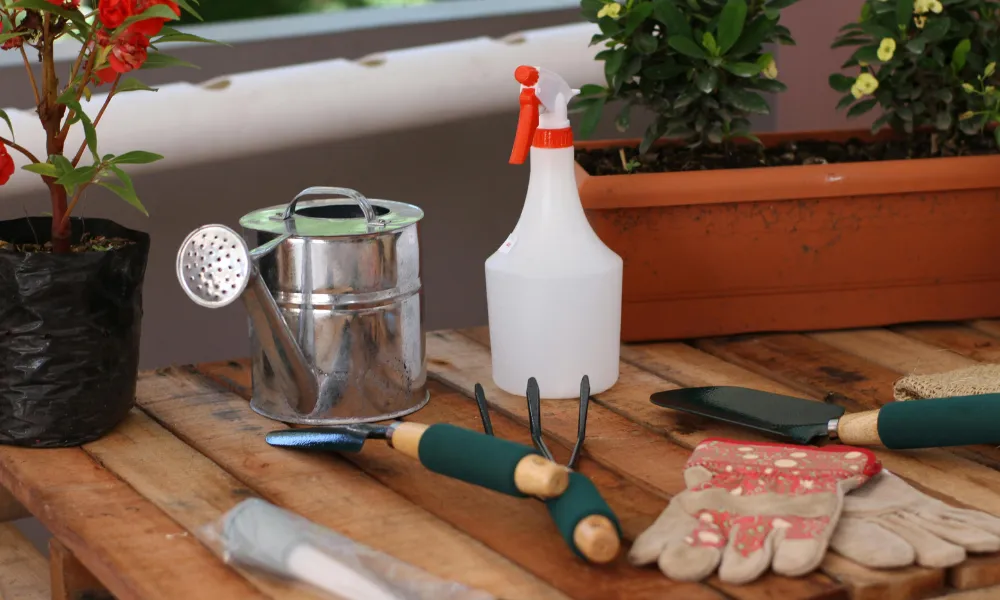

Spring is the most active and important period for gardeners. After months of winter dormancy, plants begin to wake up, and gardens require preparation to ensure healthy growth throughout the year. Experts say that a well-organised spring garden routine can improve plant health, reduce pests and create stronger soil conditions for the months ahead. Here are ten essential tasks that can help prepare any garden for the new growing season.
1. Inspect the garden after winter
One of the first steps is conducting a thorough garden inspection once temperatures begin to rise. Gardeners should look for damage caused by snow, frost or ice, including broken branches, weakened plants or structural issues. It is also useful to check fences, sheds, trellises and garden benches for wear or movement. Evidence of animal activity such as burrows from moles, rabbits or rodents may also appear during early spring.
2. Repair hardscape structures
Before soil becomes workable, early spring is a good time to repair non-plant elements in the garden. This includes fixing retaining walls, levelling stepping stones, cleaning gutters and repairing fences or raised beds. Wooden structures may also benefit from repainting or sealing once temperatures allow. Addressing these structural tasks early prevents disruption once plants begin growing.
3. Clean up garden beds
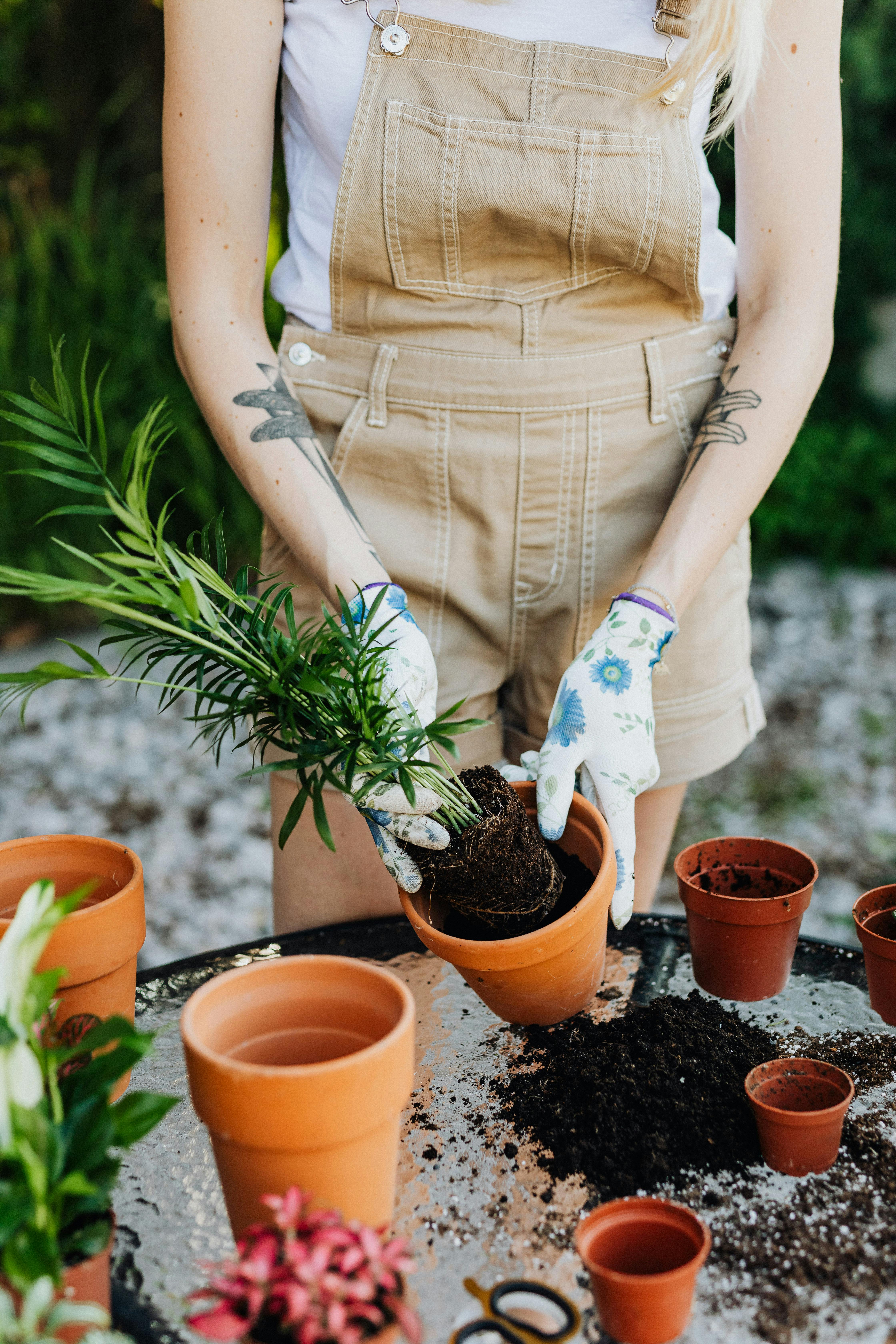
A proper spring cleanup helps prevent pests and diseases. Garden beds should be cleared of fallen branches, dead leaves, dried perennial foliage and any leftover annual plants from the previous season. Removing debris improves airflow and reduces the chances of fungal problems. Bird baths, containers and water features should also be cleaned and disinfected before being returned to use.
4. Test the soil
Soil testing is recommended every three to five years to evaluate nutrient levels and soil composition. A soil test can reveal whether the soil lacks essential nutrients or contains excessive levels of elements such as phosphorus. The results help gardeners choose the right fertilizers or soil amendments. Local agricultural extension services often provide instructions on collecting and submitting soil samples.
5. Enrich the soil
Once soil needs are understood, gardeners can improve soil health by adding organic materials. Applying compost, humus or well-aged manure in early spring helps enrich the soil and support plant growth. Organic slow-release fertilizers may also be added around shrubs and perennials. Natural soil organisms such as earthworms will gradually incorporate these materials into the soil.
6. Prune damaged plants
Spring pruning helps remove winter damage and encourage new growth. Broken branches, dead wood and frost-damaged stems should be cut back using sharp pruning tools. Many shrubs that bloom later in the year, such as hydrangeas or butterfly bushes, can also be pruned in spring because they flower on new growth. However, early spring bloomers such as lilacs, azaleas and forsythia should not be pruned at this time because their buds formed the previous year.
7. Divide and transplant perennials
Spring is a good time to divide perennials that have grown too large or crowded. Plants that bloom during summer or autumn are typically divided in spring, while spring-flowering plants are better divided in autumn. This prevents disrupting their flowering cycle. Shrubs can also be transplanted while dormant to reduce stress on the plant.
8. Install plant supports
Many perennial plants need structural support as they grow. Early spring is the best time to install stakes, trellises or plant rings before stems become tall and fragile. Plants such as peonies or delphiniums often require support later in the season. Installing supports early avoids damaging plants once they begin growing.
9. Plant early-season flowers
Some plants tolerate cooler temperatures and can be planted early in the season. Flowers such as pansies, nemesia, sweet alyssum and lobelia can be placed in containers or garden beds before the soil fully warms. However, most annual flowers should be planted only after the final frost date for the region. Checking local climate guidelines can help determine the safest planting time.
10. Prepare for late frosts
Even after warm days appear, late spring frosts remain possible in many regions. Gardeners should keep protective materials such as cloth sheets or row covers ready to shield delicate plants if temperatures drop suddenly. Experts advise avoiding plastic coverings, which can trap cold air against plants and cause additional damage.