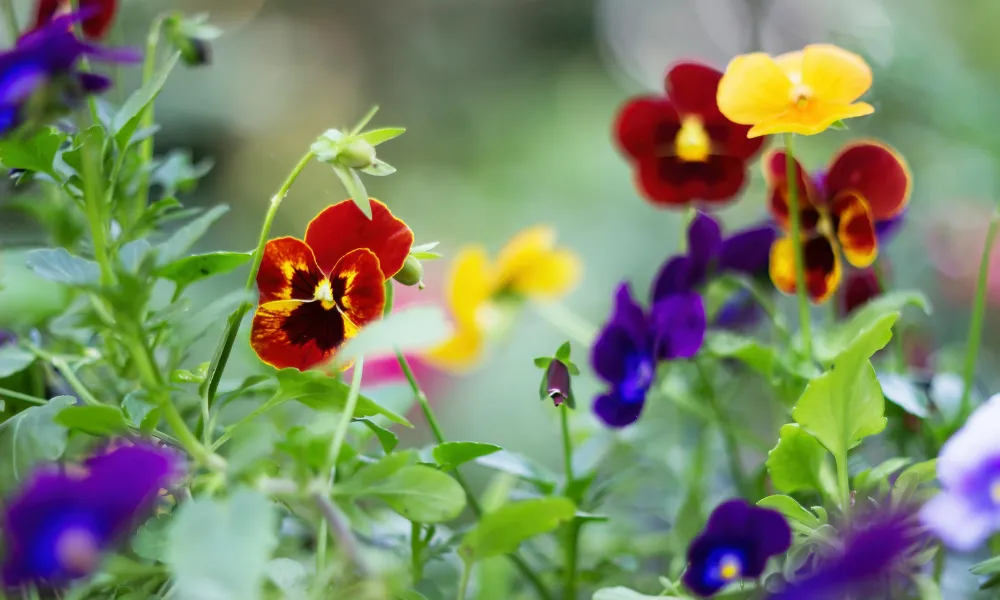

For many gardeners, the first days of spring in the garden feel almost therapeutic. After months of winter dormancy, digging into the soil and planting the first seeds marks the true start of the growing season. However, spring weather can still be unpredictable. Warm sunny days often alternate with cold nights, making it too early for heat-loving crops such as tomatoes, peppers or sunflowers.
Fortunately, many vegetables, herbs and flowers thrive in cool conditions and can be planted weeks before the last expected frost. Gardeners usually begin with hardy crops that germinate quickly and tolerate fluctuating temperatures.
Here are twelve plants that are ideal for early spring planting.
Lettuce
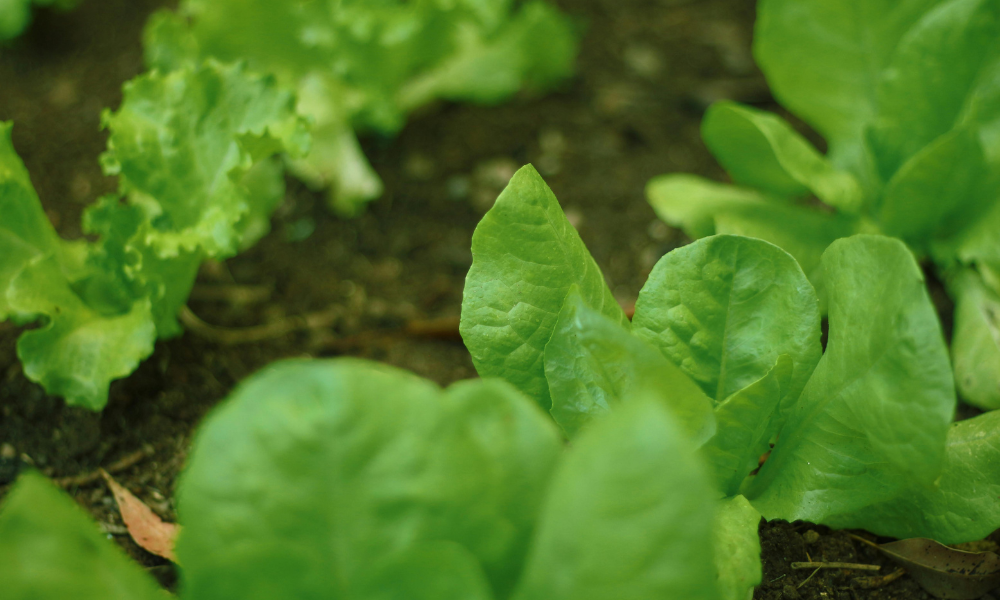
Lettuce is one of the fastest-growing crops for early spring gardens. Instead of waiting for full lettuce heads to mature, many gardeners prefer mesclun or mixed leaf varieties, which grow quickly and can be harvested as baby greens. Seeds can be planted about four weeks before the final frost, with leaves ready to harvest in roughly three weeks.
Pansies and violas
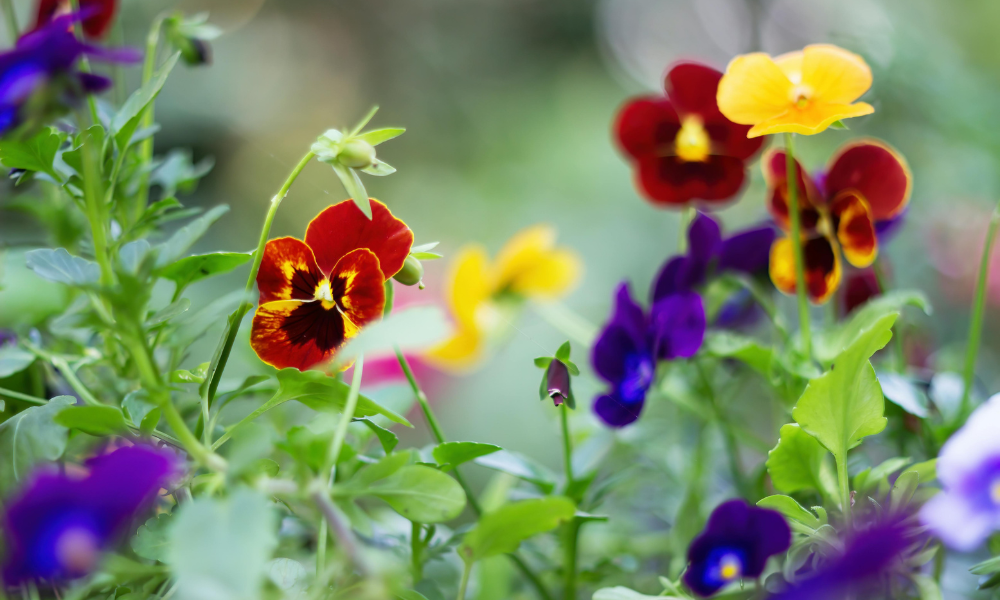
These colourful flowers are among the toughest early-season bloomers. Pansies and violas tolerate frost surprisingly well and can even recover after light snowfall. While they can be grown from seed, many gardeners prefer purchasing young plants from nurseries for instant spring colour.
Sorrel
Sorrel is a lesser-known leafy green with a distinctive lemony flavour that adds freshness to salads and soups. Although technically a perennial plant, many gardeners sow new sorrel seeds each spring about one month before the final frost to expand their harvest.
Kale
Kale is one of the most cold-resistant vegetables. Young leaves are tender and slightly sweet, especially varieties such as Red Russian and White Russian kale. Seeds can be planted two to four weeks before the last frost, allowing the plant to develop early in the season.
Sweet peas
Sweet peas are climbing flowers known for their fragrant blossoms and delicate pastel colours. They grow best when planted early, about six to eight weeks before the final frost, and should be given a trellis or support to climb as they grow.
Mustard greens
Mustard greens add a peppery flavour to salads and cooked dishes. These leafy greens thrive in cool temperatures and are typically sown three to four weeks before the last frost. They tend to fade once summer heat arrives.
Nigella
Nigella, also known as love-in-a-mist, produces delicate flowers that attract pollinators. These plants do not transplant well, so seeds should be sown directly into the soil in early spring as soon as the ground becomes workable. Planting new seeds every few weeks helps extend the blooming season.
Swiss chard
Swiss chard is one of the most productive greens in the garden. It grows well in cool weather but also tolerates heat later in the season. Seeds can be planted about one month before the final frost, making it a reliable crop for continuous harvesting.
Parsley
Parsley prefers cooler temperatures and benefits from early planting. Seeds are usually sown six weeks before the last frost, though germination can take several weeks. Soaking parsley seeds overnight may help speed up the process.
Peas
Fresh peas are a highlight of late spring harvests. Seeds are typically planted four to six weeks before the last frost, and plants should be given a trellis to support their climbing vines.
Spinach
Spinach is another cold-tolerant leafy green. It can be planted four to six weeks before the final frost and grows best in cooler temperatures. Because spinach tends to bolt quickly in heat, early planting ensures a longer harvest window.
Cilantro
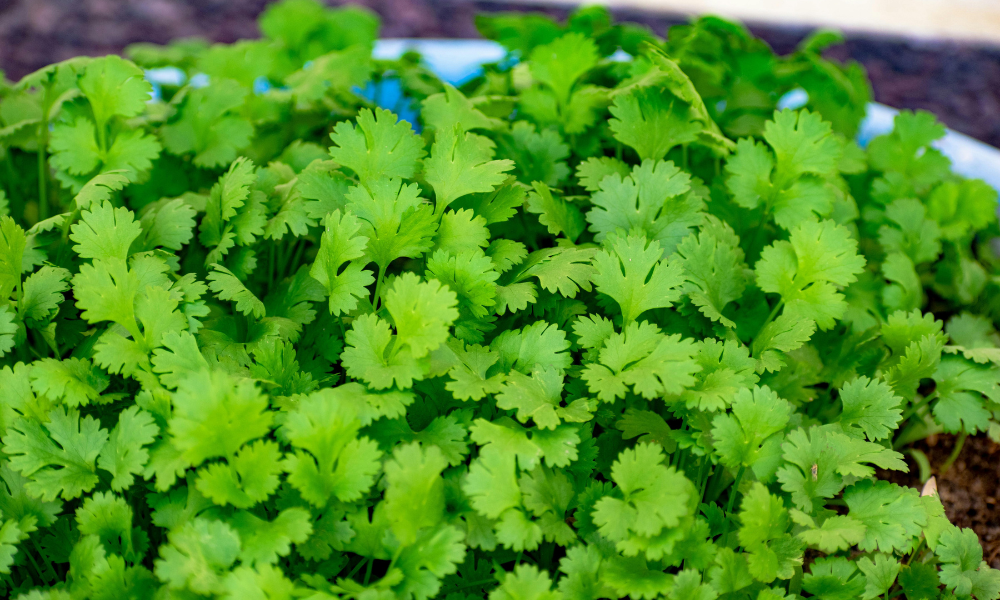
Cilantro thrives in cool weather but struggles in heat. Seeds should be sown about four weeks before the final frost, allowing the herb to grow before temperatures rise. Even after the plant bolts, gardeners can harvest its seeds, which are known as coriander.