
“Pourgouri pilaf” is one of those dishes that quietly carries the weight of Cypriot tradition. Simple in its ingredients yet rich in character, it reflects a time when food was not just prepared, but produced, shared and remembered.
According to material from the Cyprus Food Museum, bulgur, the core ingredient of the dish, was once made at home rather than bought. Families would process wheat themselves, roasting it and leaving it out in the sun for several days to dry. It was a slow, collective process, closely tied to daily life.
A dish built on simplicity
At its core, pourgouri pilaf is made with bulgur cooked alongside tomatoes and onion. Olive oil, water and salt complete the base, while some variations include vermicelli or a touch of lemon for added depth.
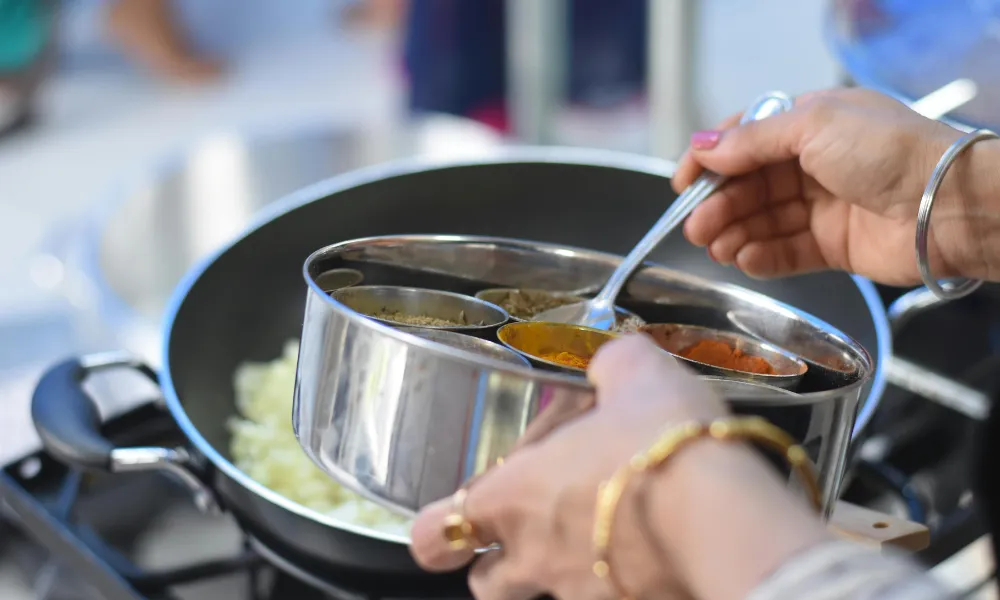
The method is straightforward. The onion is lightly fried until golden, tomatoes are added to form a thick sauce, and water is brought to the boil before the bulgur is introduced. The mixture is then cooked until the liquid is absorbed, resulting in a soft, aromatic pilaf.
Different versions of the recipe exist across Cyprus, each reflecting local preferences and available ingredients. Some incorporate vermicelli for texture, others rely more heavily on tomato, while certain regional variations introduce unexpected pairings.
Local variations and identity
One such variation, documented in the Cyprus Food Museum, comes from the village of Agia Marina, where the dish is combined with white grapes. This version is considered unique to the area, highlighting how local traditions shape even the most familiar recipes.
These differences are not deviations but expressions of identity. They show how a single dish can evolve while remaining recognisably the same.
More than a recipe
Pourgouri pilaf is not defined by complexity or refinement. Its value lies in its continuity. It is a dish that moves from one generation to the next, carrying with it methods, habits and small details that might otherwise be lost.
Today, it remains present in Cypriot kitchens, not as a nostalgic relic, but as a living part of everyday cooking.
All information in this article is based on material from the Cyprus Food Museum.