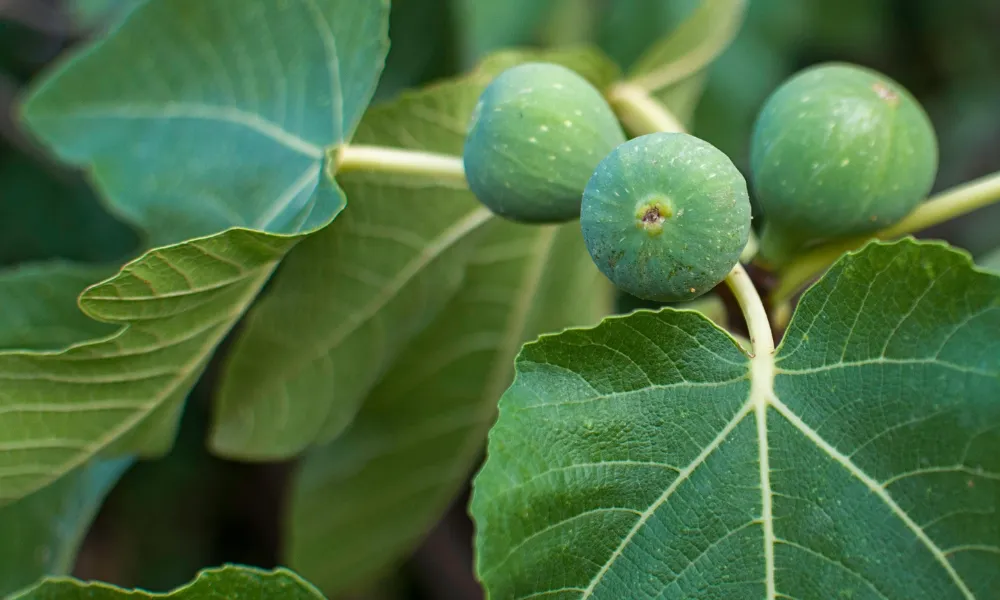

Across Cyprus, fig trees grow almost effortlessly: in village courtyards, abandoned fields, mountain roadsides, urban gardens and family backyards. They survive intense heat, dry summers and poor soil with remarkable resilience, making them one of the island’s most beloved and recognisable trees.
For generations, the fig tree has symbolised abundance, simplicity and Mediterranean living. Most Cypriots associate it with childhood summers, freshly picked fruit eaten straight from the branch, or grandmothers drying figs under the August sun. Yet beyond the sweet fruit itself, the fig tree offers far more than many people realise.
Its leaves, shade, medicinal properties and culinary uses have been quietly valued for centuries, long before modern wellness trends rediscovered them.
A Tree Perfectly Suited to Cyprus
The Mediterranean climate of Cyprus creates ideal conditions for fig trees to flourish. They thrive in hot dry summers and mild winters, often requiring very little maintenance once established. This resilience explains why fig trees are found almost everywhere on the island. Even neglected trees can continue producing fruit year after year.
Unlike more delicate crops, fig trees adapt easily to difficult terrain and drought conditions, making them especially valuable in a region increasingly affected by climate pressures and water scarcity. In traditional Cypriot villages, a fig tree was often considered essential. It provided fruit, shade and a gathering point during the hottest months of the year.
Today, the tree continues to hold a strong place in Cypriot gardens and landscape design, valued not only for its fruit but also for its beauty and practicality.
The Hidden Treasure: Fig Leaves
While figs themselves are celebrated across the Mediterranean, the leaves of the fig tree remain surprisingly overlooked. Yet fig leaves are entirely edible and have been used in cooking for centuries. Historical records trace their culinary use as far back as the 3rd century BCE, particularly in Middle Eastern and Mediterranean cultures.
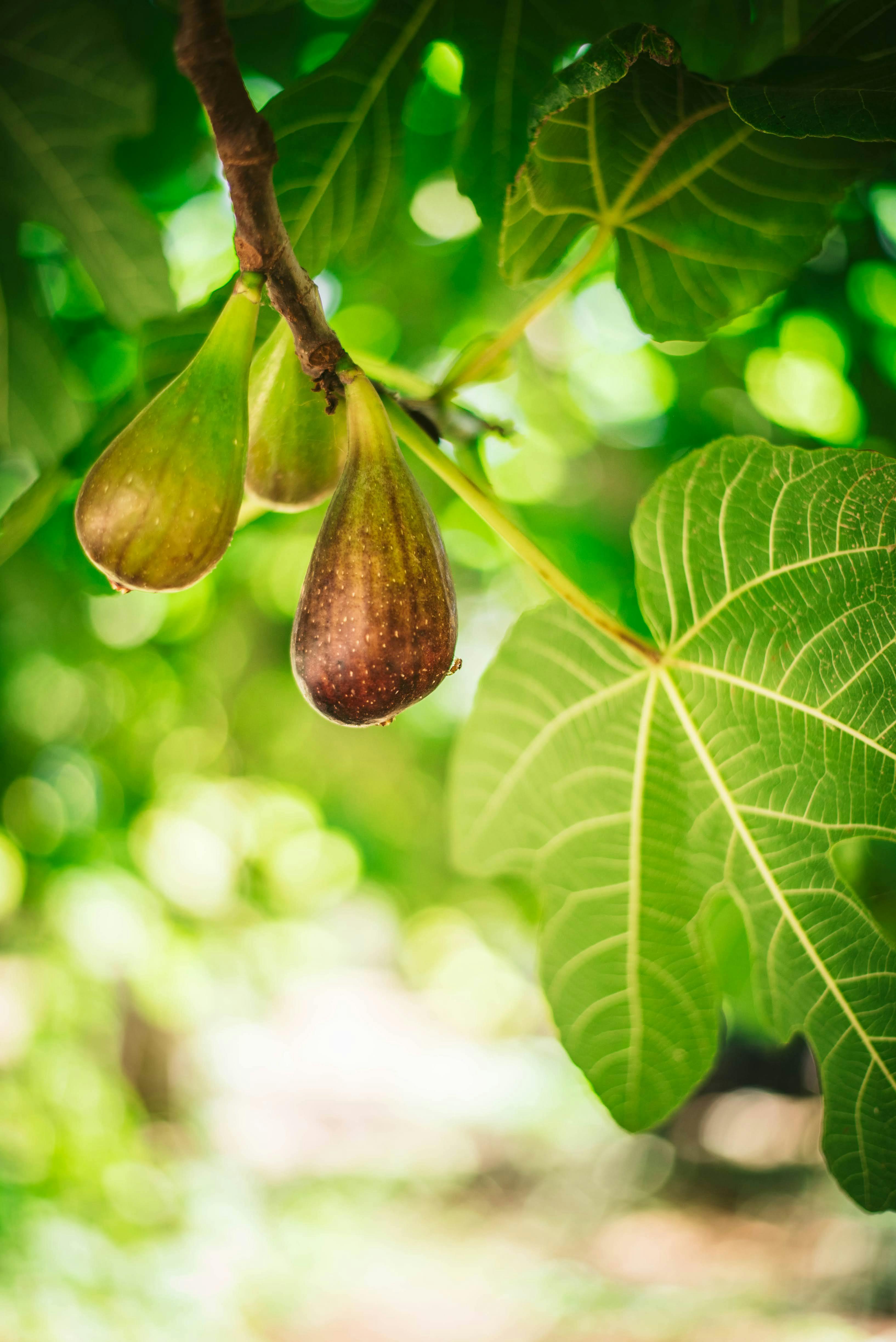
Fresh fig leaves have a unique flavour profile often described as a combination of coconut, walnut and vanilla. Younger leaves are especially tender and aromatic, while older leaves become more fibrous and less pleasant to eat. Across modern gastronomy, chefs increasingly use fig leaves to infuse desserts, creams, syrups and savoury dishes with their distinctive flavour.
In Cyprus, however, the culinary use of fig leaves remains relatively unknown despite the abundance of trees across the island.
A Natural Source of Nutrients
Fig leaves are not only aromatic. They are also highly nutritious.
They contain:
- Vitamin A
- Vitamin B1
- Vitamin B2
- Calcium
- Iron
- Phosphorus
- Potassium
- Manganese
- Sodium
For centuries, traditional medicine associated fig leaves with numerous health-supporting properties. Modern research continues exploring their possible role in supporting blood sugar regulation, lowering triglycerides and helping respiratory conditions such as bronchitis.
Fig leaf tea, in particular, has gained attention among natural health enthusiasts.
The Return of Fig Leaf Tea
One of the simplest ways to use fig leaves is as a herbal tea. Fresh or dried leaves can be boiled for approximately 15 minutes to create a mild infusion with earthy, nutty undertones.
Traditionally, fig leaf tea has been associated with:
- Blood sugar support
- Digestive health
- Respiratory relief
- Anti-inflammatory properties
While scientific research continues, many Mediterranean households have long considered fig leaf tea part of natural seasonal wellness practices. As interest grows globally in herbal infusions and plant-based remedies, the fig tree once again finds itself at the centre of attention.
Cooking With Fig Leaves
Beyond tea, fig leaves are increasingly used in modern Mediterranean cooking. One of their oldest culinary uses is as a natural wrapping leaf, much like vine leaves. When food is wrapped inside fig leaves and cooked, the leaves release subtle aromatic flavours into the dish.
They work especially well with:
- Fish
- Rice dishes
- Vegetables
- Cheese
- Slow-cooked meats
The leaves can also be simmered in soups, curries and stews to infuse dishes with flavour before being removed prior to serving. Some cooks even use tender fig leaves as a spinach-like green after lightly boiling them in salted water. In high-end restaurants abroad, fig leaf-infused cream, ice cream and syrups have become increasingly fashionable, bringing renewed culinary interest to a tree Mediterranean families have known for generations.
A Tree of Shade and Memory
In Cyprus, fig trees are also emotional landmarks.
They often stand at the edge of family homes, beside old wells or near traditional ovens. Under their broad leaves, generations gathered for coffee, conversation and afternoon rest during the summer heat. Their large soft leaves create deep natural shade, making them ideal garden trees in Mediterranean climates. Unlike ornamental trees with little practical value, fig trees combine beauty with utility.
They feed people, cool outdoor spaces and require remarkably little in return. In many ways, the fig tree reflects the Mediterranean philosophy itself: simplicity, resilience and generosity.
The Challenges of Harvesting
Growing figs, however, requires a certain level of timing and patience. Birds are notorious competitors for ripe fruit, often reaching figs before humans do. Many gardeners strategically plant fig trees near frequently visited parts of the garden simply to monitor the ripening fruit more closely.
Fresh figs are delicate and highly perishable. Once ripe, they must often be eaten immediately. That fleeting ripeness is part of their charm. A truly ripe fig rarely survives long enough to reach the kitchen.
A Mediterranean Symbol Rediscovered
As modern lifestyles increasingly reconnect with sustainable living, edible gardens and traditional food practices, the fig tree is quietly returning to prominence. It represents many of the values now being rediscovered across Mediterranean societies:
- Low-maintenance agriculture
- Climate resilience
- Natural wellness
- Edible landscaping
- Seasonal living
- Zero-waste cooking
In Cyprus especially, the fig tree remains deeply woven into cultural memory and daily life. Yet its potential extends beyond nostalgia. Its leaves, medicinal uses, culinary versatility and environmental resilience make it one of the Mediterranean’s most underestimated trees.
For many Cypriots, the fig tree has always been there quietly in the background of summer. Now, more people are beginning to realise that the tree itself may be just as valuable as the fruit it produces.