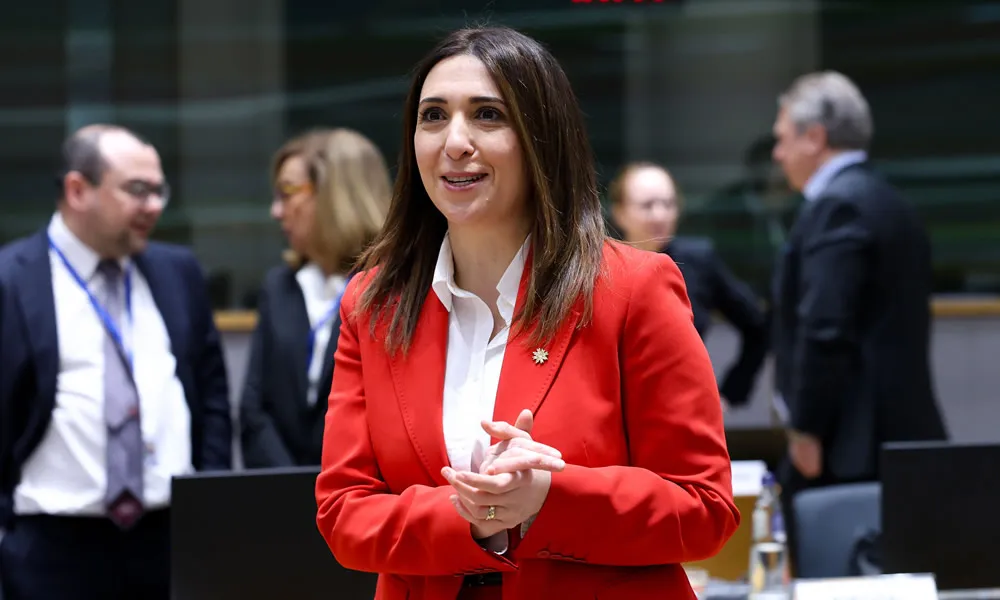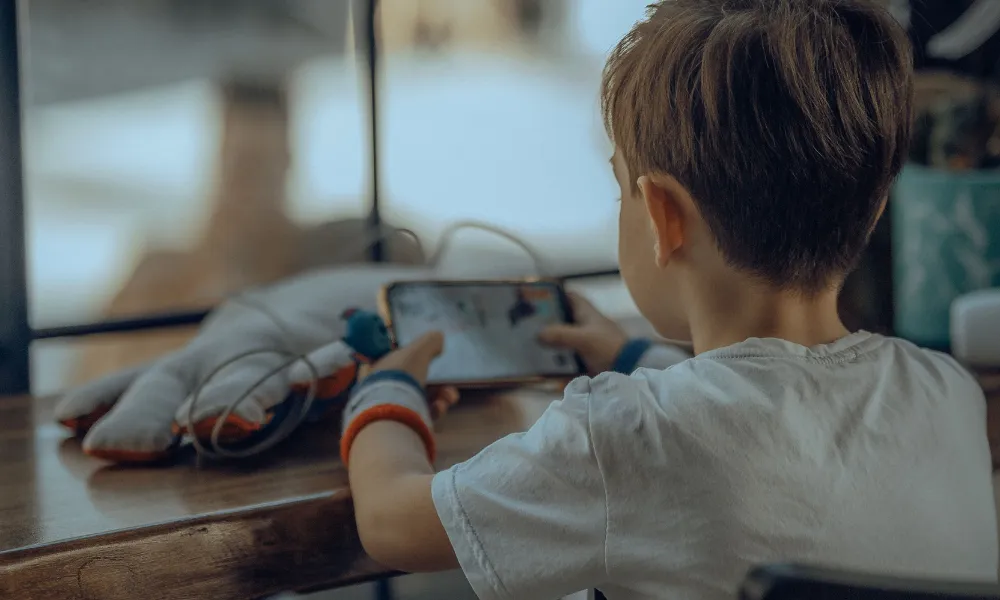

European Commission President Ursula von der Leyen announced on Wednesday that the EU will move to ban social media access for children under 13 across the bloc, and impose restrictions on older teenagers, as part of a new legislative proposal to be presented later this week. The initiative comes as several member states have already introduced their own national measures, amid a wider global trend towards limiting children's access to the internet. Australia became the first country in the world to ban social media for under-16s, in December 2025.
No accounts under 13, limited accounts under 15
"No child under 13 on social media. No personal account under 15," von der Leyen said during her State of the Union address in Strasbourg. She added that the EU would allow 13 and 14 year olds to hold "limited accounts" under parental supervision and with restricted functionality, capped at a maximum of one hour of use per day.
The Kids Act and a reversed burden of proof
The European Commission is due to present the new legislative act for child protection online, known as the Kids Act, on Thursday. Under the proposed framework, the burden of proof would be reversed: platforms themselves would be required to demonstrate that their services are safe for minors, rather than regulators having to prove they are not.
A stronger, independent Europe is now emerging.
— Ursula von der Leyen (@vonderleyen) September 16, 2026
A Europe better able to defend itself than ever before.
That is there for Europeans.
This is a Europe we can be so proud of ↓ https://t.co/kwoTX3l4Ud
"I know many consider the power of tech giants overwhelming and their strength irreversible. I disagree," von der Leyen said. "Europe has the power to act. We set the rules, not Big Tech."
In practice, passage of the Kids Act could still take years, as it requires approval from member states, some of which have already pursued their own independent measures.
National measures already under way
France became the first EU country to ban social media for children under 15, following a vote in the French parliament in July. The decision was subsequently struck down by the country's Constitutional Council. Spain, Denmark and Sweden are among the states pursuing their own age restrictions.
Von der Leyen open to slowing AI development
On artificial intelligence, von der Leyen struck an optimistic tone, saying the technology could "benefit humanity, provided we make the right choices." She stressed, however, that "enormous risks," including cyberattacks on a scale not previously imagined, must first be addressed for the technology's potential to be fully realised.
The Commission President said she would invite leading AI laboratories to talks to examine how the EU could support industry efforts to slow the pace of the technology's development, a step recently called for by the heads of Anthropic, OpenAI and xAI.
With information from CNN