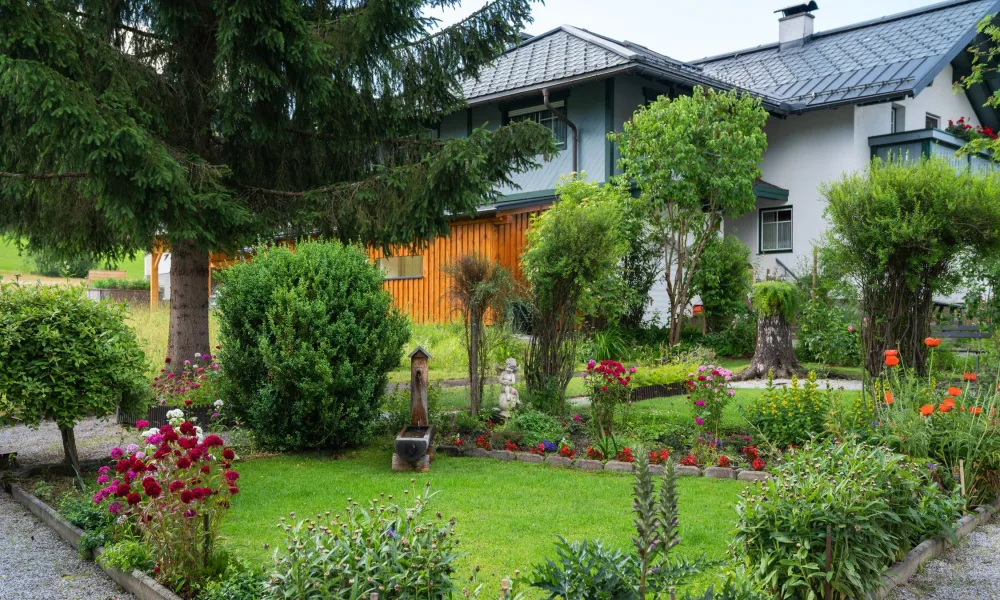

To enjoy your garden during the summer without the nuisance of mosquitoes, a combination of breeding-site control, natural deterrence and personal protection is essential.
Know your enemy
Greece is home to around 60 mosquito species belonging to seven genera, but three groups are responsible for most encounters with humans.
Anopheles
Breeds in clean, stagnant water and rice fields. Active from dusk until dawn, it is the principal vector of malaria.
Culex
The most common urban mosquito. It lays eggs on the surface of standing water, from ponds to plant-pot saucers, and can transmit West Nile virus.
Aedes
This group includes the Asian tiger mosquito (Aedes albopictus), easily recognised by the white stripe running along its head and back. Unlike many other mosquitoes, it is active during the day and is associated with viruses such as Zika and dengue fever.
Climate change is changing mosquito seasons
Prevention has become even more important as climate change alters mosquito behaviour.
According to Dr Antonios Michaelakis, a senior researcher at the Benaki Phytopathological Institute, milder winters and rising temperatures have changed long-standing patterns.
Since late 2022, continuous year-round activity of the Asian tiger mosquito has been observed, while mosquito eggs and even West Nile virus have been detected during winter months.
For mosquitoes, "summer" is no longer limited to the warmer months. Activity can continue whenever temperatures remain above 5C.
Eliminate stagnant water
In urban environments, excessive watering and standing water create ideal mosquito breeding sites.
To reduce mosquito populations around the home:
- Empty water regularly from plant-pot trays.
- Drain bird baths frequently.
- Remove water from paddling pools and decorative containers.
- Avoid leaving buckets or other containers exposed to rainfall.
Maintain your outdoor spaces
Good maintenance can significantly reduce mosquito breeding opportunities.
- Clean gutters regularly to prevent water accumulation.
- Cover drains and inspection chambers with fine mesh screens.
- Ensure water storage containers are properly sealed.
Use personal protection
Simple personal measures can make a major difference.
- Install insect screens on doors and windows.
- Wear light-coloured, long-sleeved clothing outdoors.
- Use approved insect repellents containing:
- DEET
- Icaridin/Picaridin
- Citriodiol
Be aware of mosquito attractants
Mosquitoes are attracted by:
- Carbon dioxide released during breathing
- Body heat
- Human perspiration and body odours
Reducing exposure during peak activity periods can help minimise bites.
Collective action matters
Individual measures are important, but the most effective defence is coordinated action by public authorities combined with informed citizens.
Technology can also help. Through the mosquitoalert.gr platform, members of the public can contribute to mosquito monitoring efforts by reporting mosquito sightings, breeding sites and bites in real time.
Public participation helps improve mosquito mapping and supports more effective control measures.
Source: newmoney.gr