
As temperatures rise, many people find themselves eating less and avoiding lengthy cooking sessions. While there is no need to dramatically change your diet during a heatwave, nutrition experts suggest making a few practical adjustments to stay comfortable, hydrated and well nourished.
Focus on lighter protein sources
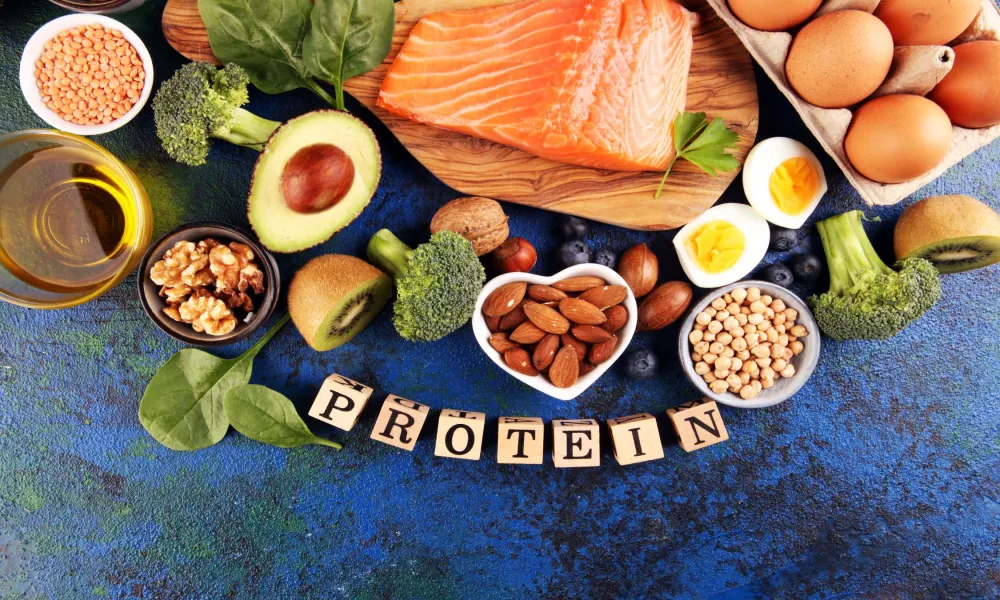
Contrary to popular belief, you do not need to increase your protein intake during a heatwave. In fact, digesting protein generates more body heat than digesting carbohydrates or fats because the body expends more energy breaking down and absorbing it. Research has shown that meals higher in protein generally produce a greater thermic effect than meals high in fat.
That does not mean protein should be avoided altogether. Instead, experts recommend choosing lighter and easier-to-prepare options such as beans, lentils, eggs, tofu, Greek yoghurt, nuts and pre-cooked lean meats.
Refreshing meals like bean salads, yoghurt-based dishes or fruit smoothies with nut butter can provide a nutritious balance of protein, vitamins and minerals without leaving you feeling overly heavy or sluggish.
Eat foods with high water content
Hydration becomes especially important during hot weather, as the body loses more fluids through sweating.
While drinking water remains essential, experts stress that hydration also comes from food. Reviews of hydration research note that water obtained from food contributes significantly to overall fluid intake.
Particularly good choices include:
- Watermelon
- Strawberries
- Cucumbers
- Tomatoes
- Lettuce
- Celery
- Oranges
- Grapes
- Pineapple
These foods not only contribute to hydration but also provide vitamins, minerals and antioxidants that support overall health.
A useful indicator of hydration is urine colour. Pale yellow generally suggests adequate hydration, while darker urine may indicate the need for additional fluid intake.
Hot drinks are not necessarily the enemy
It may seem counterintuitive, but warm beverages can be just as effective as cold drinks when temperatures rise.
Scientists have found that hot drinks can stimulate sweating, which helps the body dissipate heat through evaporation. Meanwhile, cold drinks may temporarily feel more refreshing, but they do not necessarily cool the body more effectively in the long term.
The key message is that the temperature of the drink matters less than overall hydration. Tea and coffee can still be enjoyed in moderation, although excessive caffeine intake may increase fluid loss through urination.
Alcohol, on the other hand, can contribute to dehydration and is best consumed cautiously during periods of extreme heat.
Adjust your eating schedule
Another practical strategy is to follow the approach commonly seen in warmer Mediterranean countries: eat a lighter breakfast, avoid large meals during the hottest part of the day and enjoy dinner later in the evening when temperatures are lower.
Smaller, lighter meals are often easier to tolerate during hot weather and can help maintain energy levels without increasing feelings of discomfort.
Ultimately, heatwave nutrition is less about strict dietary rules and more about making smart choices: prioritising hydration, eating plenty of water-rich foods and choosing lighter meals that place less strain on the body while temperatures remain high.
Source: BBC