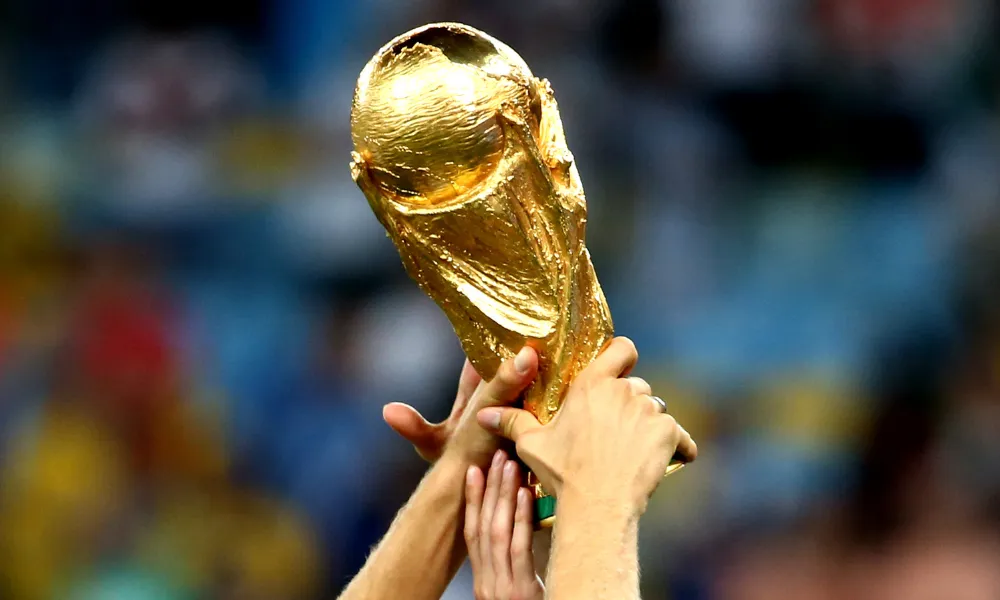
The World Cup final is where football becomes something more than a game. It is where pressure, identity and history collide in front of the world. Across decades, a small number of finals have gone beyond the scoreline, becoming part of the sport’s shared memory.
Some were remembered for beauty. Others for drama, controversy or redemption. Together, they show why the World Cup remains football’s greatest stage.
Brazil vs Italy, 1970: Football as art
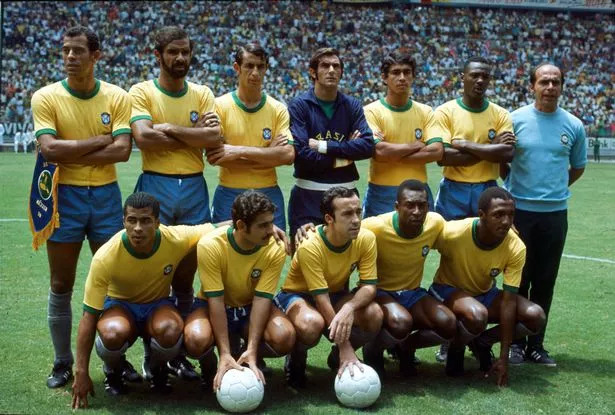
Brazil’s 4-1 victory over Italy in the 1970 World Cup final in Mexico City was more than a win. It was the performance that fixed one team in football’s imagination forever.
Led by Pele, Jairzinho, Tostao, Rivelino and Carlos Alberto, the 1970 side combined rhythm, imagination and control in a way that still feels timeless. Their 4-1 victory over Italy was not only dominant, it was beautiful. Every pass seemed to have purpose. Every run appeared connected to a wider idea.
Italy had arrived as European champions and one of the strongest teams in the tournament, but Brazil made the final feel like a statement of footballing superiority. It was not just the margin of victory that mattered. It was the manner of it.
The final goal remains one of the most celebrated in the history of the game. The move began deep, flowed across the pitch and ended with Carlos Alberto arriving at speed to finish with power and precision. It was not just a goal. It was a statement about what football could be when individual talent served a collective rhythm.
Watch: Carlos Alberto’s iconic goal from the 1970 World Cup final is available on FIFA’s official YouTube channel.
Brazil’s victory gave them their third World Cup and permanent ownership of the Jules Rimet Trophy. More than that, it left behind a standard against which great attacking teams are still measured.
West Germany vs Netherlands, 1974: Beauty meets reality
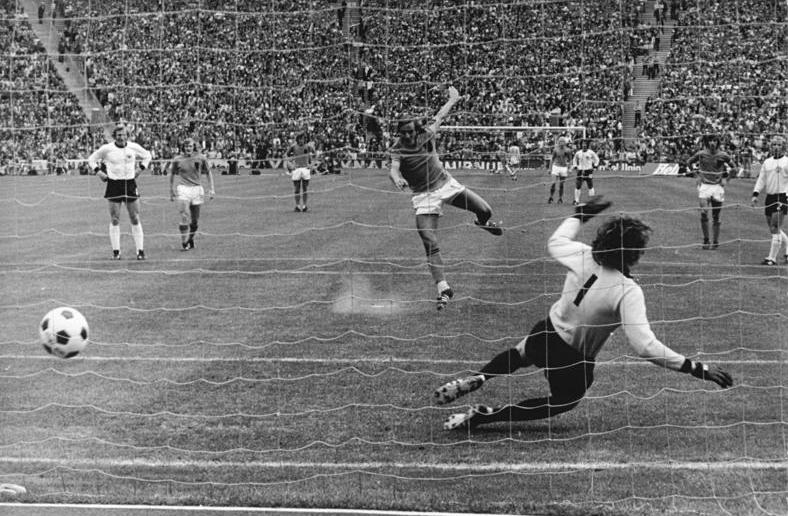
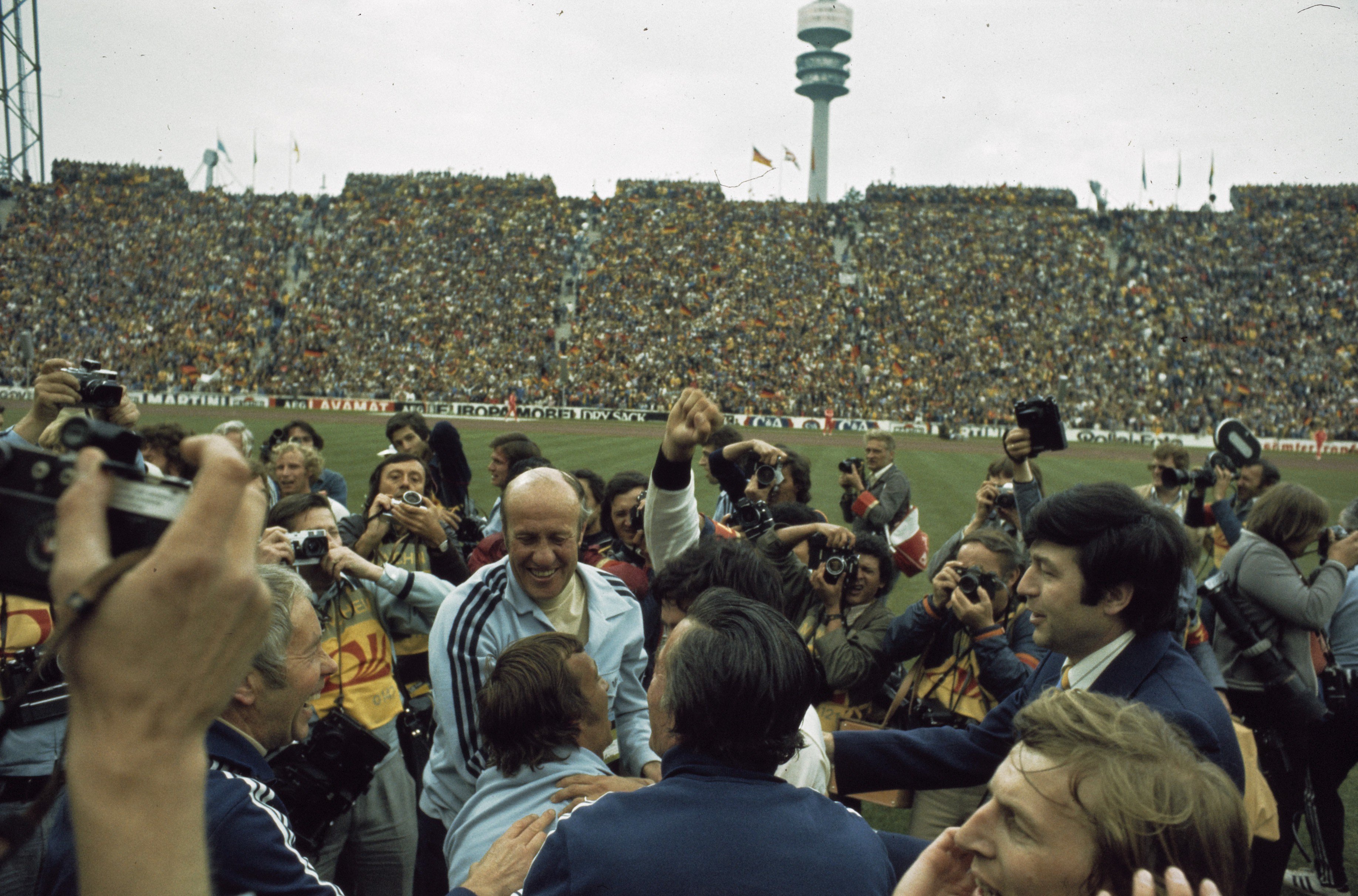
Johan Neeskens scores from the penalty spot for the Netherlands against West Germany in the 1974 World Cup final. Photo: Bundesarchiv, Bild 183-N0716-0315 / Rainer Mittelstädt / CC BY-SA 3.0 DE
West Germany’s 2-1 victory over the Netherlands in Munich in 1974 was the final where football’s most admired team ran into the cold reality of the scoreboard. The Dutch struck first before the hosts recovered, adapted and found the way to win.
With Johan Cruyff at the centre of their “Total Football”, they had changed the way the game was imagined. Positions became fluid, movement became constant and the pitch seemed to open around them. In Munich, they took the lead before West Germany had even touched the ball, Johan Neeskens scoring from the penalty spot after a sweeping Dutch move.
But the final did not follow the script of footballing romance. West Germany, led by Franz Beckenbauer, absorbed the shock, regained their balance and turned the match around. Paul Breitner equalised from the penalty spot before Gerd Muller scored what proved to be the winner.
It became one of the World Cup’s great lessons. The Netherlands had the idea that shaped football’s future, but West Germany had the composure to win the final in the present.
That tension is why the match still matters. It was beauty against realism, innovation against tournament steel, and one of the clearest reminders that the World Cup does not always reward the team that captures the imagination.
Argentina vs West Germany, 1986: Maradona’s Moment
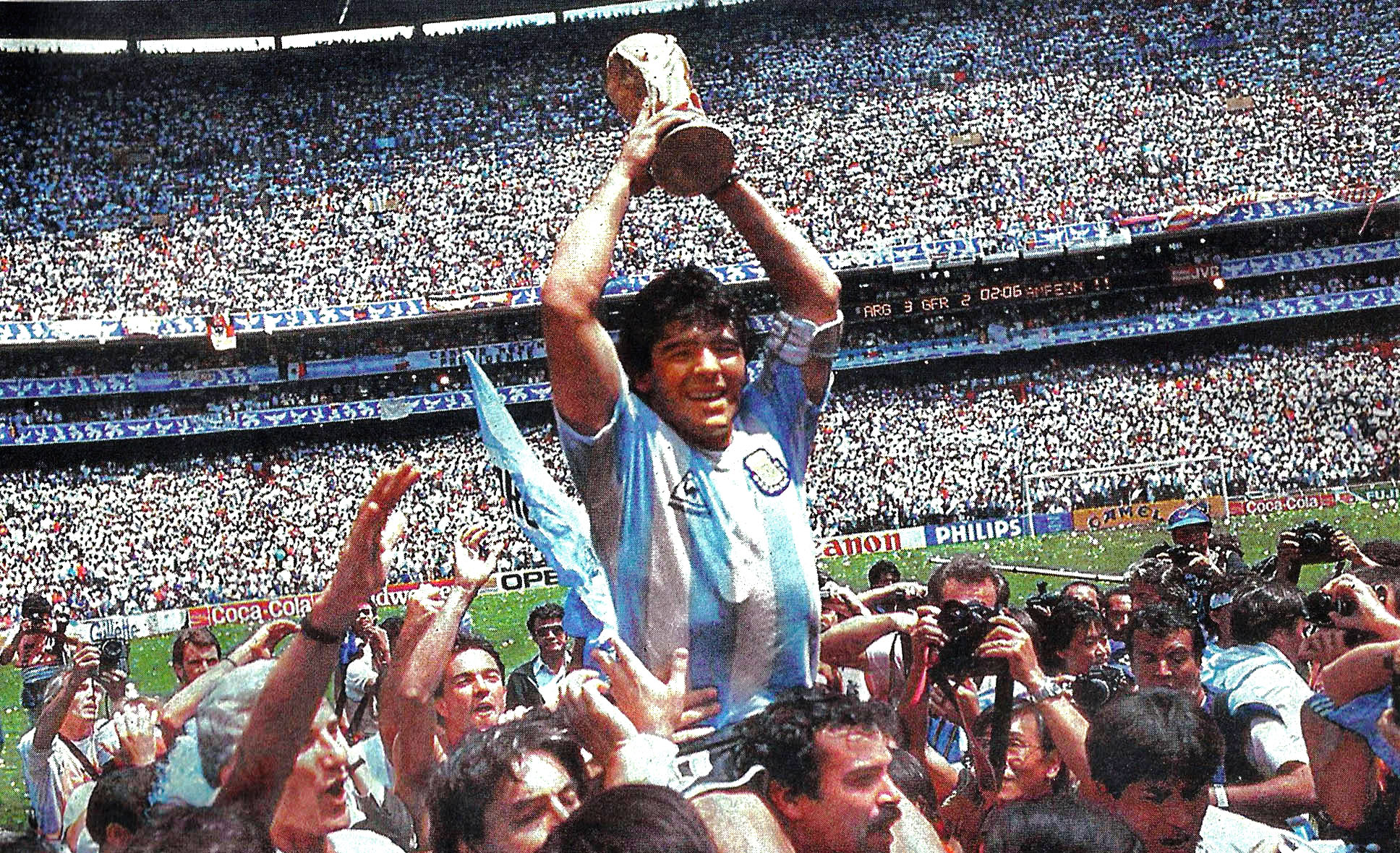
Argentina’s 3-2 victory over West Germany in Mexico City in 1986 gave Diego Maradona the World Cup his tournament had demanded. The final was not his most spectacular match, but it still bent around his influence.
He had carried Argentina through the tournament with a level of influence rarely seen on the global stage. But the final asked a different question. Could his team finish the job when the match became tense, physical and uncertain?
Argentina took control and built a 2-0 lead through Jose Luis Brown and Jorge Valdano, only for West Germany to drag themselves back into the match. Karl-Heinz Rummenigge and Rudi Voller scored in the closing stages, turning what had seemed like Argentina’s night into a test of nerve.
Watch: Highlights of Argentina’s 1986 World Cup final victory over West Germany are available on FIFA’s official YouTube channel.
Then Maradona found the answer. Surrounded by pressure, he released Jorge Burruchaga with the pass that broke the German defence. Burruchaga ran through and scored the winner, sealing a 3-2 victory and Argentina’s second World Cup.
It was not Maradona’s most spectacular moment of the tournament, but it may have been his most important. He did not need to score in the final to define it. He simply shaped the moment that decided everything.
Italy vs France, 2006: Glory and collapse
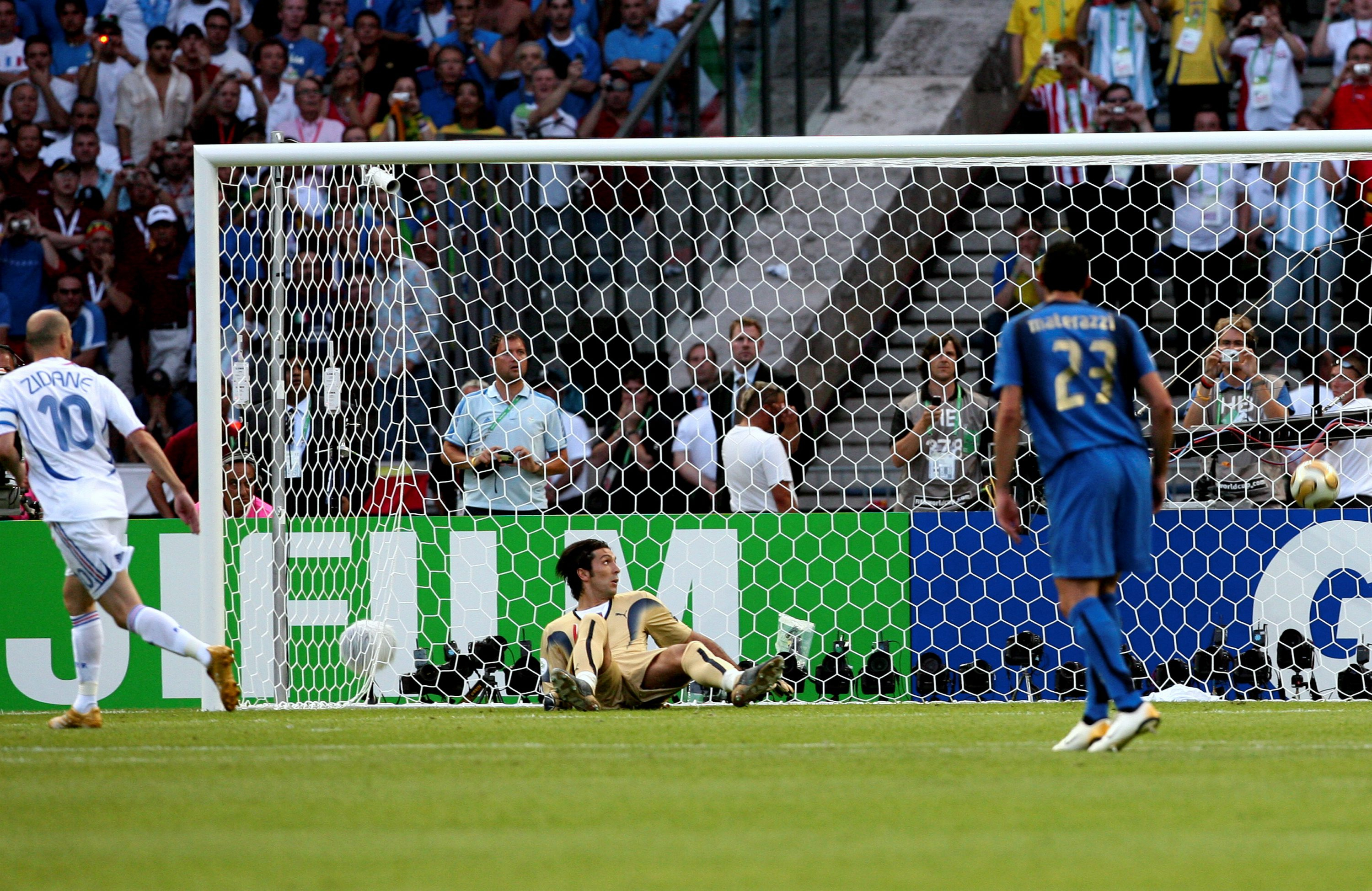
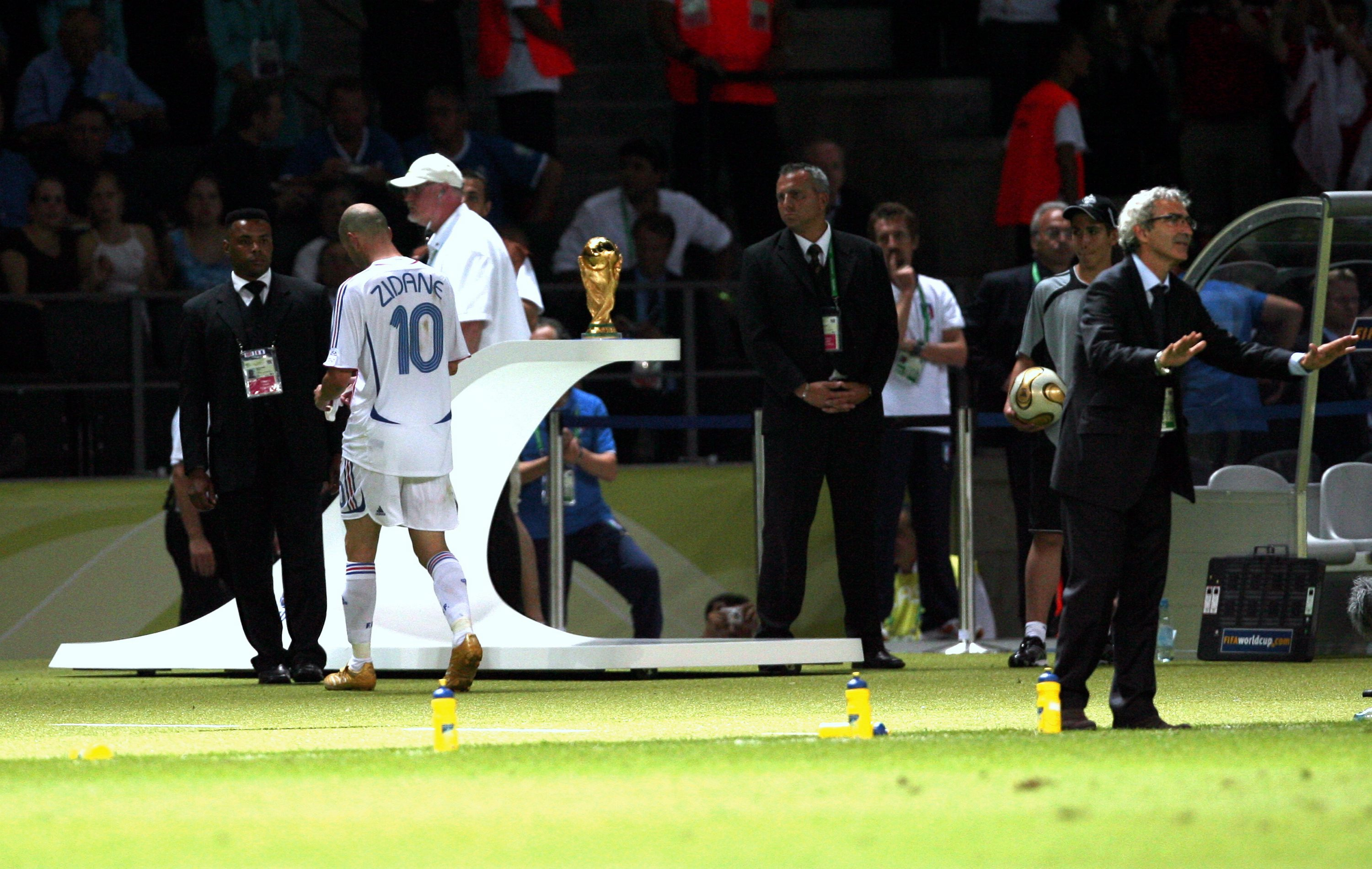
Italy’s penalty shootout victory over France in Berlin in 2006 gave them a fourth World Cup, but the night is remembered just as much for the fall of Zinedine Zidane. Few finals have held triumph and regret so closely together.
France struck first through Zinedine Zidane, whose chipped penalty clipped the underside of the bar and crossed the line. Italy responded through Marco Materazzi, and from there the match tightened into a contest of nerve, discipline and exhaustion.
For long periods, it felt like a final waiting for one decisive act. Instead, it produced one of the most shocking moments in World Cup history. Zidane, playing the final match of his career, was sent off in extra time after headbutting Materazzi. The moment became so embedded in football culture that it was later recreated as a sculpture, turning one flash of anger into a public symbol of the final’s drama.
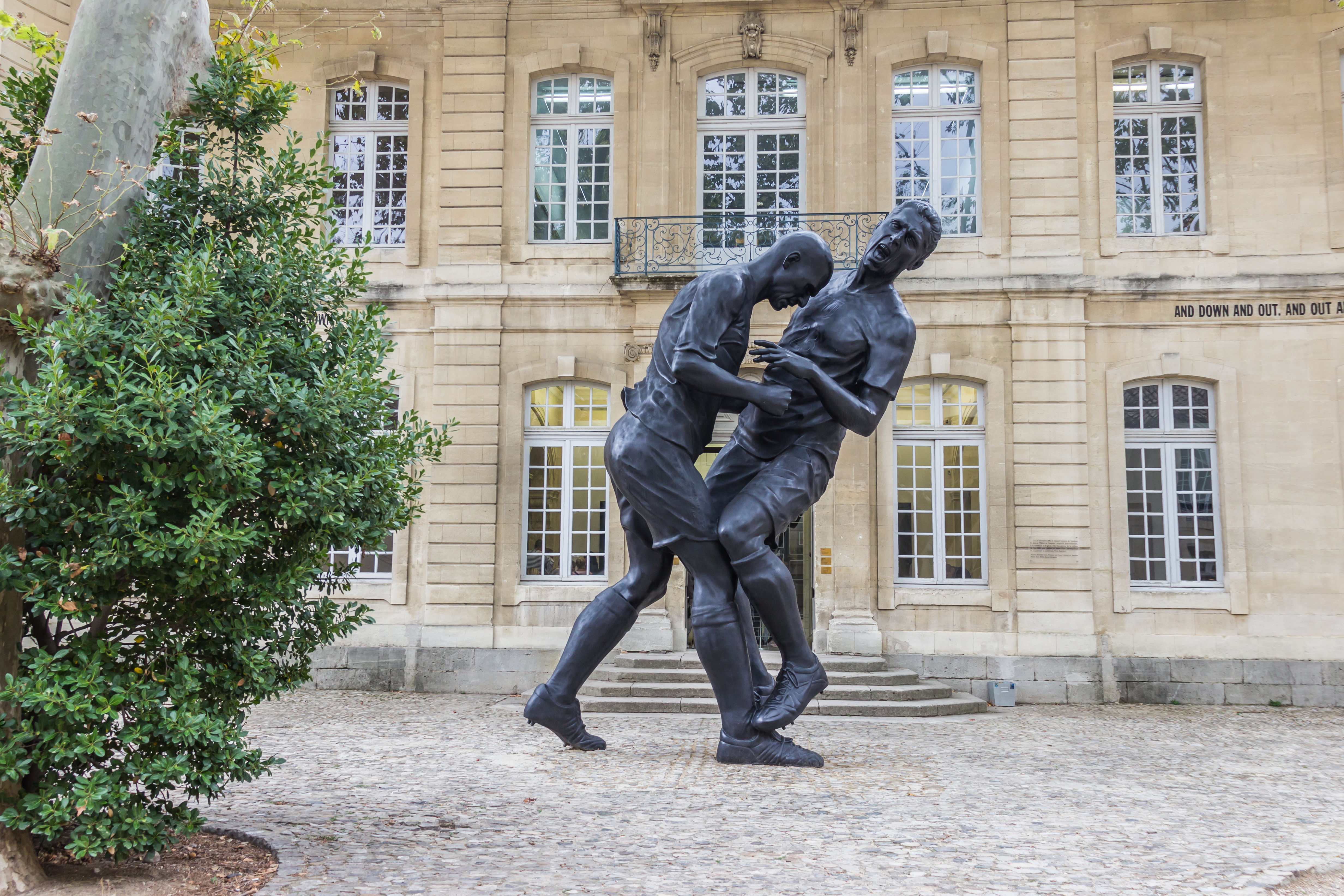
Italy then did what champions do. They stayed composed. In the penalty shootout, they converted every kick, winning 5-3 to claim their fourth World Cup.
The image of Zidane walking past the trophy became the final’s lasting symbol, but Italy’s victory should not be reduced to another man’s collapse. Their triumph was built on resilience, defensive strength and calm under pressure. It was a final where glory and regret stood side by side.
Argentina vs France, 2022: Messi Completes The Story
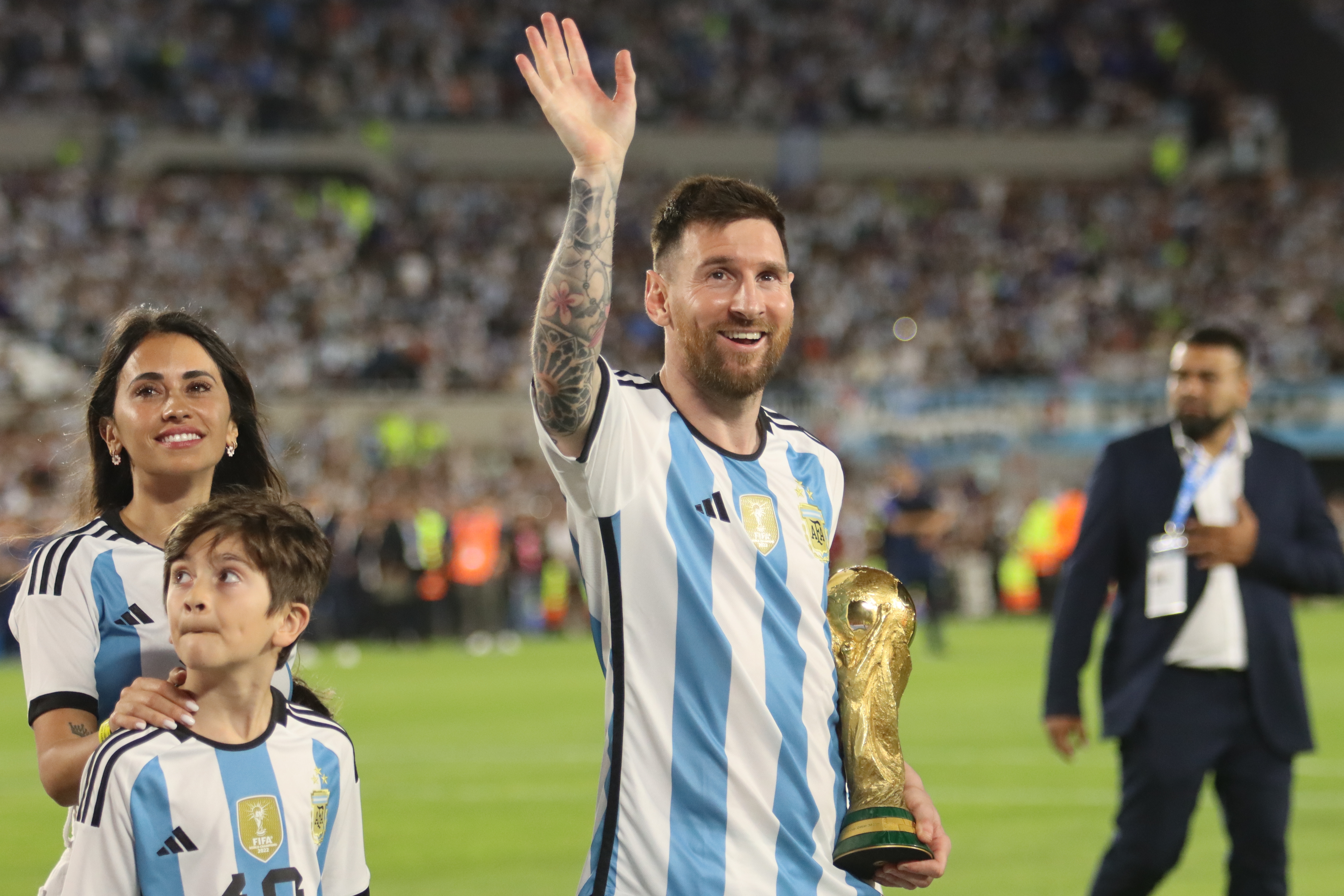
Argentina’s penalty shootout victory over France in Qatar in 2022 gave Lionel Messi the World Cup title that had followed him for his entire career. It also produced a final so dramatic that it already feels impossible to separate from football history.
Argentina were sharper, braver and more composed, building a 2-0 lead that felt more convincing with every passing minute. They played with the urgency of a team chasing history, but also with the control of one that believed the moment had finally arrived.
Then Kylian Mbappe changed the match. Two goals in quick succession dragged France back from the edge and turned what had seemed like a controlled final into chaos. Extra time brought more drama: Messi scored again, Mbappe answered again, completing a hat-trick in a World Cup final.
By the time the match reached penalties, it already felt historic. Argentina held their nerve, winning the shootout and giving Messi the one trophy that had followed him for his entire career.
Watch: The penalty shootout from the 2022 World Cup final is available on FIFA’s official YouTube channel.
It was a final that seemed to contain everything football can offer: genius, fear, pressure, exhaustion, late drama and release. Argentina won the trophy, Messi completed his story, and Mbappe reminded the world that the next great chapter was already being written.