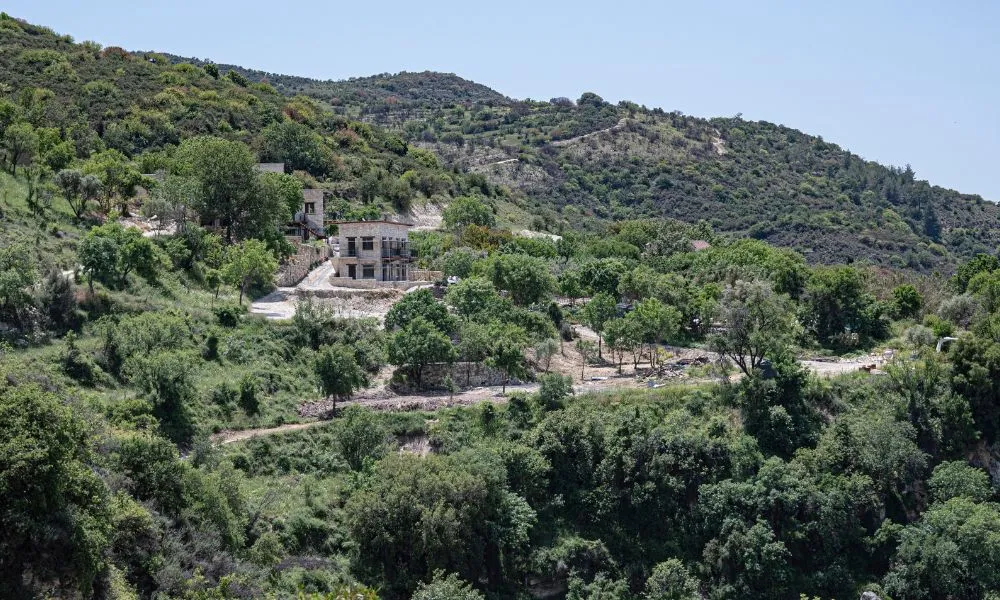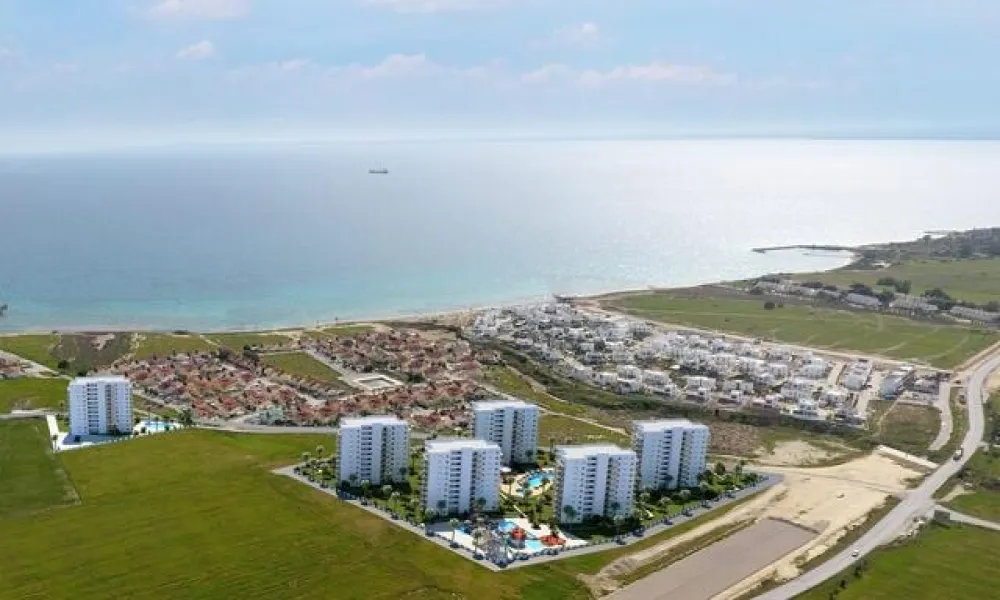
The north's administration has published a new decree in its "official gazette" setting out a regulatory framework for the sale of properties to foreign nationals in the occupied north, according to a report by the Turkish Cypriot online outlet Bugün Kıbrıs. Despite references to restrictions, the framework permits up to 80% of units in "planning-approved" residential developments to be sold to foreign buyers.
Under the main provisions, foreign nationals or companies may purchase up to three apartments, subject to approval by the administration's council of ministers. That limit rises to six for citizens of states that recognise the occupation and grant equivalent rights to Turkish Cypriots. For residential properties, the land limit is set at 3,300 square metres, while for land purchases the ceiling is 1,338 square metres.
The framework also introduces the model of a "licensed intermediary investor," through which brokers may offer at least ten properties per year to foreign buyers, both within and outside the occupied territories, without themselves acquiring ownership.
Amnesty for past violations
A transitional mechanism is included for sales conducted prior to a 2024 amendment to the relevant legislation that exceeded the permitted limits. Those who acquired more properties than allowed may declare the transactions within six months by paying a fee of 1% of the sale value, rising to 3% in the event of delay. For properties that exceed acquisition limits, a ten-year "usage certificate" may be issued, with ownership remaining with the seller while the buyer acquires rights of use and benefit.
Security checks and utilities
Foreign buyers will be required to provide a criminal record certificate bearing an apostille stamp, and a security check will be conducted to establish whether the property is situated near military zones. Properties whose owners have not paid "taxes and fees" will be denied water and electricity connections.
The framework also allows citizens or companies from states that recognise the occupation to participate in construction projects alongside local contractors, with a maximum foreign participation share of 49%.
Source: CNA