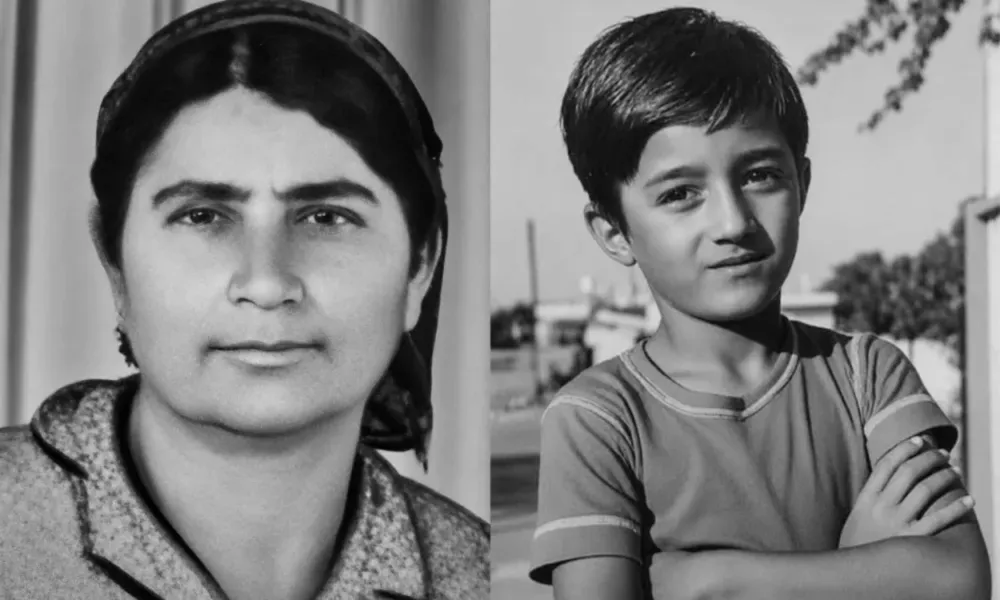

Fifty-two years may have passed since the coup of 15 July 1974, but for the family of Stavros Pidia and his grandmother Margarita Theodorou, the pain of that morning remains as vivid as ever.
The eight-year-old boy and his 62-year-old grandmother were killed when gunfire tore through their family home in the Agios Ioannis area of Limassol, a neighbourhood that had become engulfed in fighting between supporters of the coup and resistance forces.
It is a story largely unknown to the wider public but one that has remained deeply etched in the memory of a family that continues to live with unanswered questions about the deaths of two loved ones.
A summer morning turned tragedy
Margarita Theodorou had moved to Limassol from the Paphos village of Eledio after the death of her husband, helping to raise her children and care for her grandchildren.
Among them was Stavros, remembered by relatives as an excellent pupil at Limassol's Fourth Primary School who dreamed of one day becoming a pilot.
The extended family lived in neighbouring houses around a shared courtyard and regularly gathered for breakfast during the summer months.
On the morning of 15 July 1974, they did the same, unaware that the coup unfolding across the island would soon claim two lives within their own home.
Earlier that morning, relatives who supported President Makarios had briefly gone to assist in the defence of the nearby Agios Ioannis police station before returning home.
As tensions mounted in the area, family members gathered on the veranda listening to broadcasts on the radio.
Gunfire from nearby clashes
According to family accounts, a vehicle appeared near the police station shortly before a burst of gunfire erupted.
Bullets struck the family home as those gathered attempted to take cover.
In the chaos, Stavros and his grandmother were hit.
The young boy suffered a fatal head wound, while Margarita Theodorou was shot in the chest. Stavros' mother, Nausika, was also injured.
Relatives who witnessed the events have carried the trauma ever since.
The violence unfolding outside the house quickly became a personal tragedy from which the family would never fully recover.
Days of uncertainty
The ordeal did not end with the shooting.
According to family members, the bodies of the boy and his grandmother were later removed from Limassol General Hospital, leaving relatives uncertain about where they had been taken.
For days, the family searched for information.
Eventually, they learned that the pair had narrowly avoided being buried in a mass grave and were instead laid to rest together following the intervention of a local priest.
Throughout that period, the family remained trapped in a city consumed by violence, spending nights in fear as fighting continued nearby.
A loss that never faded
The events of that day left a lasting mark on every member of the family.
Relatives say they never received psychological support or any meaningful assistance from the state and feel that many questions surrounding the deaths were never properly answered.
Even decades later, the anniversary of the coup remains a deeply emotional occasion.
Every year, family members visit the graves of Stavros and Margarita before attending commemorative events honouring those who lost their lives during the coup.
Remembering Stavros and Margarita
In 2015, with the support of the Metropolis of Paphos, the family erected a memorial in Eledio featuring busts of Stavros and Margarita.
An annual memorial service is held there in their honour.
Their names are also inscribed on the Memorial to Resistance Fighters in Limassol, ensuring that their deaths form part of the historical record of one of the darkest chapters in Cyprus' modern history.
For their relatives, however, remembrance goes beyond monuments and ceremonies.
It is a determination to ensure that the story of an eight-year-old boy with dreams of becoming a pilot, and the grandmother who helped raise him, is not forgotten.
Source: CNA