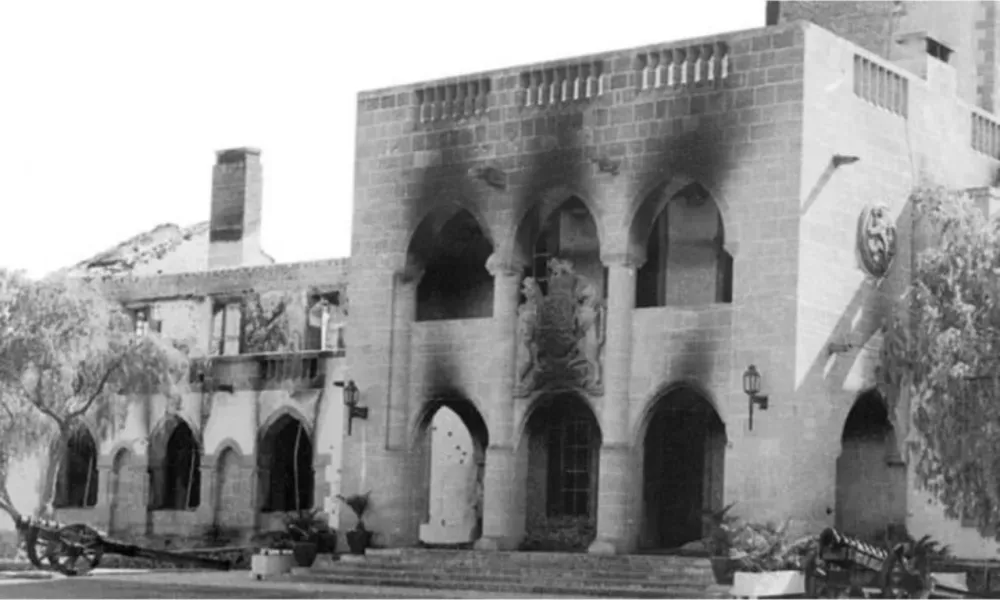

More than five decades after the coup and the Turkish invasion, the familiar slogans that dominate commemorations risk becoming empty words if they are not accompanied by genuine self-reflection.
At a time when remembrance weighs heavily, repeating well-worn narratives without confronting uncomfortable truths is not only meaningless but potentially dangerous. The words spoken each year by political leaders may be correct, but they have lost much of their significance because the history of those events, in its full dimension, has still not been properly told, written or taught.
The coup was not an isolated moment.
It was the result of a political system and a society that, for years, allowed fanaticism to prevail over reason, intolerance to defeat dialogue, and blind loyalty to individuals and ideologies to override democratic legitimacy.
The meaning of condemning the coup and paying tribute to those who died cannot be confined to wreath-laying ceremonies, memorial services, anniversary speeches or repeated references to the link between the coup and the Turkish invasion.
Such condemnation only has value when it is reflected in the daily defence of democratic principles. It must stem from a genuine belief in freedom, equality and the rule of law, and from a sense of responsibility towards both society and the country.
We must remember that democracy was not overthrown on the day a group of self-styled patriots took up arms.
It had begun to weaken much earlier.
It was gradually undermined by fanaticism, intolerance and the erosion of respect for the institutions of the young Republic of Cyprus.
That is why the lessons of those dark chapters of history remain relevant today.
Democracy is not threatened only when it is violently overthrown. It is also endangered when citizens cease to believe that institutions function fairly, when they feel there is no accountability, and when they witness tolerance of wrongdoing and impunity.
The challenges experienced today, corruption, political patronage, scandals, impunity and declining trust in institutions, do not constitute a coup.
They are, however, factors that quietly and gradually erode democracy from within, weakening the rule of law and undermining public confidence.
Only when citizens become convinced that the law is applied equally to everyone, that institutions serve the public interest, and that those in power are held accountable, can democracy truly begin to flourish.
Perhaps then, better days will come for democracy in Cyprus.