
The European Commission's recommendation that households be able to remain self-sufficient for at least 72 hours is intended to improve preparedness for emergencies and should not be interpreted as a warning that war is imminent, according to Chara Lazarou, deputy spokesperson for Civil Defence.
Speaking to Politis Radio, Lazarou said the European strategy is linked to both climate-related risks and wider geopolitical developments, with the aim of strengthening the readiness of governments and citizens.
No warning of imminent war
Lazarou stressed that the recommendation does not indicate any specific intelligence about an impending conflict.
She explained that the EU preparedness strategy dates back to March 2025 and is designed to help citizens cope with a wide range of emergencies, from extreme weather events to man-made disasters.
"The first responders are people too, and they are also affected when something happens," she said, noting that emergency services need time to mobilise following a crisis.
What every household should have
Lazarou drew a distinction between supplies needed to remain at home for 72 hours and an emergency evacuation bag.
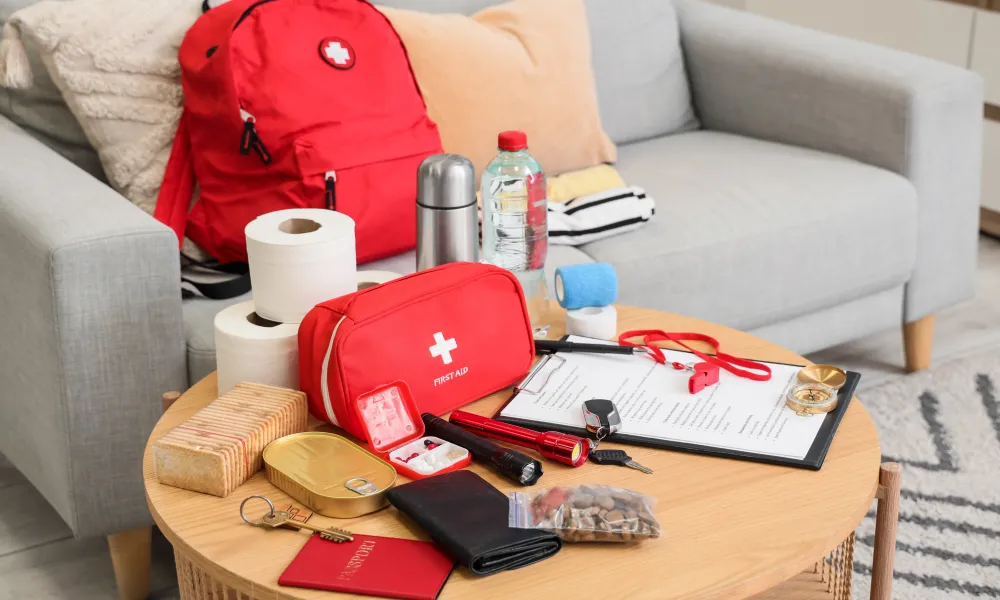
For household self-sufficiency, citizens are advised to keep:
- Drinking water
- Long-life food supplies
- Torches
- Battery-powered radios
- Essential medication
- A small amount of cash, preferably in small notes and coins
These supplies are intended to help households cope with temporary disruptions to electricity, water or telecommunications services.
What belongs in an emergency bag
An emergency grab bag should be lightweight, easily accessible and known to all family members.
According to Lazarou, it should contain:
- Drinking water
- Essential medication
- A first-aid kit
- A battery-powered radio
- Cash
- Copies of important documents
The bag is intended for situations requiring immediate evacuation and should not be confused with the separate 72-hour household supply recommendation.
Shelter checks continue
Lazarou said Cyprus' shelters have been inspected, although regular reviews are needed because the premises remain under private ownership and conditions can change over time.
She confirmed that a number of locations have been removed from the shelter network after failing to meet required standards.
Asked about shelter coverage, she said she was unable to provide current figures for the percentage of the population covered.
How people would receive alerts
Lazarou said emergency notifications sent through the Cell Broadcast system do not require an internet connection.
She also stressed the importance of battery-powered radios so citizens can continue receiving information during power outages.
Civil Defence also maintains communication channels with journalists through WhatsApp to help distribute urgent public information.
Preparedness exercises under way
Lazarou said readiness exercises are conducted regularly and cover a range of disaster scenarios, including a recent tsunami exercise.
She also revealed that the Interior Ministry is preparing a public preparedness and self-protection guide aimed at helping citizens understand what actions to take before, during and after emergencies.