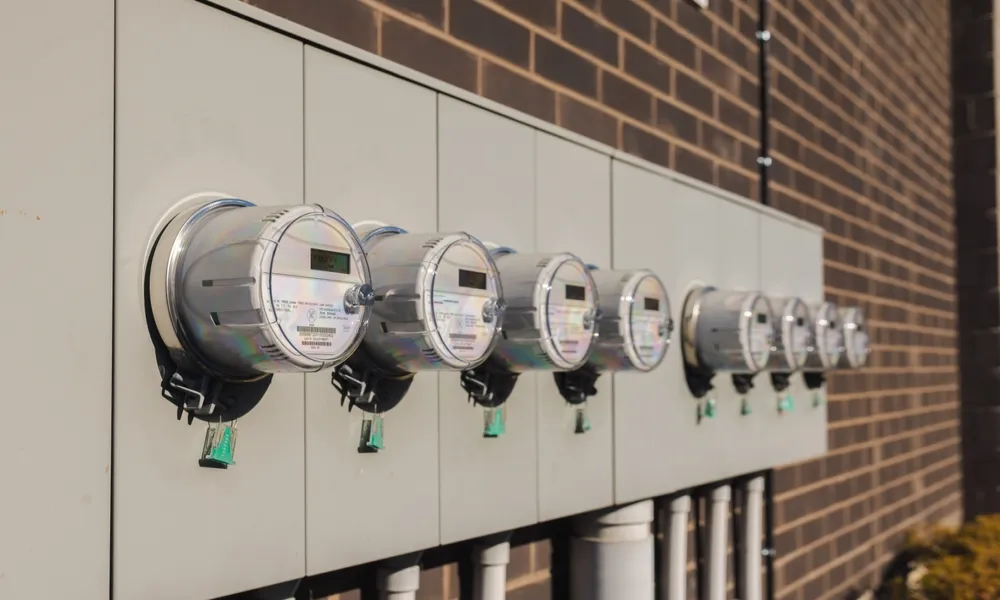

Cyprus is moving closer to the introduction of time-based electricity tariffs, with the Electricity Authority of Cyprus expected to complete the installation of 400,000 smart meters by August 2026, several months ahead of schedule.
Around 365,000 smart meters have already been installed across the island, while another 35,000 are needed to meet the initial target set by the Cyprus Energy Regulatory Authority for January 2027.
Speaking to Politis 107.6 & 97.6, EAC spokesperson Christina Papadopoulou said the rollout is progressing faster than planned, with around 16,000 smart meters installed each month.
“The installation of smart meters is continuing as normal,” she said, adding that the programme is already ahead of the original timetable.
The EAC now expects the target of 400,000 installations to be reached by August 2026. Once this stage is completed, the authority plans to proceed with the installation of a further 100,000 smart meters, aiming to cover almost all consumers.
The original figure of 400,000 meters corresponds to the European requirement for smart meters to cover 80% of consumers.
No charge for consumers
Papadopoulou clarified that consumers will not be charged for the installation of the meters, either for the first 400,000 or for the additional 100,000 that are planned.
“There is absolutely no charge,” she said.
She added that the aim is to meet the required deadlines and secure the relevant European funding, part of which has already been disbursed.
“The consumer will not have to pay anything in any case,” she said.
Time-based tariffs
The widespread use of smart meters is expected to pave the way for more flexible electricity pricing, with tariffs varying according to the time of day.
Under dynamic pricing systems, consumers will be able to move energy-intensive activities, such as using a washing machine or heating water, away from peak hours and into periods when demand and electricity costs are lower.
Papadopoulou said this would give consumers the opportunity to save money by shifting electricity use to off-peak periods, when the cost per kilowatt-hour is reduced.
At present, the EAC offers the standard domestic tariff, with a fixed price throughout the day, as well as a tariff with lower charges during the night and higher charges in the morning.
The next step is the creation of additional dynamic tariffs, which will first have to be approved by the Cyprus Energy Regulatory Authority.
Papadopoulou said the EAC is already working on the new pricing structures.