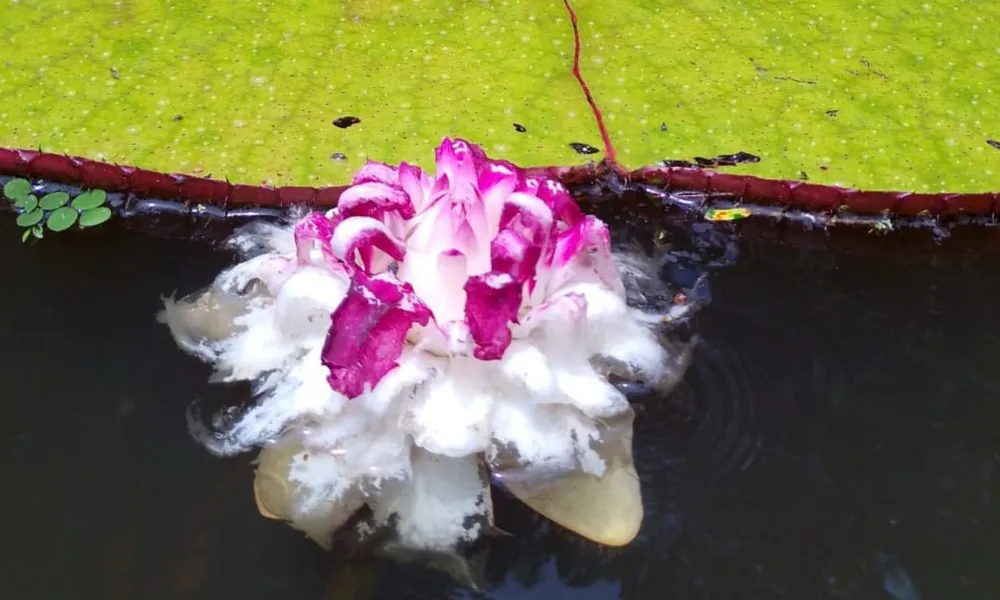

It began with a picture posted on social media. Five years later, botanists have formally described a new species of giant water lily from the Colombian jungle. Its leaves can grow up to two metres across, and only a few dozen plants are thought to survive in the wild.
The plant belongs to the genus Victoria, of which only three species had been described until now. The new species has been named Victoria colombiana, in honour of the country where it was found.
A photo that did not fit
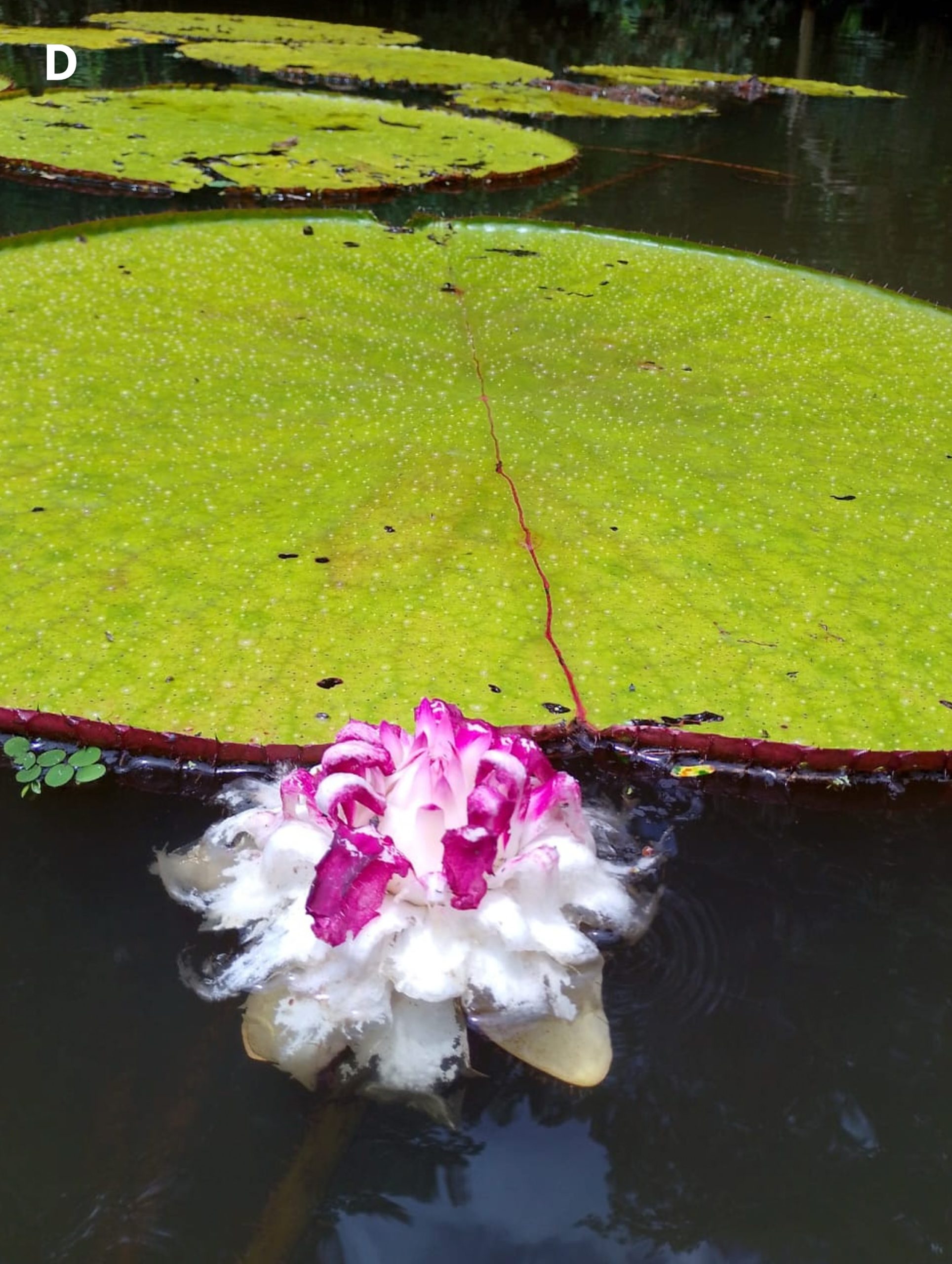
According to the Spanish news agency EFE, the story began when Carlos Magdalena, a scientist at the Royal Botanic Gardens, Kew, in the United Kingdom, came across a photograph of a giant water lily on Instagram.
The picture had been taken in the Inírida area of Colombia by Jeremia Harris, who runs a carnivorous plant nursery in the United States. Harris had identified the plant as Victoria amazonica, the most common of the giant water lilies. The identification was wrong.
Magdalena, a renowned water lily specialist, sensed that something did not add up. The natural range of the known Victoria species does not extend as far as the Inírida river, in Colombia’s Guainía region. He began to suspect he was looking at a new species.
Mapping the river from space
To test his theory, Magdalena examined the Inírida river and its many neighbouring lakes using satellite images. Eventually he spotted several Victoria lily pads floating on the water, confirming that the plant grew in the area.
Harris confirmed that the plants visible on the maps were the same ones local guides had shown him. He then contacted Mauricio Bernal of the Celestino Mutis Botanical Garden in Bogotá.
The group went on to work closely with Nilo Rodríguez, Jaime Hernández and Gustavo Melo, members of the indigenous communities of the Atabapo and Puinave-Piapoco river areas. Together, they planned an expedition to Inírida to search for the plant.
An expedition two years in the making
After almost two years of preparation, the team set off into the Inírida rainforest. At first they found only two water lilies, and neither was in flower. This was a serious setback, because flowers are essential for telling one species from another.
On the way back, Magdalena explained the problem to Gustavo Melo, the expedition’s boatman and guide and a member of the Tucano indigenous community. To Magdalena’s surprise, Melo said he knew where to find more of the giant lilies.
Flowers that last two nights
Time was short: the plant’s flowers stay open for only two nights. Heavy rain had flooded the jungle, and the team decided to head in during the early hours, relying on Melo’s skill and instinct to navigate the difficult terrain.
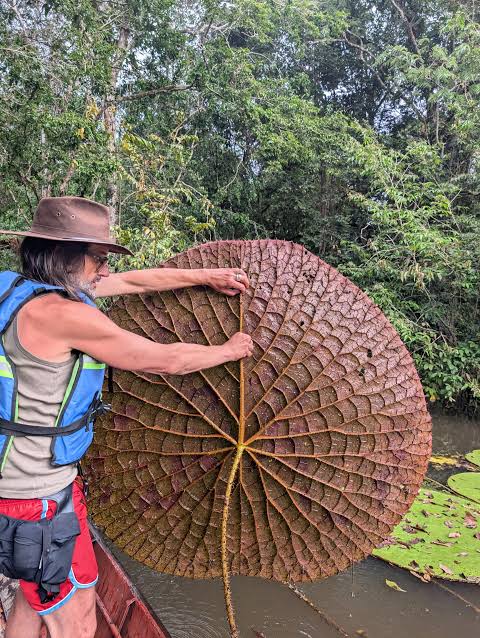
Just before daybreak, they reached a small lake holding five water lilies. One of them was in bloom.
That single flower provided the material needed to begin the formal scientific description of the species. In total, the team recorded seven plants across two lakes, before making it back to the airport just in time for their flight.
A rare and threatened species
“This is one of those extraordinary stories where, with the help of social media and technology, indigenous knowledge and horticultural expertise came together for a truly remarkable botanical achievement. It also reminds us that nature still holds surprises and wonders for us,” Magdalena said.
The discovery has been published in the journal Phytotaxa.
The team currently estimates that between 30 and 50 plants of Victoria colombiana exist in the wild, suggesting the species is extremely rare and under threat.
With information from EFE