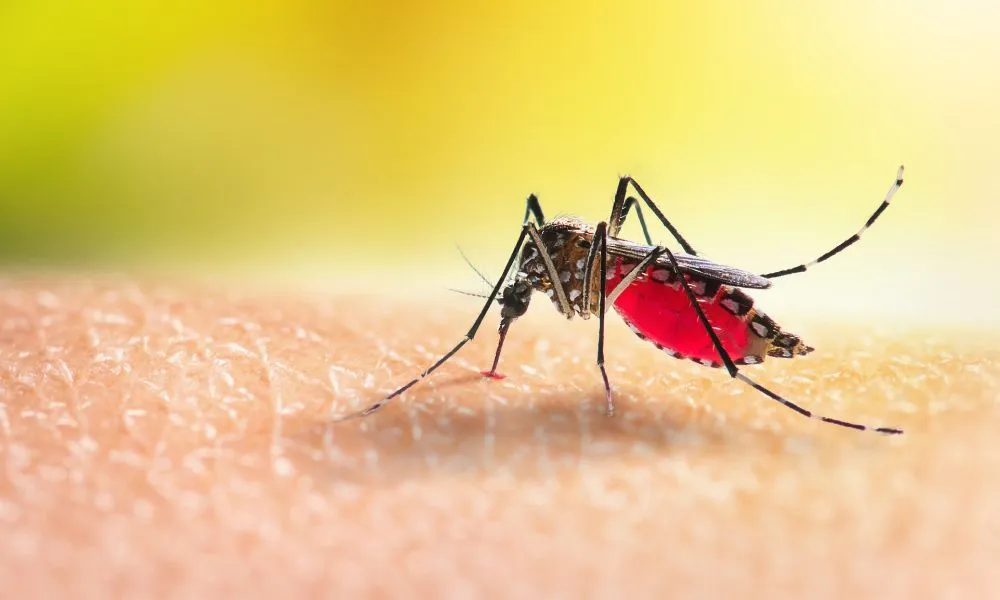
According to the agency’s latest update, the geographical spread of vectors such as mosquitoes, sandflies and ticks is gradually expanding across the continent. These species can transmit diseases that may pose significant risks to human and animal health. Monitoring is carried out through the VectorNet network, which tracks their distribution and helps assess emerging public health threats.
Key developments in Europe
The ECDC highlights two particularly significant developments. The first concerns Luxembourg, where the mosquito species Aedes aegypti – a known carrier of dengue fever – has been recorded for the first time.
The second development αφορά Greece, where updated maps show a further spread of the mosquito species Culex tritaeniorhynchus. This species is under close surveillance as a potential vector of Japanese encephalitis.
The mosquito species in Greece
Culex tritaeniorhynchus is considered the primary global vector of Japanese encephalitis. It is typically found in parts of northern and south‑east Asia, but its presence has also been recorded in regions of Africa. Its detection in Europe raises concerns about possible changes in distribution patterns.
The species thrives in both rural and urban environments. It is commonly found in low‑lying areas with vegetation, wetlands, lakes and irrigation systems, as well as in places with stagnant water such as tanks and containers in residential areas.
Symptoms and risks of infection
Japanese encephalitis can range from a mild infection to a severe neurological disease. In many cases, symptoms are mild and the illness resolves without complications.
However, when the virus affects the central nervous system, it can lead to serious outcomes. Early symptoms may include high fever, severe headache and neck stiffness, while confusion and disorientation are also common.
In more severe cases, patients may experience seizures, paralysis or even coma. The disease can result in long‑term neurological damage.
Public health implications
The ECDC’s findings underscore the need for continued surveillance and preparedness, as the spread of disease‑carrying insects reflects broader environmental and climatic changes.
For individuals, the data serve as a reminder that even familiar seasonal nuisances such as mosquitoes can carry wider health implications, particularly as new species establish themselves in previously unaffected regions.
Source: lifo.gr