

Europe's healthcare staffing crisis is no longer a warning about the future. It is a present reality, straining health systems, lengthening waiting lists, exhausting professionals and eroding the quality of patient care. That is the central finding of a new European Parliament report on the EU health workforce crisis, for which Cypriot MEP Loucas Fourlas serves as rapporteur.
The report's ambition goes beyond documenting how many doctors and nurses are missing. It sets out a framework of measures designed to push member states to plan, invest and, above all, retain their healthcare professionals. According to figures included in the report, Europe could face a shortage of nearly 1.2 million doctors, nurses and midwives by 2030. Healthcare already ranks among the three sectors with the most acute staffing shortages across the EU. The demographic pressure compounds the problem: 30% of doctors and 18% of nurses and midwives are over the age of 55, meaning the strain on the system is expected to intensify in the years ahead.
A European strategy
The report's central recommendation is the adoption of a comprehensive European health workforce strategy for 2028-2034, with a target of adding at least one million healthcare professionals across the bloc by 2034. The strategy would go beyond hiring: it calls for improved data collection, monitoring of shortages by profession and region, and workforce planning that accounts for retirements, training needs and cross-border movement of staff.
Safe staffing
Particular weight is given to the question of safe staffing levels. The report calls for common EU principles establishing minimum, evidence-based staffing standards, including concrete ratios of nurses and doctors to patients. This is among the report's most substantive points, linking staff shortages directly to patient safety. Chronic understaffing, the report notes, can lead to shorter consultations, delayed diagnoses, longer waiting lists, reduced continuity of care and a higher risk of medical error. The report therefore recommends minimum staffing thresholds and adequate consultation time, so that healthcare professionals can properly assess patients.
The report's key recommendations are:
A European health workforce strategy for 2028-2034. A target of at least one million additional healthcare professionals by 2034. Common principles for safe staffing levels and staff-to-patient ratios. Limits on exhausting shift patterns and stronger enforcement of the Working Time Directive. Protection of healthcare workers' mental health and action on burnout. Incentives for working in remote, rural, island and understaffed areas. Expanded education, scholarships and mobility through dedicated European programmes. Use of European funding instruments, including EU4Health, ESF+, Erasmus+, Horizon Europe and the Cohesion Funds.
Salaries, conditions and brain drain
The report is clear that shortages cannot be addressed through recruitment alone. Better working conditions, fair pay, predictable hours and recognition of the physical and psychological demands of healthcare work are equally essential. Low salaries, gruelling shift patterns and limited career prospects are pushing professionals either out of the field entirely or towards countries with better remuneration. Brain drain emerges as one of the most damaging distortions of the current system, with countries that already face serious shortages losing staff to better-resourced health systems. The report proposes a range of financial and non-financial incentives in response: housing support, scholarships, tax benefits, return programmes for healthcare professionals who have emigrated, and targeted investment in so-called "medical deserts," areas where access to healthcare is severely limited.
Mental health and technology
A significant section of the report is devoted to the mental health of healthcare workers. Burnout is framed not as a personal failing but as a systemic risk to the quality of care. The report calls for resilience programmes, psychological support, improved work organisation and mechanisms to prevent violence and harassment in healthcare settings. On technology, the report sees digital health tools and artificial intelligence as means of reducing the burden on staff, primarily by cutting bureaucracy, improving diagnostic support and streamlining service organisation. It is explicit, however, that technology must support rather than replace the human element of care.
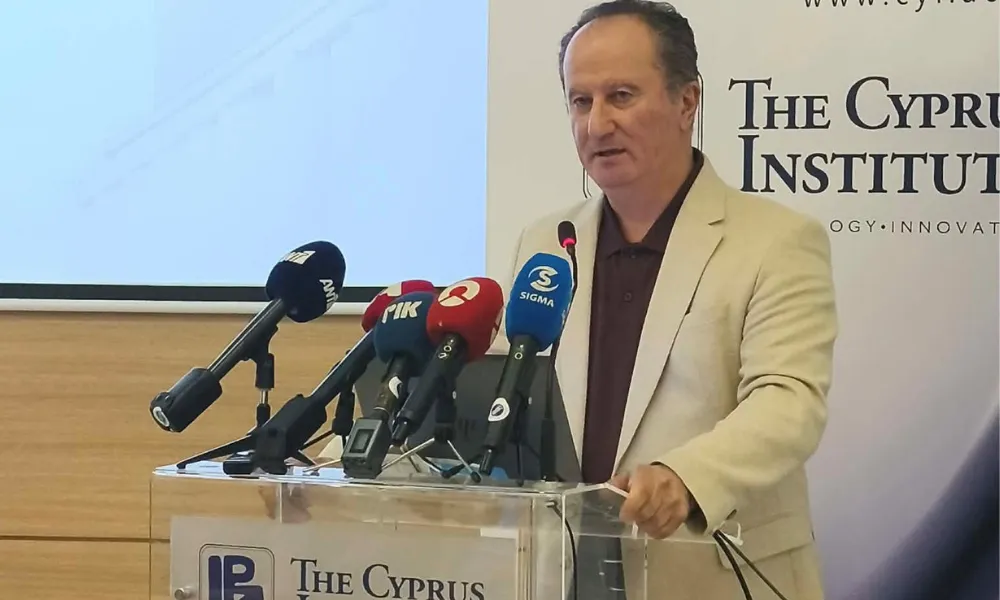
Presenting the report, Fourlas set out the political case plainly. "Health is a public good," he said, adding that protecting patients first requires protecting those who care for them. "We cannot talk about strong health systems when the people who serve them are burning out, leaving the profession or being forced to leave their country."