
A 35-year-old patient from Cyprus was treated at a private hospital in Athens after previously undergoing a series of plasma exchange sessions at a clinic in Kolonaki that has been at the centre of an investigation in recent days.
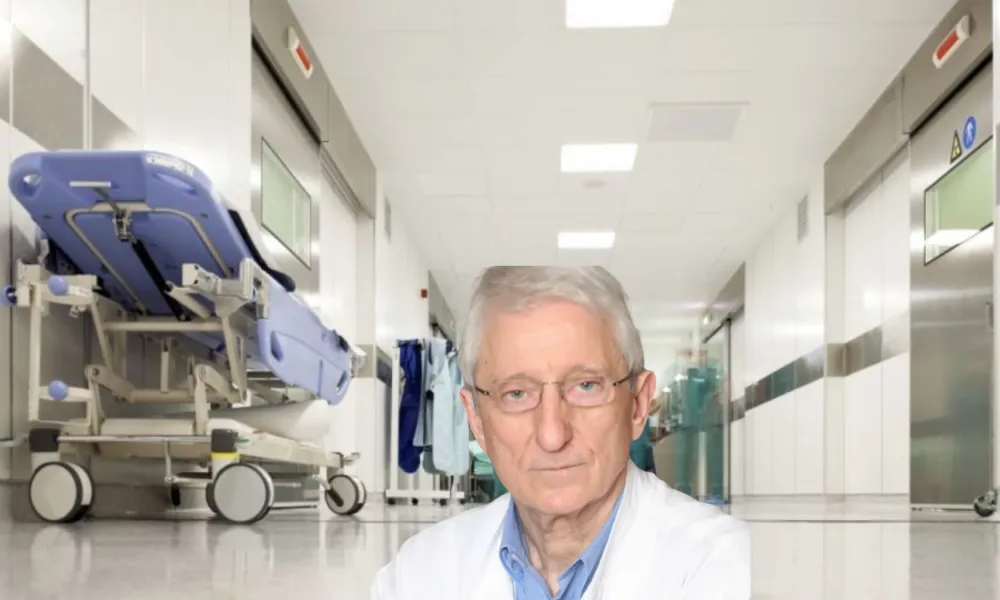
The case was revealed by nephrologist Christos Iatrou, who told Greek broadcaster ERT that he first became aware of the clinic about a year ago, when he was asked to examine the woman during her hospitalisation at the Hygeia Hospital in Athens.
According to Iatrou, the director of the hospital’s internal medicine department asked him to assess the 35-year-old patient, who had travelled from Cyprus after undergoing multiple plasma exchange sessions.
Iatrou told ERT that the patient’s father had said that “tens of thousands of euros” had been paid for the sessions.
Medical association carried out inspection
The nephrologist said the case was reported to the relevant medical association, which subsequently carried out an inspection of the clinic.
However, according to Iatrou, no equipment related to plasma exchange was found at the premises during the inspection.
He also addressed the use of plasma exchange for anti-ageing and longevity purposes, stressing that there is currently insufficient scientific evidence to demonstrate that the procedure provides such benefits.
Plasma exchange used for specific medical conditions
Iatrou explained that therapeutic plasma exchange is used to treat specific medical conditions and involves removing a patient’s plasma and replacing it with donor plasma or an appropriate replacement fluid.
There are specific scientific guidelines defining the circumstances in which the treatment may benefit a patient, he said.
He also stressed the importance of the setting in which the procedure is performed.
According to Iatrou, plasma exchange in Greece is carried out in hospitals or large private medical facilities equipped with the appropriate machinery, an organised medical team and the necessary medical supervision.
The nephrologist said a clear regulatory framework is needed for such practices, arguing that it is not sufficient for a piece of equipment simply to be approved for use.
The procedure should be carried out in an appropriate setting, by trained personnel and under the necessary medical supervision, he said.