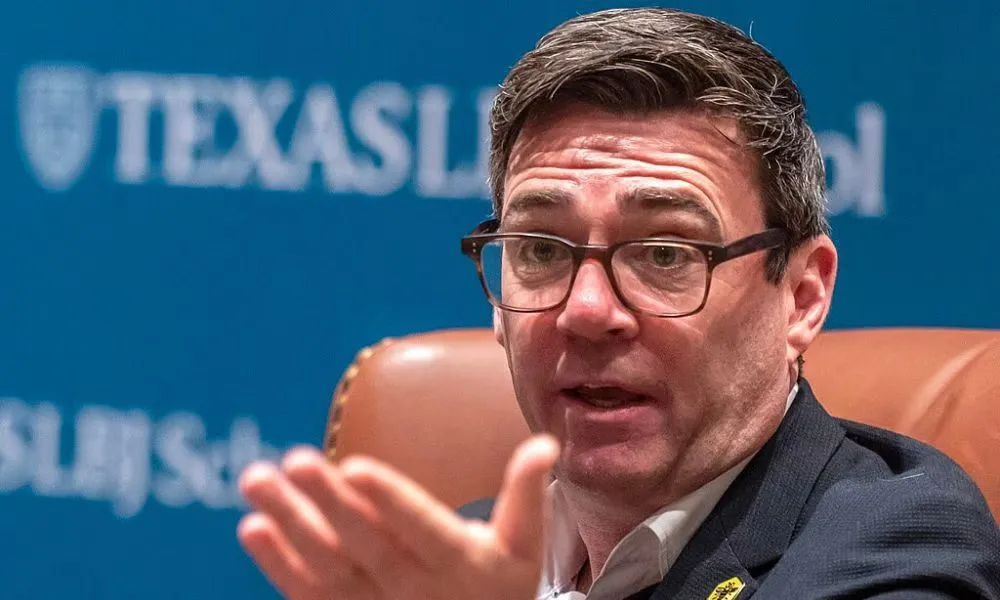

Andy Burnham, the Greater Manchester mayor, has won a parliamentary seat in a by-election in northwest England, clearing the formal obstacle that stood between him and a bid to replace Prime Minister Keir Starmer as Labour leader.
Burnham, widely known as the "King of the North," won the Makerfield constituency with 54.8% of the vote on Friday, beating the candidate for Nigel Farage's populist Reform UK party, which came second with 34.5%. The scale of the victory, which analysts described as potentially the most consequential by-election result in more than six decades, immediately strengthened pressure on Starmer to step aside.
In his victory speech, Burnham said the result could be a "turning point" and urged Labour to act on what voters had said. "There will be no second chance," he warned. He framed his campaign as a challenge to polarising populist politics, saying his win was an opportunity to turn "away from the path that takes us to a divided, dark politics of the kind we see in the United States."
Starmer, 63, congratulated Burnham on social media, saying voters had "chosen Labour's campaign of hope and optimism over division and hate." He had insisted earlier this week that he would stand in any leadership contest and warned his party of the risks of a potentially divisive campaign. But several Labour lawmakers said the margin of Burnham's win would force the prime minister to reconsider.
Two years after Labour's landslide national election victory, Starmer is one of the least popular British prime ministers since polling records began. Scandals, policy reversals and accusations of indecision have undermined delivery of the change he had promised. About a quarter of Labour lawmakers have urged him to quit since the party suffered heavy losses in local elections last month, and senior cabinet ministers including the defence and health secretaries have resigned over his leadership.
Burnham, a 56-year-old career politician who has championed the nationalisation of key public services and criticised four decades of what he calls failed neo-liberal economics, has confirmed he would stand in any contest to succeed Starmer. Polls suggest he would win a leadership vote decided by party members, though some Labour lawmakers hope a contest can be avoided.
Were he to become prime minister, Britain would have its seventh leader in just over a decade, the highest turnover in nearly two centuries, reflecting sustained public anger over living standards, public services and illegal immigration.
Former health minister Wes Streeting, another rival to Starmer, said this week he would move to trigger a contest unless the prime minister set a date for his departure, and said Burnham's result showed the party needed to change direction. Under Labour's rules, 20% of the parliamentary party, or 81 lawmakers, must declare their backing for a single candidate to trigger a leadership challenge.
During a month-long campaign in Makerfield, Burnham largely positioned himself as a prime minister in waiting, setting out policies for a future government while attempting to reassure markets that he would respect strict fiscal rules. He has been on the defensive over remarks made last year in which he said Britain was "in hock" to the bond markets, comments that unsettled investors. He has since said those remarks were misrepresented.
Culture minister Lisa Nandy, a prominent Burnham ally, said she expected both men to speak soon, and declined to rule out further cabinet resignations, saying she could not speak for her colleagues.
Source: Reuters